
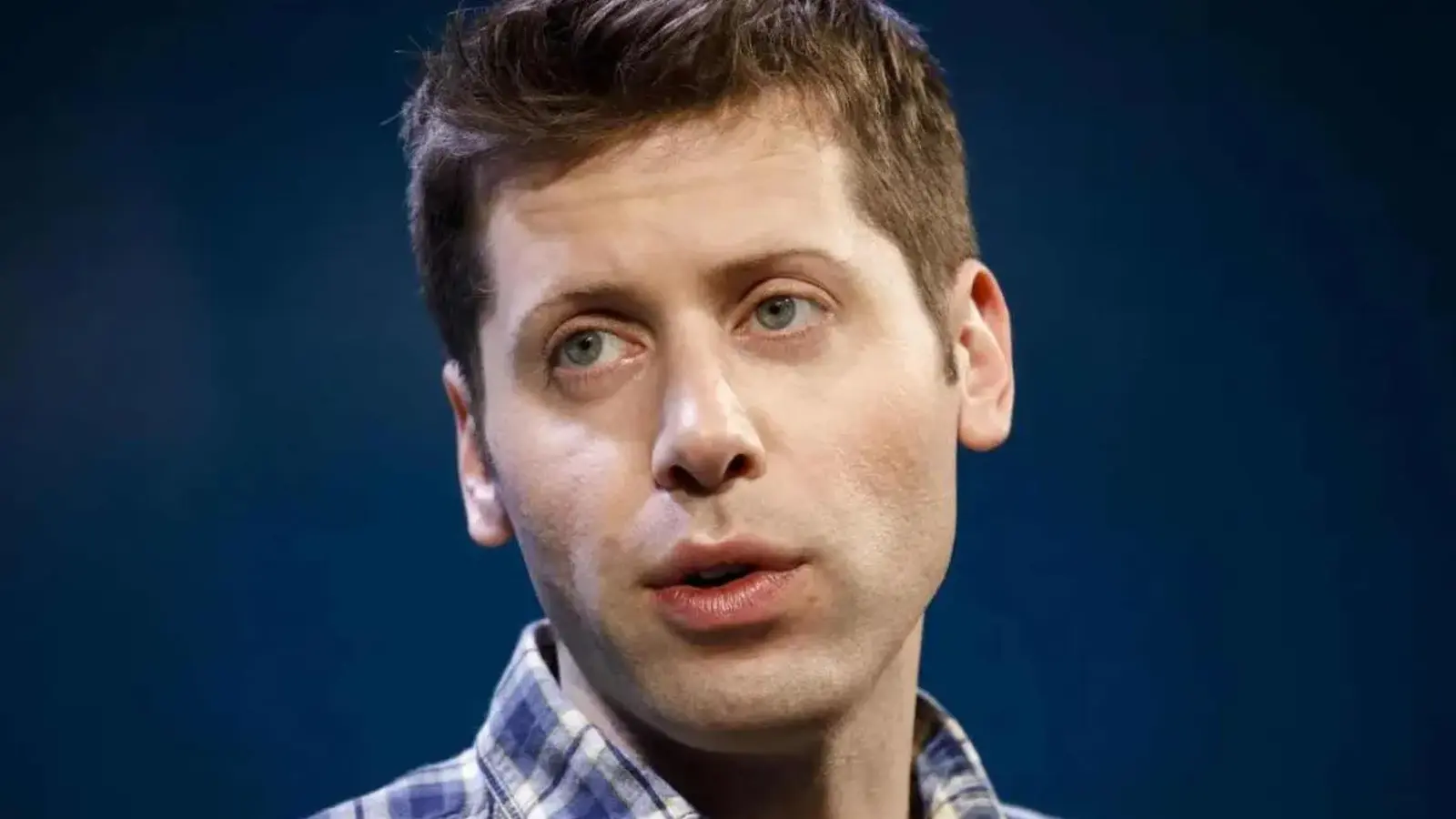
OpenAI is recruiting a senior leader to confront the worst-case scenarios of advanced artificial intelligence. The new Head of Preparedness will be charged with anticipating catastrophic AI outcomes — from cyber weapons to threats against mental health — and building the company’s response playbook.
Inside the role and why it matters
Sam Altman, OpenAI’s CEO, signaled the hire on X, saying the rapid advance of AI models has created “real challenges” that demand a dedicated, high-pressure role. The job posting spells out responsibilities: tracking emerging capabilities, modeling new threats, and implementing risk-reduction measures across the organization.
The selected candidate will lead capability assessments and develop what OpenAI calls a preparedness framework. That includes hard-to-ignore areas such as misuse of AI for cyberattacks, biological-risk scenarios tied to model outputs, and broader social harms like misinformation and the erosion of mental well-being.
Altman has been blunt: this is a stressful position. It requires someone who can think in worst-case terms — the kind of person who maps out unlikely but catastrophic scenarios and then builds concrete plans to prevent them. In short, the job is as much about sober imagination as it is about operational muscle.

Concerns about AI-driven harms are no longer hypothetical. Incidents where chatbots amplified suicidal ideation or propagated conspiracy theories have raised alarm bells, and critics argue that safety moves like this could have come sooner. Still, the role suggests OpenAI is aiming to centralize its defensive strategy and to take a more proactive stance on emerging threats.
What to watch next
Expect the new Head of Preparedness to coordinate across research, policy, and engineering teams — and to work with outside experts when needed. They will likely produce new safety protocols, threat models, and mitigation roadmaps that other AI firms and regulators will watch closely.
Whether one senior hire can change the trajectory of an entire industry is uncertain. But installing a dedicated leader for preparedness signals a shift: companies are starting to treat AI risk management as a specialized discipline, not just a box to check.

“I love exploring gadgets, apps, and trends that redefine how we connect, work, and play in a digital world.”

Discussion
Leave a Comment
Comments
No comments yet. Be the first.