
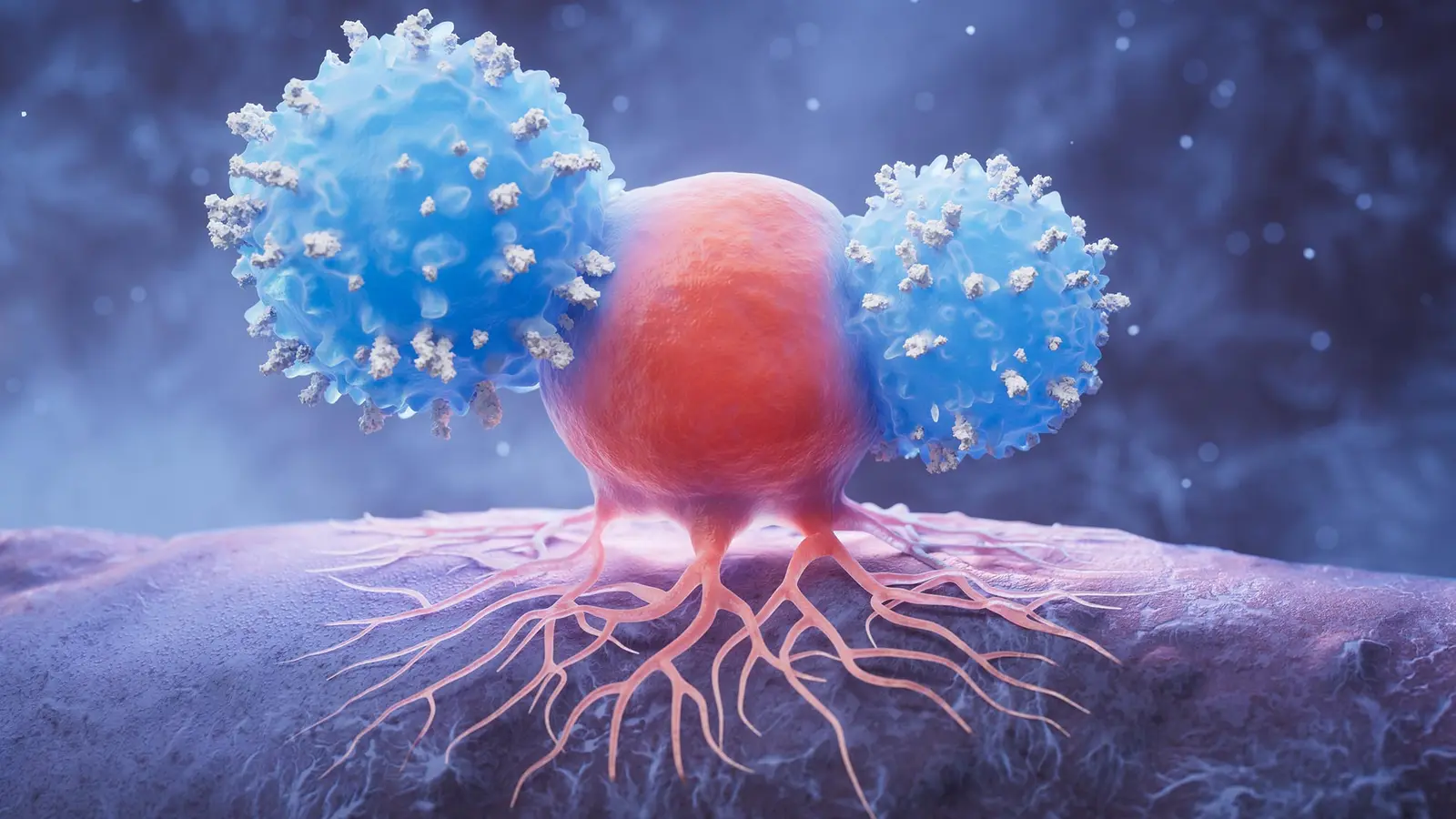
Researchers at Northwestern Medicine have identified a stealth mechanism that helps pancreatic tumors evade immune attack and created an antibody that can reverse that camouflage in mice. The discovery exposes how a sugar signal — normally used by healthy cells — is repurposed by cancer to silence immune cells, and it points to a new route for therapies against one of the deadliest cancers.
How pancreatic tumors hide from the immune system
Pancreatic cancer is notoriously resistant to treatment. Often diagnosed late and with a five‑year survival rate near 13%, it also responds poorly to modern immunotherapies that work against other tumor types. Scientists have long suspected that the tumor microenvironment actively suppresses immune activity, but the precise molecular tricks tumors use remained elusive.
The Northwestern team discovered that pancreatic tumor cells exploit a natural cellular tag — a sugar molecule called sialic acid — which healthy cells display on their surface to signal “don’t harm me” to the immune system. Tumors attach sialic acid to a particular surface protein, integrin α3β1. That sugar‑coated integrin then engages a receptor on immune cells known as Siglec‑10. The Siglec‑10 interaction transmits an inhibitory signal, effectively telling immune cells to back off.
In other words, the cancer dresses itself in a molecular disguise. By mimicking normal cells’ sugar coating, the tumor converts what should be a protective cue into a shield that blunts immune surveillance and effector functions.

Study authors Abdel‑Mohsen and Pratima Saini in Abdel‑Mohsen’s lab at Northwestern University Feinberg School of Medicine in Chicago.
Designing an antibody to break the sugar shield
Once the group traced immune suppression to the sialic acid–integrin α3β1–Siglec‑10 axis, they engineered monoclonal antibodies to interrupt that interaction. Creating such antibodies required extensive screening: thousands of hybridomas were evaluated before identifying candidates that reliably blocked the tumor’s sugar‑based camouflage without apparent off‑target effects in the laboratory.
In mouse models of pancreatic cancer, treatment with the blocking antibody reawakened immune responses. Immune cells began recognizing and consuming tumor cells, and treated animals showed markedly slower tumor growth compared with untreated controls. Those preclinical results demonstrate proof of concept: interfere with the sugar‑Siglec signal and you can reverse local immune suppression.

Study senior author Mohamed Abdel‑Mohsen in his lab at Northwestern University Feinberg School of Medicine in Chicago.
Scientific context and relevance
Glyco‑immunology — the study of how carbohydrates modulate immune function — is an emerging field. Sialic acids are just one class of glycans that influence cell–cell communication and immune recognition. The Northwestern findings add a concrete example of how a glycan modification on a specific integrin can convert an immunostimulatory environment into an immunosuppressive one.
Understanding the molecular details matters for therapy design. Checkpoint inhibitors that target PD‑1/PD‑L1 work by lifting brakes on T cells, but they may not address alternative suppression routes such as Siglec‑mediated inhibition. The new antibody targets a different type of immune brake — a sugar‑recognition pathway — and that makes it a candidate for combination therapy with existing immunotherapies and chemotherapy.
“It took our team about six years to uncover this novel mechanism, develop the right antibodies and test them,” said Mohamed Abdel‑Mohsen, associate professor of medicine in the division of infectious diseases at Northwestern University Feinberg School of Medicine. “Seeing it work was a major breakthrough.”

Study authors Abdel‑Mohsen and Pratima Saini in Abdel‑Mohsen’s lab at Northwestern University Feinberg School of Medicine in Chicago.
From bench to bedside: next steps and timelines
Following these successful preclinical experiments, the research team is optimizing the antibody for human safety and dosing studies. They are also testing combinations that pair the sugar‑blocking antibody with chemotherapies and with current immunotherapies to determine whether combined regimens can produce deeper and longer‑lasting remissions than single agents alone.
Another practical element is patient selection. The team is developing a companion diagnostic to detect tumors that depend on the sialic acid–Siglec‑10 pathway, so clinicians can identify which patients are most likely to benefit. Abdel‑Mohsen estimates that, if development and early clinical testing proceed smoothly, a human therapy could be ready for wider clinical trials in roughly five years.
Beyond pancreatic cancer, the researchers are exploring whether the same sugar‑coating strategy operates in other hard‑to‑treat tumors such as glioblastoma, and even in non‑malignant disorders where immune suppression is a feature. The implication is broad: targeting glycan‑mediated immune checkpoints may expand the immunotherapy toolkit.
Expert Insight
Dr. Elena Morales, an immunologist who studies tumor microenvironments, commented: “This paper highlights an underappreciated layer of immune regulation. Glycan‑mediated signals can be as influential as protein checkpoints. Translating this into a safe, effective human antibody will be challenging, but the approach is promising because it attacks an orthogonal mechanism of immune evasion.”
She added, “A companion diagnostic is essential — not every tumor will rely on this sugar‑Siglec axis. If the right patients are selected and combination strategies are well designed, this could be an important advance for cancers that have been largely refractory to modern immunotherapy.”
Implications and outlook
The Northwestern study presents a clear mechanistic insight and a therapeutic strategy that complements existing approaches. By revealing how sialic acid decoration of integrin α3β1 engages Siglec‑10 to mute immune responses, and by demonstrating that antibodies can block this signal in vivo, the work opens a new front in the fight against immunotherapy‑resistant cancers.
Key keywords for ongoing research and clinical translation include pancreatic cancer, sialic acid, Siglec‑10, monoclonal antibody, immunotherapy, and glyco‑immunology. The path ahead will require careful safety testing, rational combination trials, and validated biomarkers to match patients with the therapy most likely to help them.
Conclusion
Targeting the sugar coat that hides pancreatic tumors offers a fresh strategy to stimulate anti‑tumor immunity. While clinical availability is still years away, the preclinical success provides a compelling rationale for advancing the antibody toward human trials, with the potential to broaden treatment options for patients with otherwise intractable cancers.

“The cosmos has always fascinated me. I write about space missions, astronomy, and the technologies pushing humanity beyond Earth.”

Discussion
Leave a Comment