
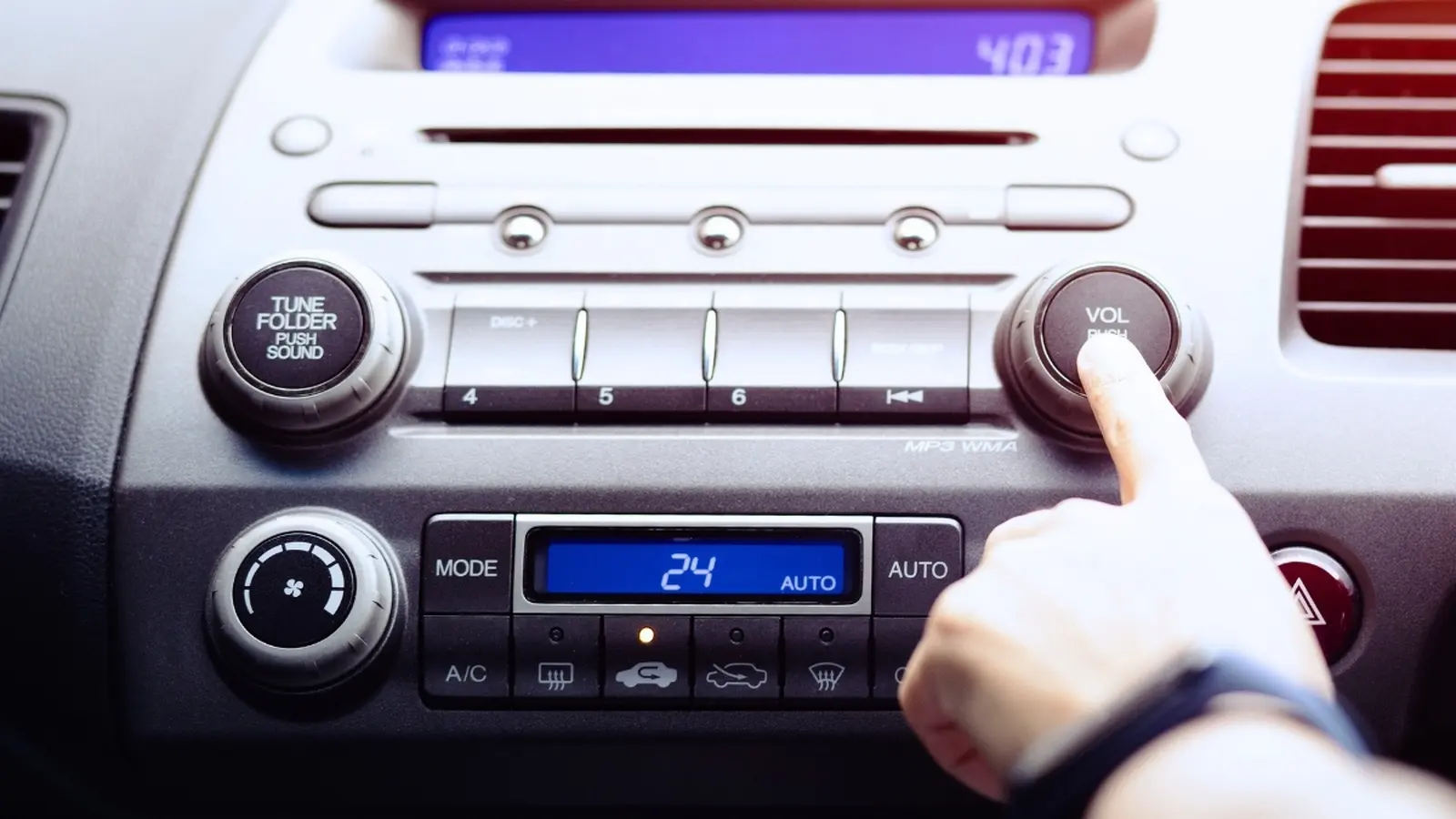
Many drivers treat music as part of the driving ritual — a mood regulator, an energy booster or simply background company on long trips. But decades of research show the relationship between music and driving is complex: playlists can sharpen some aspects of driving while degrading others, and effects vary by volume, tempo, familiarity and driver experience. Understanding those trade-offs helps drivers make safer choices behind the wheel.
How researchers study driving and music
Scientists usually test the impact of music on driving using controlled driving simulators. These rigs present realistic road scenarios while researchers change only a single variable — the audio environment — so that outcomes such as speed, lane-keeping, braking, following distance and simulated collisions can be measured precisely. Physiological metrics like heart rate and skin conductance are often recorded too, giving insight into arousal and mental workload.
Because small laboratory studies sometimes report conflicting results, researchers aggregate evidence in meta-analyses to reveal consistent patterns across many experiments. Those pooled analyses are where clear trends emerge: music tends to alter driving behaviour in measurable ways, but it rarely acts uniformly across all drivers or contexts.

What the science tells us about music's effects on driving
Across multiple studies and meta-analyses, drivers listening to music tend to show higher rates of simulated collisions, less precise speed control and more variable following distances compared with silent driving. Measures such as lane position, signalling behaviour and raw reaction time are less consistently affected — they can be resilient to audio distraction in some experiments and sensitive in others.
Physiologically, music frequently raises heart rate and increases heart-rate variability, markers that reflect higher arousal. It also raises subjective and objective measures of mental workload, meaning the brain is juggling more demands while trying to manage the driving task. That additional cognitive load can reduce capacity for hazard detection and decision-making, especially when road conditions require rapid adjustments.
Music can also be beneficial — for a limited time. On long, monotonous highway stretches, a lively or familiar tune can briefly boost alertness and reduce drowsiness, but the effect commonly fades after roughly 15–25 minutes. In other words, music can make you feel more awake, while still occupying mental resources that might otherwise be devoted entirely to driving.
Volume, tempo and familiarity
Volume matters, although not always dramatically. Low-volume music typically nudges drivers to reduce speed slightly, while medium-to-high volumes correlate with modest increases in speed. Tempo has a more nuanced influence: meta-analyses have not found a simple, universal link between faster tempo and worse performance for average drivers. Yet individual studies show that very high-arousal, aggressive tracks can push some drivers toward riskier behaviour and more errors.
One robust finding is that personally chosen, familiar music usually interferes less with driving than imposed or disliked music. Drivers pick tracks to regulate mood and maintain attention; those preferences can stabilise driving performance. By contrast, researcher-selected or unfamiliar music often increases collisions and violations in studies, likely because the listener's attention is drawn toward processing the music or because the emotional response conflicts with driving goals.

Novice drivers are more affected
Experience buffers many of music's costs. Several experiments show inexperienced drivers — typically teens and young adults — are more vulnerable to audio-induced distraction. For example, when upbeat or aggressive music is playing, novice drivers are likelier to speed, drift lanes or miss road signs. Fast-tempo music tends to increase mental load for novices, reducing hazard detection speed and accuracy. Slow, calm music can sometimes aid new drivers by lowering arousal without impairing attention.
These patterns suggest differential recommendations: while an experienced commuter might safely enjoy preferred music at moderate volumes, a learner or newly licensed driver should reduce volume or switch to calmer tracks, particularly in demanding driving conditions like heavy traffic, bad weather, or unfamiliar roads.
Implications for road safety and in-car technology
Understanding how music affects driving has practical implications for road-safety policy and automotive design. In-car infotainment systems could incorporate adaptive audio that senses driving demand — for instance, lowering volume or suggesting calmer playlists when the vehicle detects high cognitive load through driver-monitoring cameras or connected sensors. Navigation prompts and advanced driver-assistance systems (ADAS) could also coordinate with audio playback to prevent critical information from being masked by music.
Further research is exploring how individual differences (personality, baseline arousal, listening habits) and situational factors (time of day, trip length, traffic complexity) moderate effects. Better models will help designers tailor audio recommendations, and policy-makers could consider targeted guidance for novice drivers about music use.
Expert Insight
'The relationship between auditory stimulation and driving performance is not one-size-fits-all,' says Dr. Laura Chen, a cognitive neuroscientist specialising in attention and transport safety. 'Music influences arousal and working memory capacity; for experienced drivers familiar with a route, that extra stimulation can be manageable. For novices or in high-demand situations, however, it creates a competing cognitive load that increases risk. Practical systems that adapt audio to driving context could reduce that mismatch.'
Adaptive solutions are already feasible: modern vehicles have the sensors and connectivity to detect driver state and road demands. Integrating those data with smart audio management could reduce distraction while preserving the benefits of music for comfort and alertness.
Conclusion
Music is a mixed ally on the road. Familiar, calm playlists at moderate volume are the least likely to interfere with safe driving and can help keep drivers alert on routine trips. Loud, unfamiliar or aggressive music — and especially high-tempo tracks for novice drivers — are the greatest hazards, increasing speed, errors and mental workload. A sensible rule: match your audio choice to your experience level and the driving context, and consider turning the music down or off in demanding situations.

“My work centers on sustainability, energy, and environmental science — examining how innovation can lead to a greener future.”

Discussion
Leave a Comment