
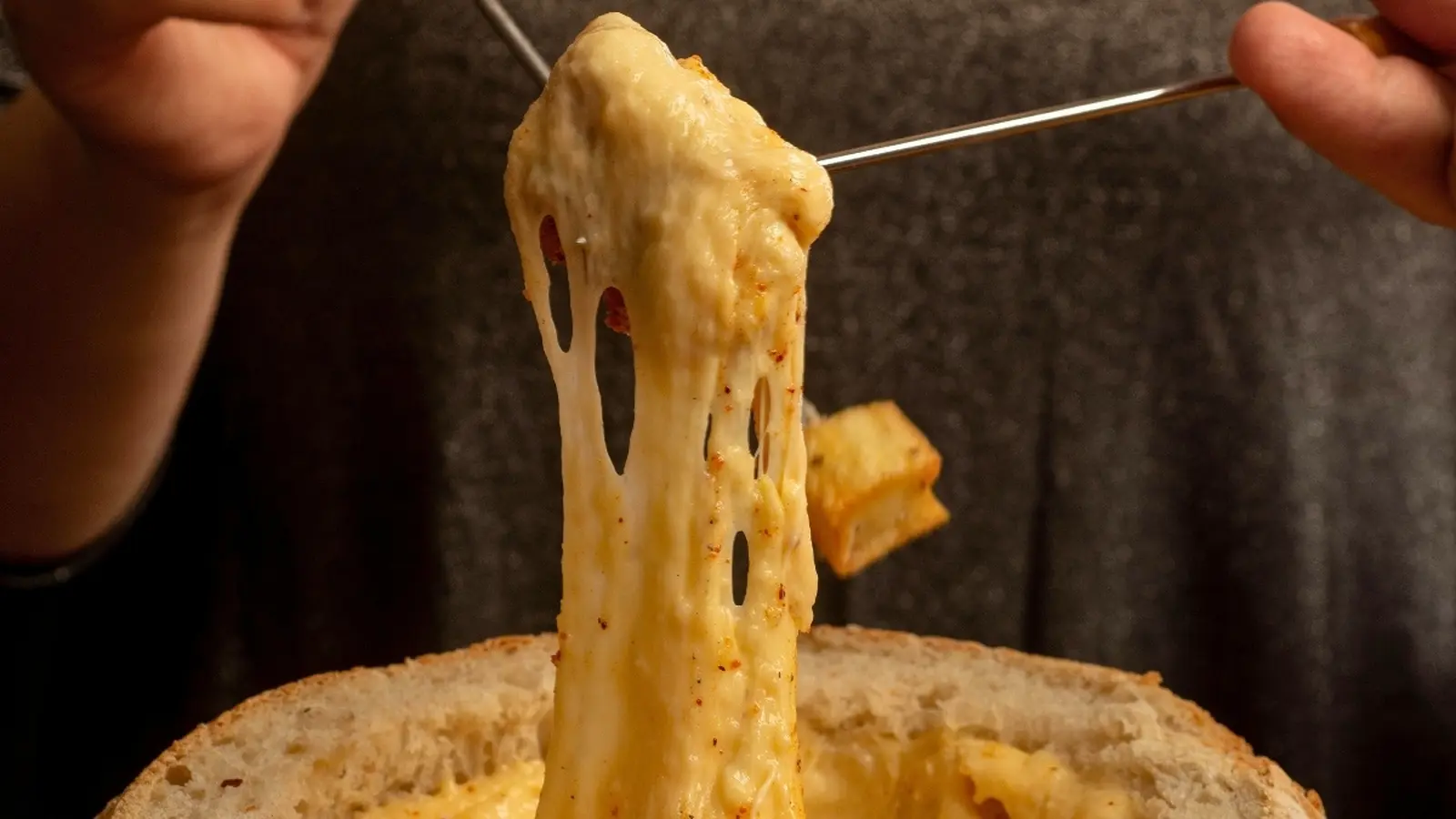
A large long-term Swedish study has renewed interest in an old debate: can full-fat dairy—particularly cheese and cream—affect the risk of dementia? The headline findings suggest modest protective associations for certain full-fat dairy products, but the results come with important caveats about genetics, diet patterns and study design.
What the Swedish study found
Researchers followed 27,670 middle-aged and older adults for roughly 25 years. During that period 3,208 participants developed dementia. When investigators compared reported intakes of dairy products to later dementia diagnoses, two patterns stood out: eating more than about 50 grams of full‑fat cheese per day was associated with a 13%–17% lower risk of Alzheimer’s disease among people without a known genetic risk. Separately, consuming more than 20 grams of full‑fat cream per day correlated with a 16%–24% lower risk of dementia overall.
But the apparent benefit for cheese did not appear in participants who carried genetic risk variants for Alzheimer’s, and no consistent protective links were seen for low‑fat dairy, milk (fermented or not), or low‑fat cream. In other words, the signal is specific and not uniform across all dairy types.

Interpreting observational results: confounding and substitution
These results are observational, which means they can show patterns but not prove cause and effect. Diet was self‑reported, and memory problems or early cognitive decline can alter eating habits long before a formal diagnosis. To reduce this bias the Swedish team excluded anyone already diagnosed with dementia at baseline and re-ran analyses after removing participants who developed dementia within the first ten years—an approach intended to minimize reverse causation (where early symptoms change behaviour and bias results).
Even with those safeguards, other explanation remain plausible. Higher cheese and cream intake often co‑occurred with healthier lifestyle markers in the study group: greater education, lower obesity rates and fewer vascular conditions such as heart disease, stroke, hypertension and diabetes—each of which independently lowers dementia risk. That raises the possibility that cheese is a marker of a broader healthier lifestyle rather than the protective agent itself.
Substitution matters too. If people replace processed red meat or other less‑healthy choices with cheese, the apparent benefit could reflect reduced harm from those other foods rather than a unique advantage of dairy. The Swedish investigators found little association between full‑fat dairy and dementia among participants whose diets stayed stable over five years—supporting the substitution hypothesis.
How this fits with other studies
Past research on dairy and cognitive health is mixed. Some studies, particularly from parts of Asia where baseline dairy intake is low, report benefits from modest consumption. In Japan, a study funded by a local cheese producer found lower dementia risk among cheese eaters—though sponsorship and very low consumption levels complicate interpretation. Other Japanese studies with public funding reported no effect.

European cohorts show inconsistent results as well. A Finnish study of 2,497 middle‑aged men followed for 22 years reported a 28% lower dementia risk linked with cheese consumption. Large UK data sets have associated weekly cheese intake with modestly reduced risk when combined with other healthy habits such as eating fish and fruit regularly. But heterogeneity in populations, dietary patterns, and measurement methods means results aren’t uniform.
No single food reliably prevents dementia. Dietary patterns matter more than isolated items. Diets like the Mediterranean pattern—rich in vegetables, fish, whole grains, fruit and modest amounts of cheese—are consistently linked to lower risks of both heart disease and cognitive decline.
Biological plausibility: what in cheese might matter?
Full‑fat cheese contains several nutrients relevant to brain health: fat‑soluble vitamins A, D and K2; vitamin B12; folate; iodine; zinc; and selenium. These micronutrients support neurological function, myelin maintenance, and metabolic pathways tied to cognition. Fermentation may also influence gut microbiota, which emerging research links to brain health through the gut–brain axis. Still, having nutrients present does not prove a food prevents disease—intake levels, bioavailability and overall diet context are crucial.
Public health context and current advice
For decades, public guidance in many countries has favored low‑fat dairy to reduce cardiovascular risk. Recent pooled evidence challenges the simplicity of this message, suggesting that full‑fat dairy does not automatically increase heart disease risk and may in some contexts associate with cardiovascular and cognitive benefits. Yet major health organisations continue to emphasise balanced diets and moderation because individual foods rarely act alone.
For people wondering whether to pile on the cheese board: the data do not justify eating large amounts of cheese or cream as a dementia‑prevention strategy. Instead, focus on overall dietary patterns, regular physical activity, blood pressure and diabetes control, and other lifestyle factors that robustly reduce dementia risk.
Expert Insight
Dr. Lena Hoffmann, a fictional nutritional epidemiologist with two decades of research experience, comments: “These long‑term cohort studies are valuable for spotting real‑world patterns, but they can’t isolate one food as a silver bullet. Cheese may appear protective in some groups because it sits within healthier lifestyles or replaces worse options. Clinicians should emphasize whole‑diet strategies—like Mediterranean‑style eating—rather than recommending extra full‑fat dairy for brain health.”
Conclusion
The Swedish study adds nuance to an evolving picture: some full‑fat dairy products—chiefly cheese and cream—showed modest associations with lower dementia risk in certain subgroups, but genetic risk, lifestyle confounders and substitution effects temper any simple interpretation. Rather than elevating a single food, the strongest evidence supports balanced dietary patterns, cardiovascular risk control and healthy lifestyles to reduce dementia risk over time.

“My work centers on sustainability, energy, and environmental science — examining how innovation can lead to a greener future.”

Discussion
Leave a Comment