
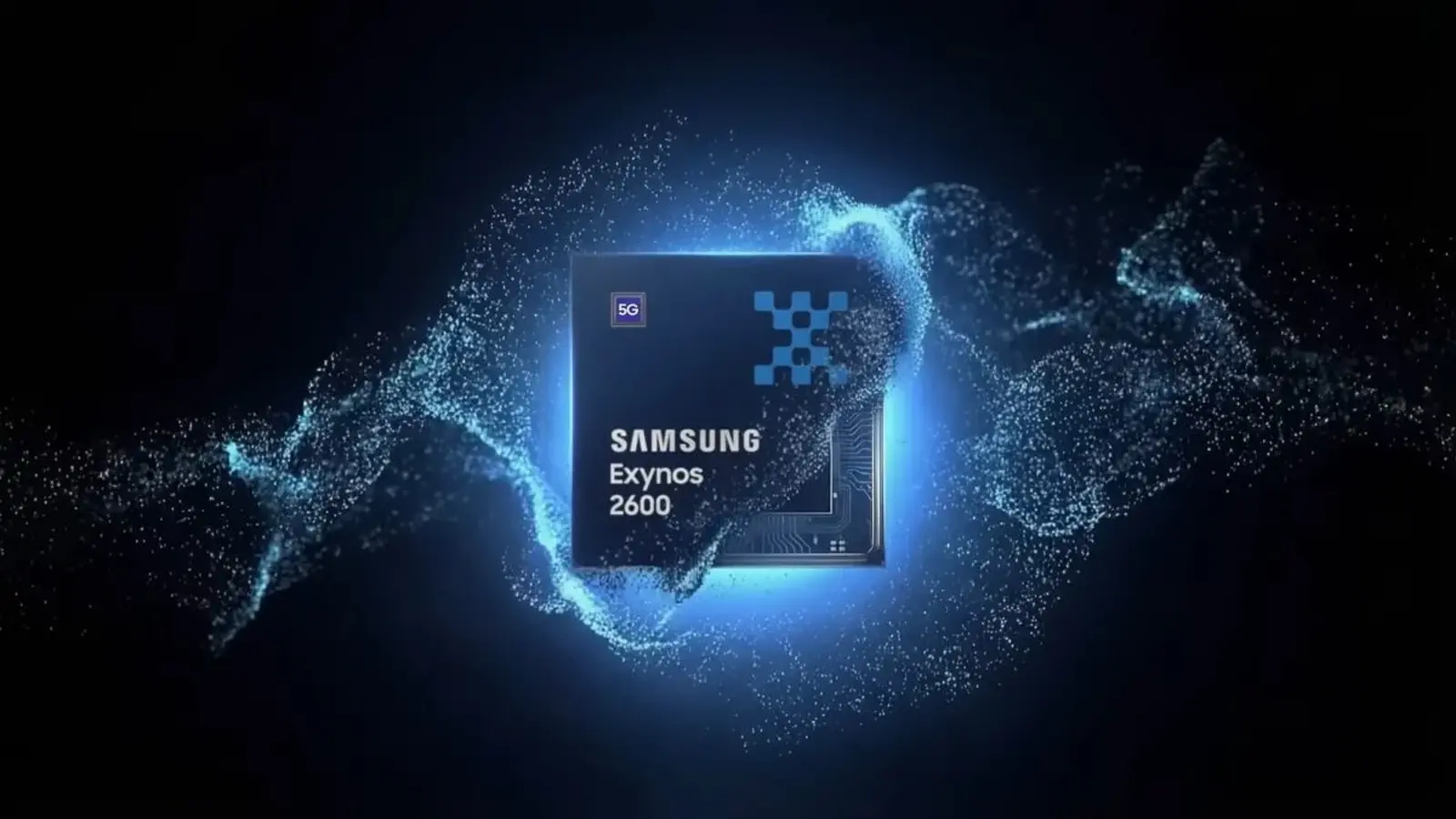
Samsung's next flagship silicon, the Exynos 2600, promises a major leap for on-device AI. Built on a 2nm process and paired with fresh CPU cores and an in-house GPU, the chip also includes a beefed-up NPU — and South Korea's Nota AI helped make that NPU far more efficient at running larger models locally.
Why this matters for mobile AI
Nota AI supplies Netspresso, an optimization platform that can shrink AI models by up to 90% while preserving accuracy. That kind of reduction isn’t just about storage — it lowers memory and compute demands, letting developers and apps run richer generative models directly on a phone without constant cloud access. Think advanced image editing, smarter assistants, and privacy-first features that work offline.
Samsung will also collaborate with Nota AI on the Exynos AI Studio, an optimization toolchain designed to make it easier for developers to tune and deploy models specifically for Exynos hardware. This tight hardware-software integration is the same approach Samsung used when improving AI performance on the Exynos 2500 for the Galaxy Z Flip 7, and it’s now scaling up for a flagship-class chip.

For users, the benefits are simple: faster inference, lower latency, and reduced reliance on network connectivity. For app makers, it means shipping higher-capability features without forcing everything through remote servers. As Nota AI CEO Myungsu Chae put it, the partnership is about combining hardware and software into a single, high-performance framework to bring generative AI to devices at the edge.
Whether you’re curious about next-gen Galaxy S-series performance or tracking how on-device AI will reshape mobile experiences, the Exynos 2600 plus Netspresso looks like a notable step toward more powerful, private, and responsive AI on phones.

“I cover emerging technologies, digital innovation, and the intersection of tech and everyday life. My goal is to make complex trends accessible and inspiring.”

Discussion
Leave a Comment