
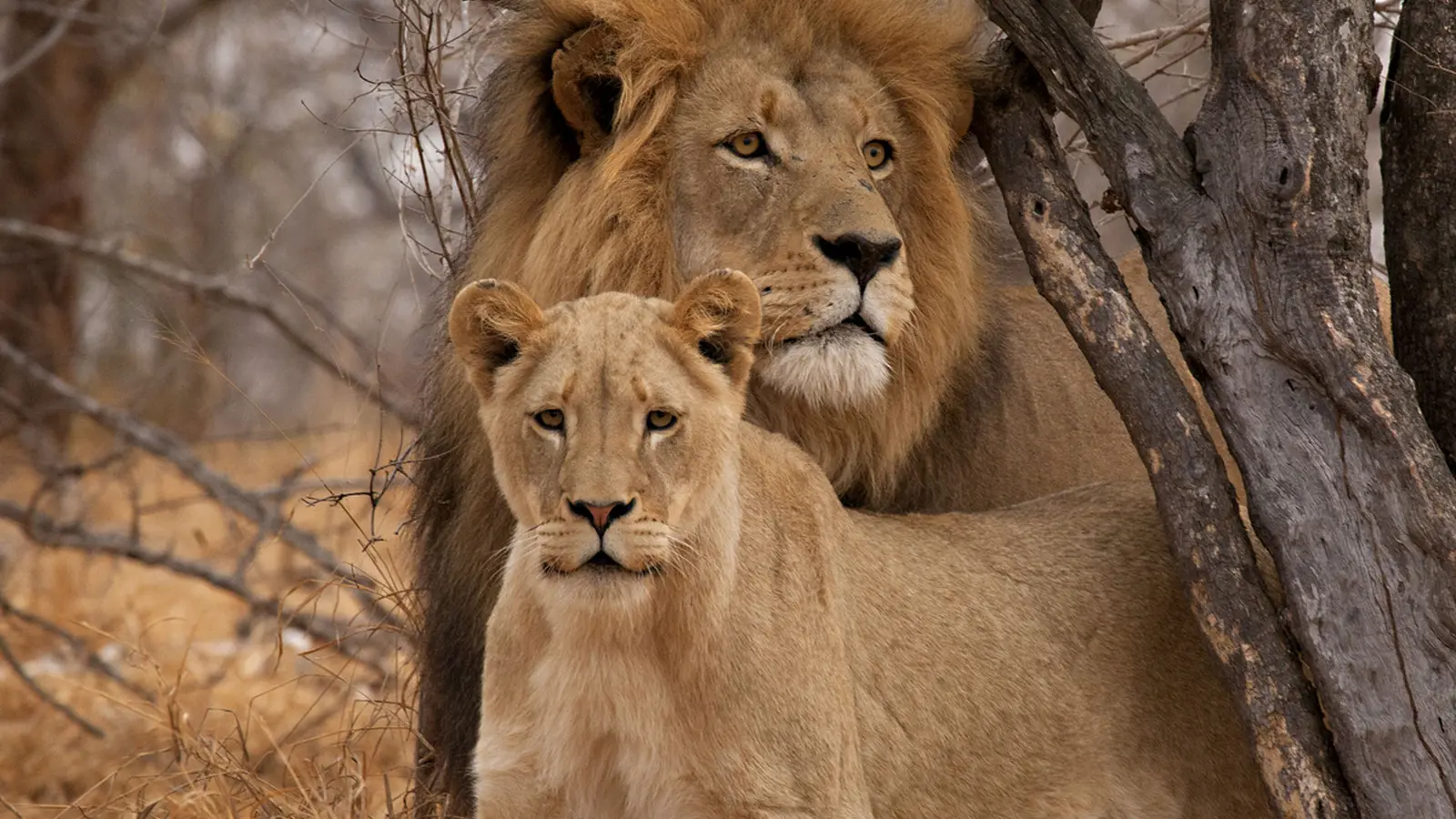
Sex, chromosomes and a global lifespan pattern
Across species and continents, females tend to outlive males — in humans by an average of about 5.4 years. A new comparative study of mammals and birds now links these sex differences in adult life expectancy to fundamental evolutionary and genetic factors, while showing how behaviour and ecology modify those patterns.
Biologists define sex in different ways, but this study used a clear chromosomal definition: in mammals, females typically have two X chromosomes and males have one X and one Y; in birds, the pattern is reversed and females are the heterogametic sex (one Z and one W chromosome). The heterogametic sex hypothesis proposes that the sex with two different sex chromosomes (heterogametic) is more likely to suffer reduced longevity, because having only one copy of a sex chromosome can expose harmful mutations.
Study design and data sources
The international research team led by primatologist Johanna Stärk at the Max Planck Institute for Evolutionary Anthropology examined adult life expectancy records from zoos for 1,176 species of mammals and birds. To validate those results in natural settings, the team cross-checked published wild-population data for 110 of the species.
Using large zoo datasets reduced environmental noise — animals experience controlled diets, veterinary care and minimal predation — allowing the researchers to isolate genetic and behavioural contributors to lifespan differences. The analysis combined demographic statistics, mating system classifications (monogamy vs. polygamy), and sex-specific body-size differences.
Key findings
Among mammals sampled, females lived longer than males in approximately 72% of species, with an average female lifespan advantage of about 12% in zoo populations. In wild populations this female advantage increased: the gap was on average 1.5 times larger, suggesting environmental stress magnifies sex differences in longevity.
Females lived longer than males in the majority of mammal species sampled (red denotes female lifespan advantage; blue denotes male). (Stärk et al., Science Advances, 2025)
By contrast, in birds males outlived females in about 68% of species (average male advantage ~5% in zoos), consistent with birds’ reversed chromosomal system where females are heterogametic. These cross-class contrasts support a role for sex chromosomes in shaping lifespan differences, consistent with the heterogametic sex hypothesis.
However, the pattern was not universal. Some species — notably many birds of prey — showed the opposite trend, with larger and longer-lived females. "Some species showed the opposite of the expected pattern," Stärk noted, underscoring that chromosomal configuration is only part of the story.
Role of mating systems and parental care
The team found clear behavioural modifiers of lifespan. In non-monogamous (polygamous) mammals, male mortality was higher, likely because intense male–male competition, display behaviours and risk-taking impose survival costs. In many birds, widespread monogamy reduces competition among males and is associated with more equal lifespans between sexes. Species where one parent invests heavily in offspring tended to show increased longevity in that caregiving sex; for primates, prolonged maternal care creates selection pressure for longer-lived females because their survival directly affects offspring success.
Implications for evolutionary biology and conservation
The study demonstrates that adult life expectancy emerges from an interaction of genetics (sex chromosomes) and ecology (mating system, parental care, predation). That means predictions of sex-specific vulnerability must consider both intrinsic genetic risk factors and extrinsic ecological pressures. For wildlife conservation, managers should account for sex-specific mortality risks: interventions that reduce male competition or mitigate environmental stressors could alter population dynamics.
While the heterogametic sex hypothesis receives strong support at a broad taxonomic scale, researchers emphasize it cannot fully explain the wide variation in sex-specific lifespan. "Adult life expectancy is likely influenced by a combination of environmental and genetic factors," the authors write, calling for integrative studies that link genomics, behaviour and demography.
Expert Insight
"This study is important because it combines vast demographic datasets with evolutionary theory," said Dr. Maya Patel, evolutionary biologist at the Institute for Comparative Genomics. "It shows that sex chromosomes set a baseline risk, but mating systems and parental investment tune lifespan trajectories in different directions. For researchers and conservationists, that means solutions must be tailored to both genetics and ecology."
Conclusion
The comparative analysis by Stärk and colleagues clarifies why female mammals often outlive males: a mix of chromosomal architecture and behavioural ecology. Heterogamy appears to create a genetic vulnerability that is then amplified or mitigated by mating systems, parental roles, and environmental pressures. Future research integrating genomic data, longitudinal field studies and experimental approaches will be needed to untangle the proximate mechanisms that produce sex-specific aging across taxa.

“The cosmos has always fascinated me. I write about space missions, astronomy, and the technologies pushing humanity beyond Earth.”

Discussion
Leave a Comment