
3 Minutes
Hollywood mourns an icon
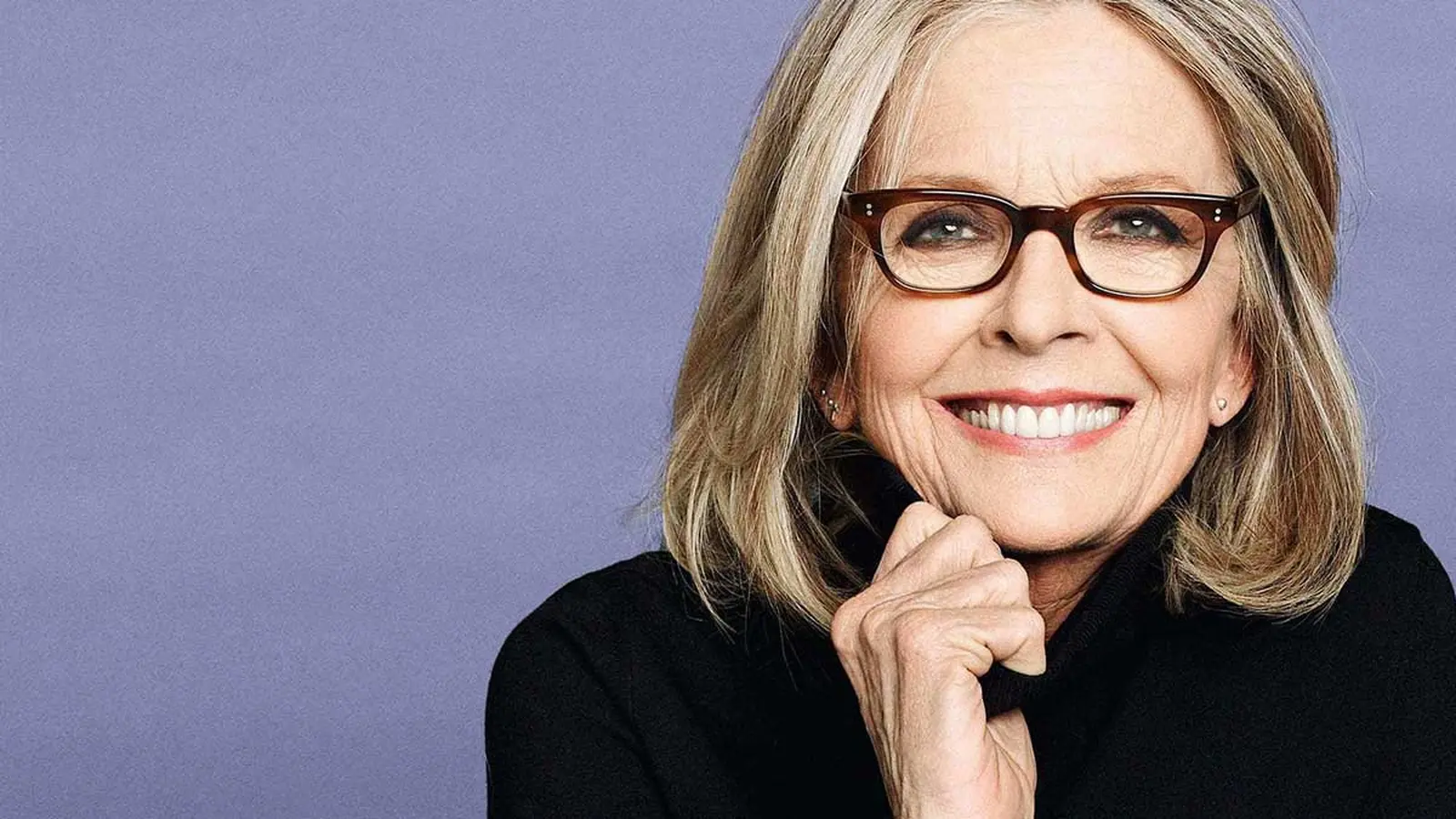
Diane Keaton, the Oscar-winning actress whose career spanned decades and genres, has died at 79, reports DarkHorizons. Keaton passed away in California; authorities and family have not released a cause of death. According to reports she was taken to hospital by ambulance the day before her passing. Fans, colleagues and critics quickly began reflecting on a body of work that helped define modern American cinema.
A career of reinvention
Keaton first became a household name with her layered, idiosyncratic performance in Woody Allen's Annie Hall — a role that earned her the Academy Award for Best Actress and cemented her status as a unique screen presence. Her collaborations with Allen extended across Manhattan, Sleeper, Love and Death and Radio Days, showcasing a comic timing and emotional honesty that few actors managed to balance so effortlessly.
But Keaton's range stretched far beyond neurotic romantic leads. She rose to prominence earlier with an unforgettable turn in The Godfather and returned for the film's sequels, proving she could hold her own in ensemble epics as well as intimate comedies. Over the years she earned additional Oscar nominations for performances in Reds, Marvin's Room and Something's Gotta Give — a testament to sustained excellence across drama and comedy.
Her filmography also includes acclaimed titles such as Crimes of the Heart, Father of the Bride and Looking for Mr. Goodbar. Most recently, Keaton appeared in the 2024 release Summer Camp, reminding audiences she remained active and curious about new projects even late in her career.
Behind the camera and cultural footprint
Keaton wasn't content to remain only in front of the lens. She directed features including Unstrung Heroes and Hanging Up and took on television directing credits on series like China Beach and Twin Peaks, expanding her artistic toolkit. Her move into directing placed her among a growing number of actors who translated on-screen instincts into storytelling control behind the camera.
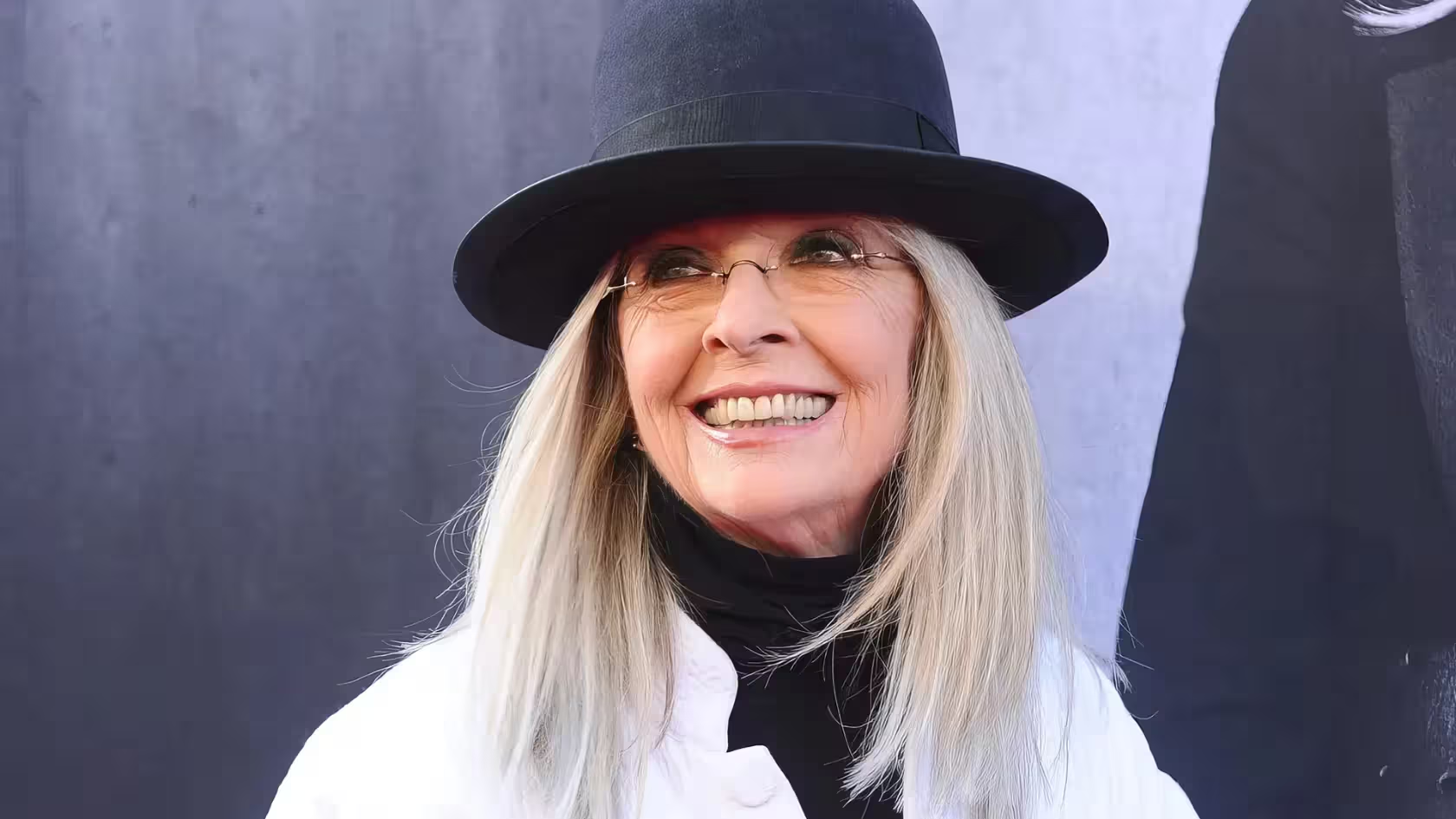
Beyond credits and awards, Keaton's influence is cultural: her offbeat charm and signature fashion — the menswear-inspired suits, ties, and cropped hair of the Annie Hall era — left an indelible mark on style and on how female characters could be written and played in romantic comedies. Annie Hall, in particular, is widely viewed as a turning point for the genre; its frankness and conversational approach can be traced forward to films such as When Harry Met Sally and many indie rom-coms.
Trivia and fan moments: Keaton's collaborations with auteurs and her willingness to toggle between blockbuster ensembles and modest character pieces earned her deep affection from cinephiles. Fans often celebrate her performances on social media and in retrospectives, pointing to the way she channels vulnerability and resilience in equal measure.
"Diane Keaton had the rare ability to be both instantly recognizable and endlessly adaptable," says film historian Marko Jensen. "Her work changed how actresses approached comic nuance and dramatic depth; she helped reshape the leading-lady archetype in late 20th-century American cinema."
Keaton's legacy is not only in awards or box office; it's in roles that felt like lived-in people and in a career that embraced risk. As tributes continue, the film world is revisiting an extraordinary catalog — a reminder that certain performers live on through the characters they made unforgettable.



Leave a Comment