
New LED-based photothermal therapy selectively destroys cancer cells
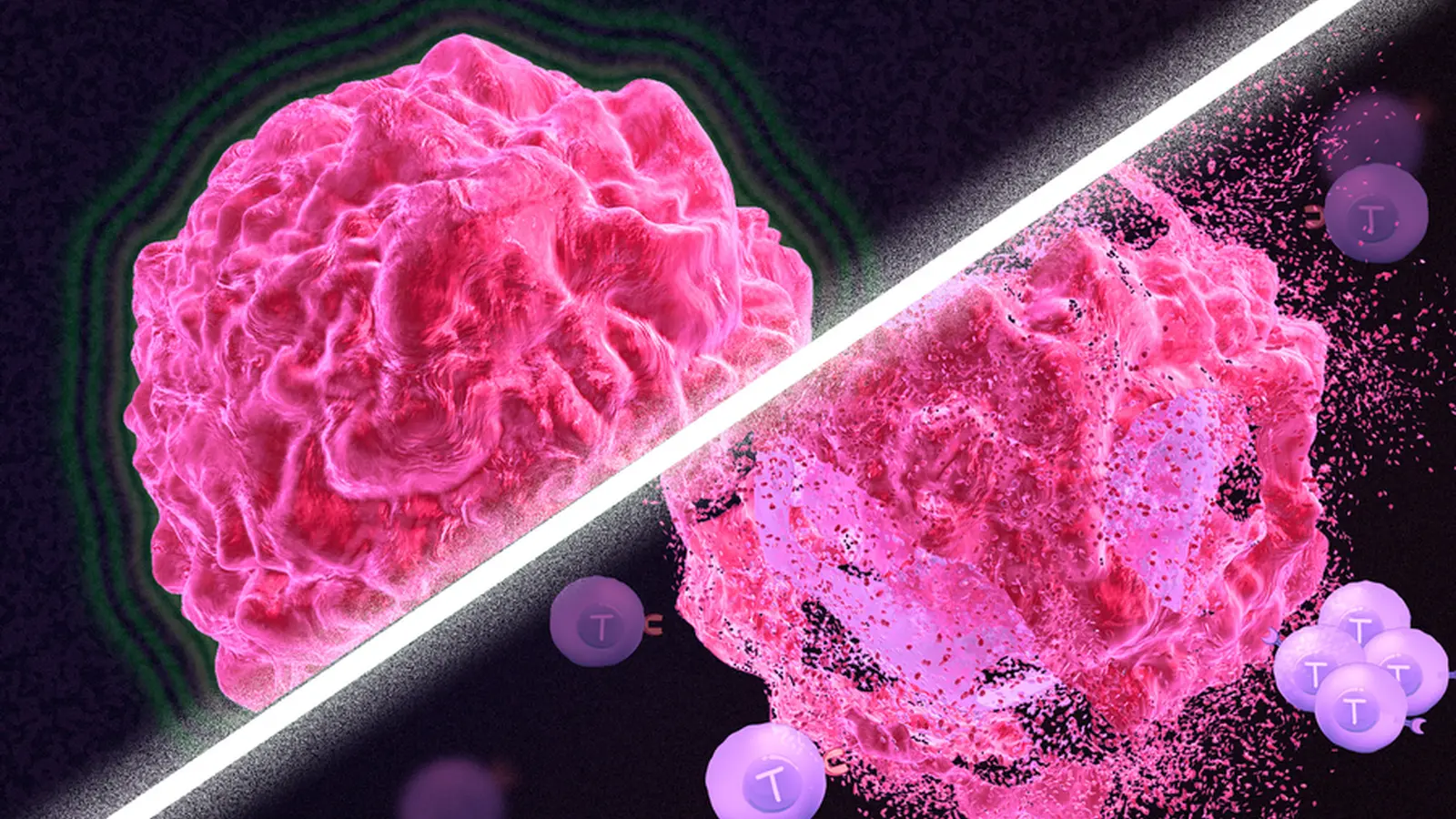
The University of Texas at Austin and the University of Porto have reported a promising light-based cancer therapy that selectively destroys tumor cells while sparing healthy tissue. The treatment combines near-infrared LED illumination with microscopic tin-oxide structures—referred to as SnOx nanoflakes—to produce localized heating that kills cancer cells. The researchers designed a custom LED heating system to trigger the nanoflakes and monitored cell viability: green indicates live cells and red indicates cells killed by photothermal therapy.
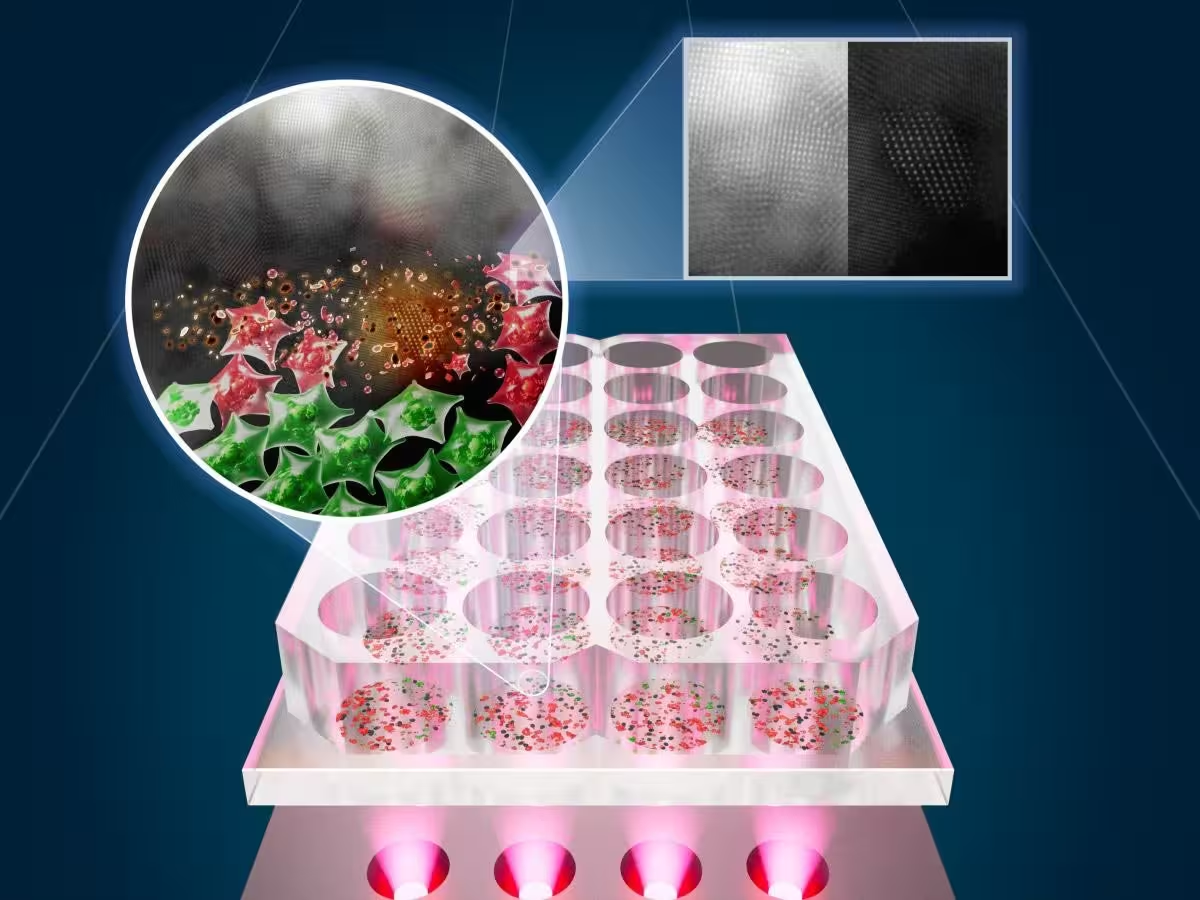
The researchers’ custom near-infrared LED heating system activates SnOx nanoflakes that heat and neutralize cancer cells (green: live cells; red: cells killed by photothermal therapy).
This approach addresses several limitations of conventional photothermal therapy that relies on high-power lasers or expensive materials. By using LEDs and tin-based nanomaterials, the team says the method could reduce cost, lower the need for specialized clinical infrastructure, and decrease the risk that surrounding healthy tissue will be damaged during treatment.
Study results: high efficacy against skin cancer cells
In a peer-reviewed article published in ACS Nano, the new method demonstrated strong, rapid cytotoxic effects in laboratory tests. After 30 minutes of LED exposure, the treatment eradicated up to 92% of skin cancer cells and about 50% of colorectal cancer cells in vitro. Importantly, the same exposure produced no detectable harm to healthy human skin cells under the study conditions, highlighting the therapy’s selectivity.
Jean Anne Incorvia, a faculty member in the Cockrell School of Engineering, summarized the team’s aim: "Our goal was to create a treatment that is not only effective but also safe and accessible. With the combination of LED light and SnOx nanoflakes, we’ve developed a method to precisely target cancer cells while leaving healthy cells untouched." Artur Pinto of the University of Porto emphasized accessibility and next steps: "Our ultimate goal is to make this technology available to patients everywhere, especially places where access to specialized equipment is limited, with fewer side effects and lower cost. For skin cancers in particular, we envision that one day, treatment could move from the hospital to the patient’s home. A portable device could be placed on the skin after surgery to irradiate and destroy any remaining cancer cells, reducing the risk of recurrence." These statements reflect the researchers’ focus on translating the technology from laboratory proof-of-concept to clinically usable devices.
Scientific background and mechanism
Photothermal therapy uses absorbed light to raise the temperature of targeted cells, causing protein denaturation, membrane disruption, and cell death. Near-infrared (NIR) wavelengths are preferred because they penetrate tissue more deeply than visible light. In this work, SnOx nanoflakes act as the photothermal agent: they absorb NIR light from LEDs, convert it into heat, and cause localized thermal damage specifically where the nanomaterials are bound to cancer cells. Compared with metallic photothermal agents, tin-oxide nanostructures can be less costly and may offer different biocompatibility and activation profiles.
Advantages over laser-based systems
- Lower equipment cost: LEDs are cheaper and more robust than medical lasers.
- Safer operation: LED arrays emit less concentrated energy, reducing the chance of collateral tissue damage.
- Greater portability: battery-powered LED devices could enable treatments outside specialized clinics.
Implications and next steps
The reported in vitro results are encouraging but preliminary. Key next steps include detailed studies of safety and biodistribution in animal models, optimization of nanoflake formulations for different tumor types, and engineering of clinical-grade LED applicators. The research team plans to further characterize the photothermal reactions, test alternative catalyst materials, and develop prototypes suitable for clinical trials.
If validated in vivo and in clinical studies, this LED-activated SnOx photothermal therapy could expand access to non-invasive cancer treatments, reduce reliance on systemic chemotherapy, and provide an adjunct option after surgical tumor removal to lower recurrence risk.
Conclusion
LED-driven activation of SnOx nanoflakes is a notable advance in photothermal cancer therapy. By combining selective heating, affordability, and potential portability, the method offers a pathway toward safer, more accessible options for treating superficial tumors such as skin cancer and possibly for adjunctive treatment of other cancers pending further research and clinical testing.

“The cosmos has always fascinated me. I write about space missions, astronomy, and the technologies pushing humanity beyond Earth.”

Discussion
Leave a Comment