
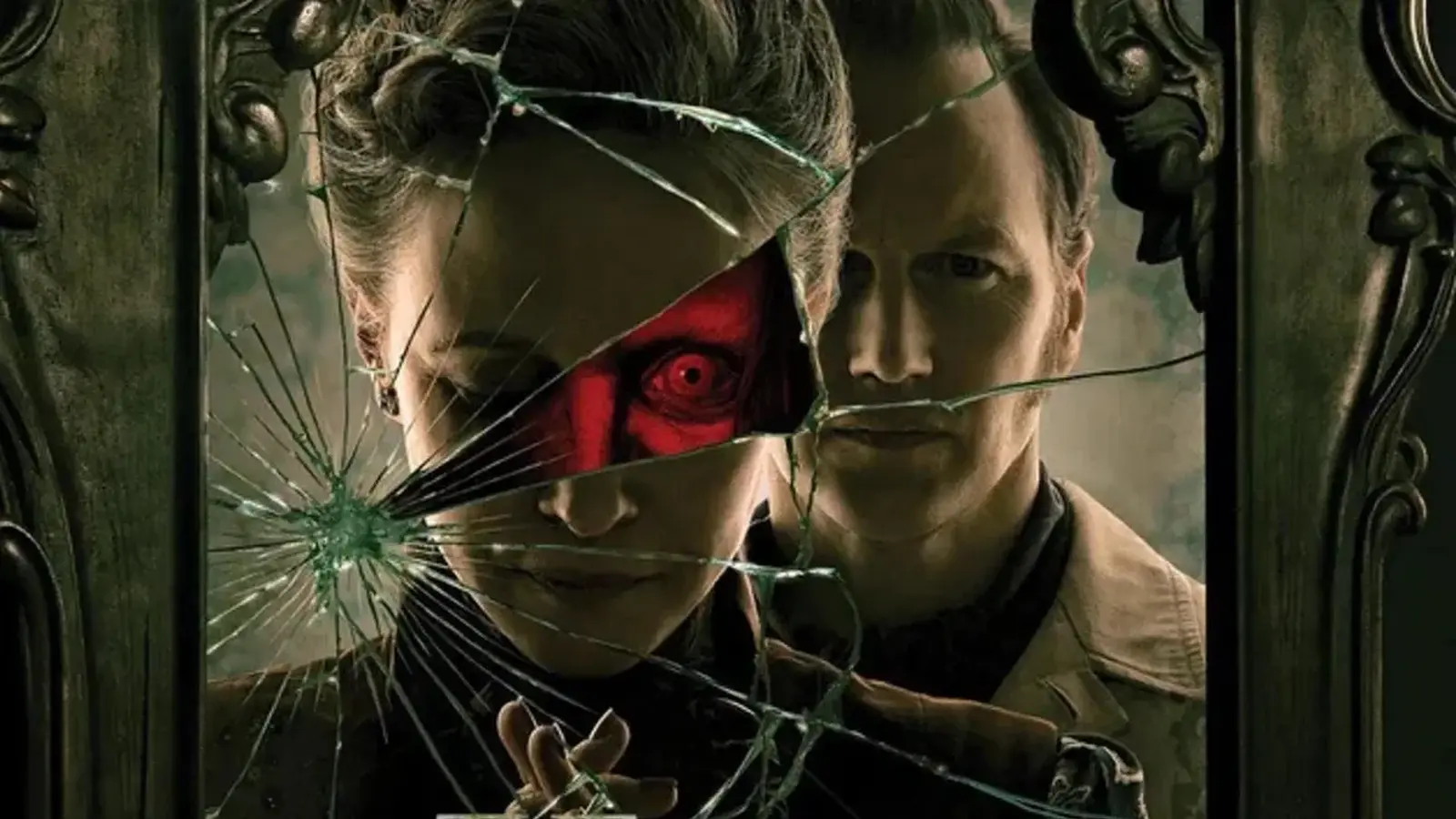
A World Built on Drama and Humanity
Unlike most commercial horror films that rely solely on jump scares, The Conjuring franchise always placed human drama at its core. James Wan understood that fear only works when the audience cares about the people experiencing it.
His storytelling combined classical horror tropes with emotional depth. The result was a universe that felt alive — anchored by the deeply personal relationship between paranormal investigators Ed and Lorraine Warren. Their love story gave The Conjuring its soul. Beyond ghosts and demons, this was always a saga about faith, devotion, and the power of love against darkness.
Wan’s approach was simple but powerful: build the emotional bones first, then layer in the scares. That’s why the original films worked — we weren’t just watching hauntings; we were watching people fight for each other in the face of evil.
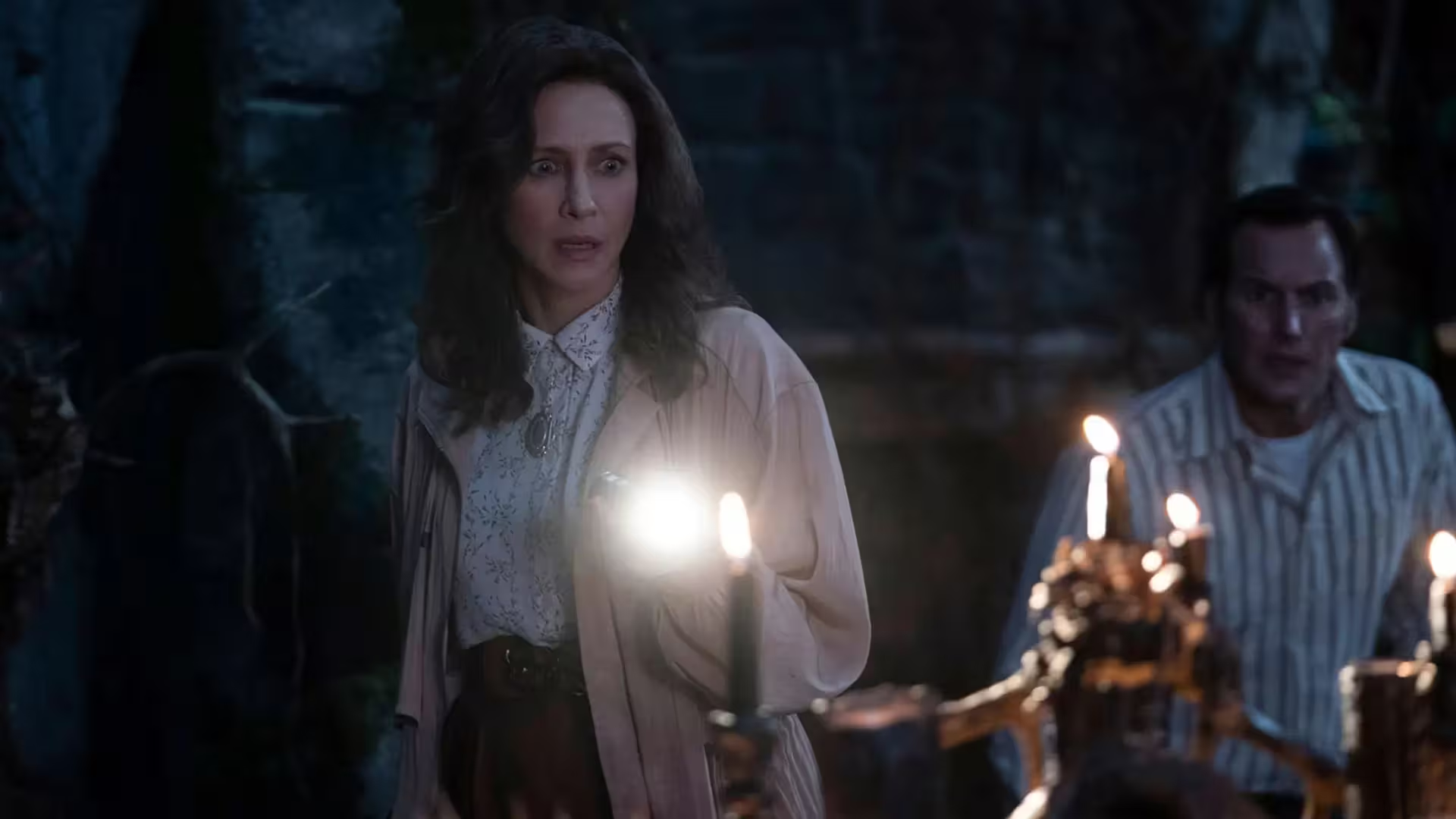
Fear Through Story, Not Noise
In The Conjuring universe, fear is born from storytelling, not just from cheap shocks. The eerie sound design and occasional jump scares exist, but they serve the narrative rather than replace it.
The terror emerges naturally from the characters’ emotional journeys. The “haunted house” subgenre feels fresh again under Wan’s direction because he taps into something primal — the universal fear of losing one’s family or faith.
That philosophy, however, seems to have weakened in Last Rites.
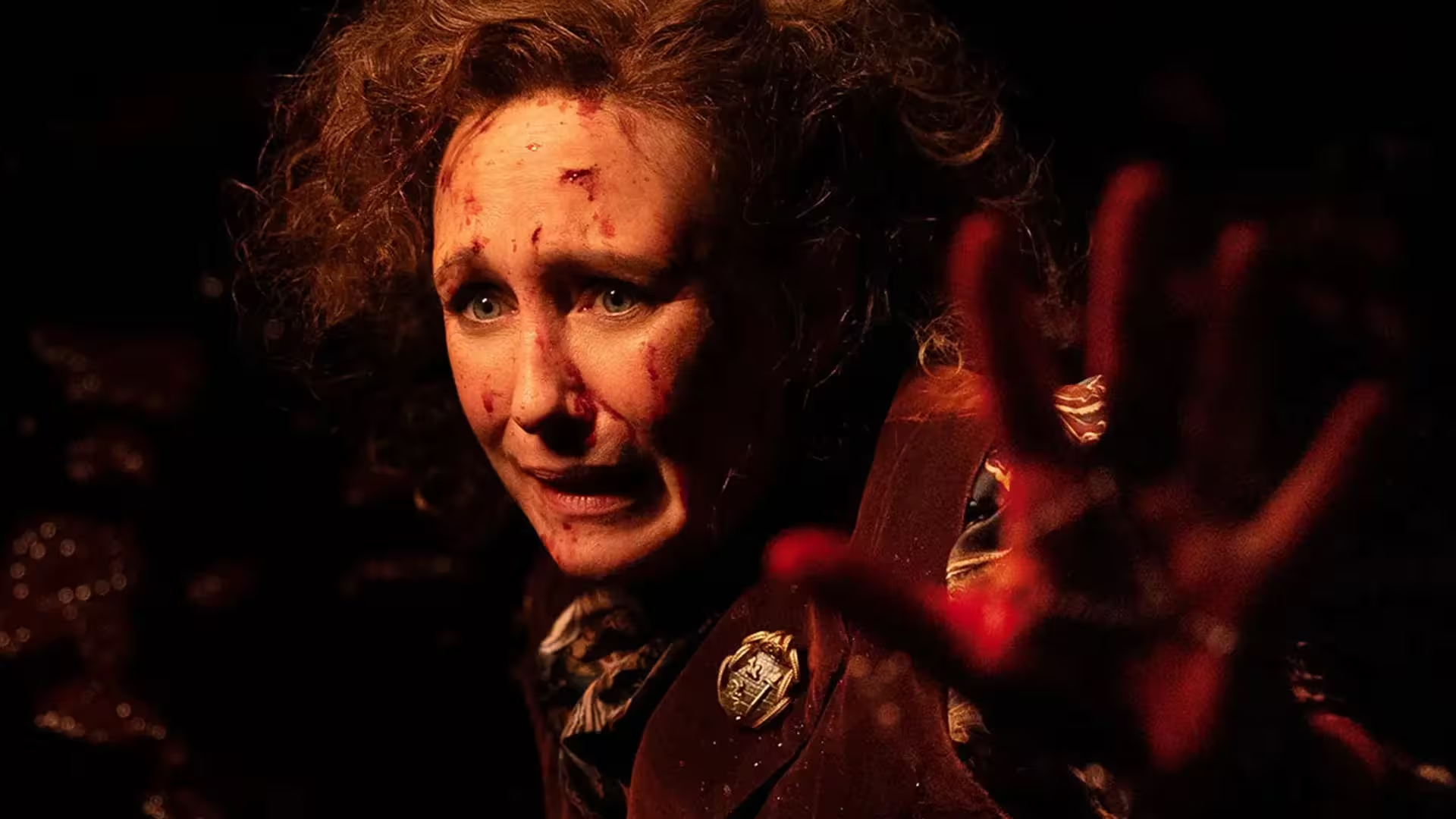
Michael Chaves’ Struggle With the Formula
James Wan serves only as a producer this time, handing the directing duties to Michael Chaves — known for The Curse of La Llorona and The Conjuring: The Devil Made Me Do It. Unfortunately, Chaves once again delivers a technically competent but emotionally hollow entry.
Last Rites lacks the slow-burn tension that made the first Conjuring unforgettable. Simply put, the movie isn’t scary. Where Wan used atmosphere and character to build dread, Chaves relies on predictable setups and recycled visuals. The suspense fizzles long before the climax arrives.
It’s clear that Chaves is trying to imitate Wan’s signature style — the long takes, the creeping camera, the religious symbolism — but without the same precision or emotional weight. What we get feels like an echo of past brilliance.
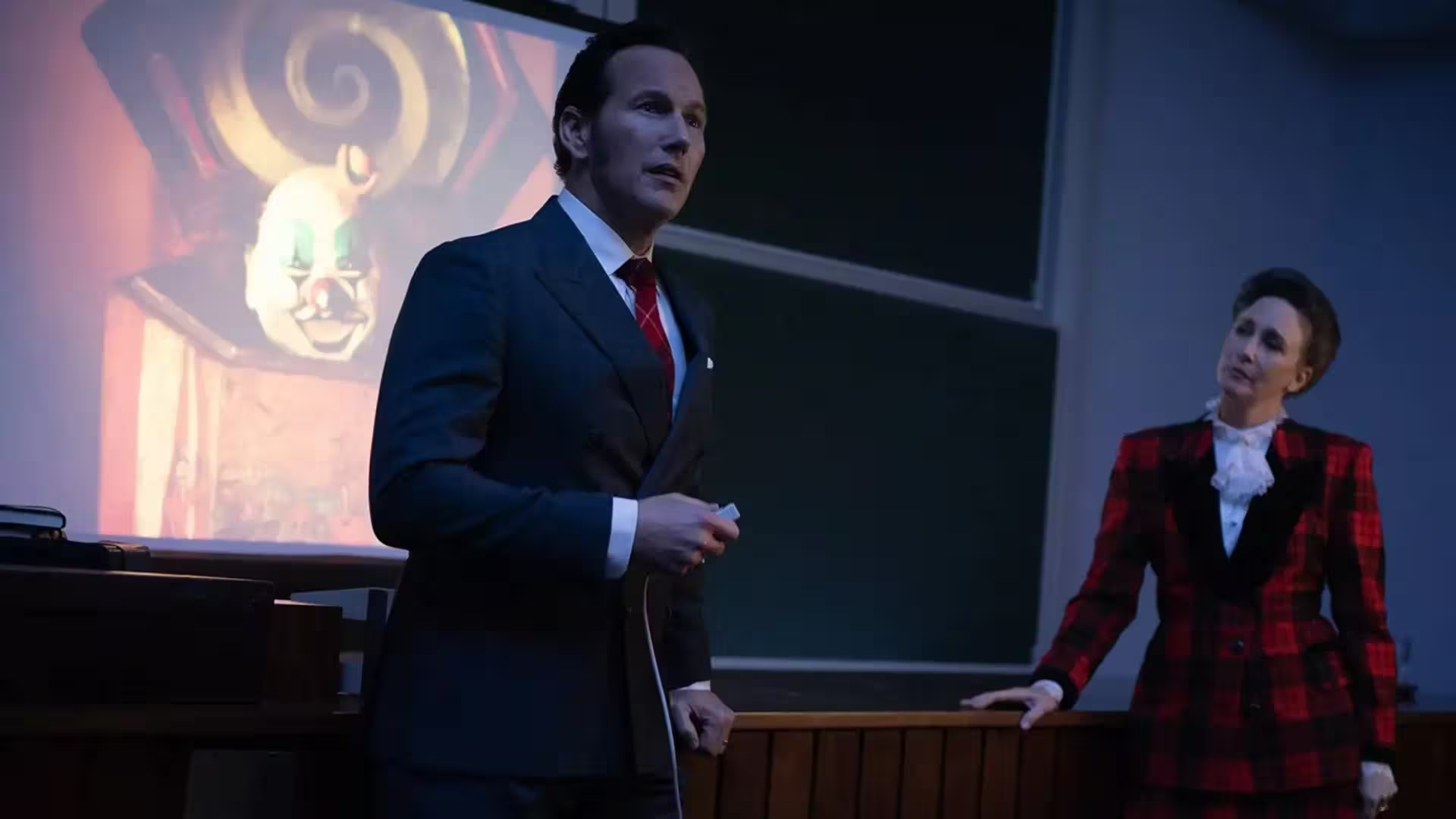
Plot: Revisiting the Warrens’ Legacy
The story centers on Judy Warren, the daughter of Ed and Lorraine. The film begins decades earlier, with a demonic entity attempting to steal her from Lorraine during childbirth. From there, the narrative jumps to the 1980s, where Judy is grown and her parents are preparing for retirement.
Meanwhile, a parallel story unfolds about a family haunted by a cursed mirror — the same artifact that once threatened Judy’s life. When a close friend and priest dies under mysterious circumstances, the Warrens are drawn back for one final investigation.
Everything feels familiar: the possession sequences, the exorcism rituals, even the emotional beats. But the difference is that this time, there’s no true sense of danger. The demon isn’t as terrifying, the twists are predictable, and the emotional intensity has faded.
A Franchise Running on Memory
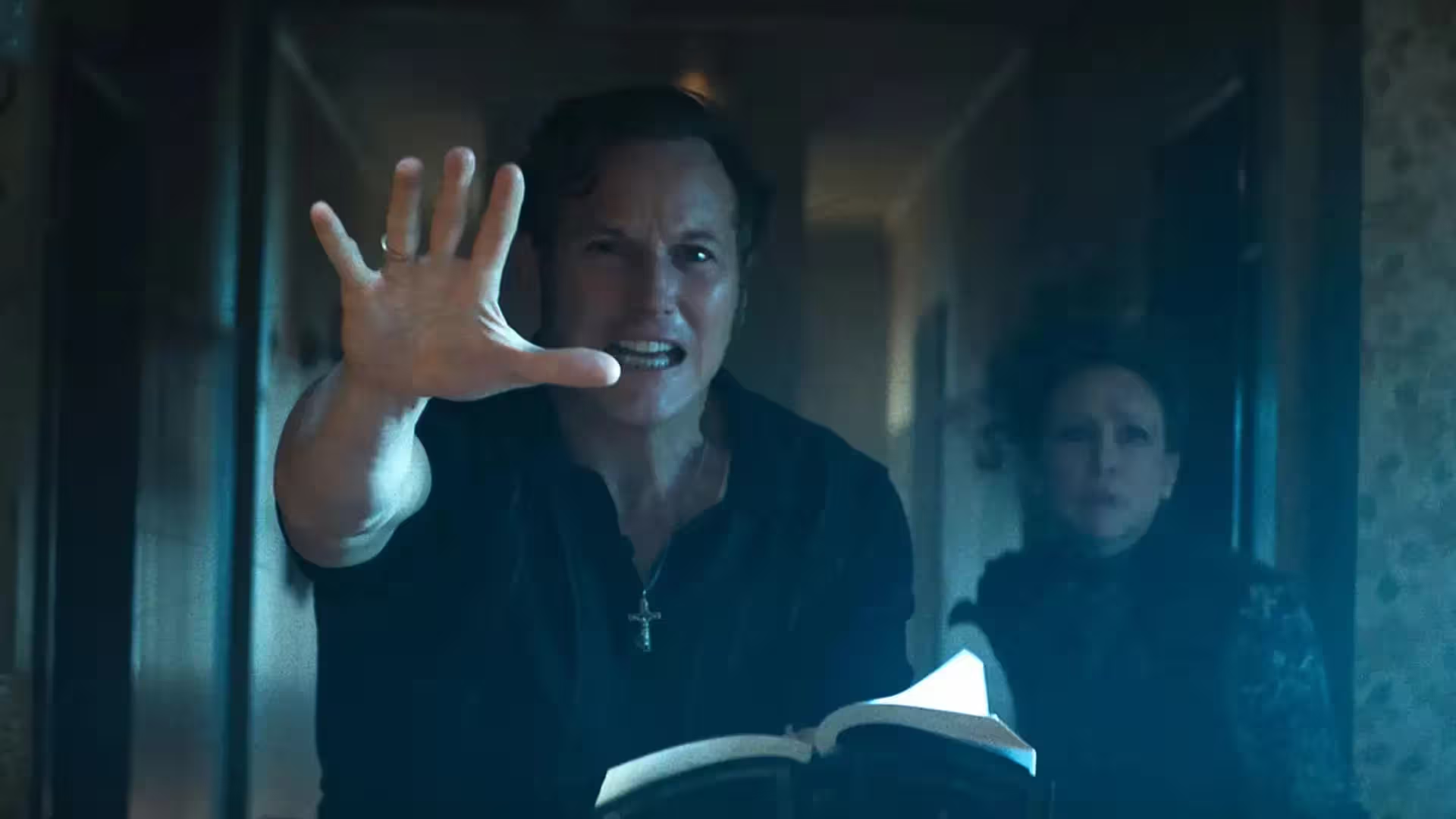
If Last Rites still holds the viewer’s attention, it’s only because of the emotional foundation laid by James Wan years ago. The chemistry between Patrick Wilson and Vera Farmiga remains strong, and the family dynamic still carries warmth.
But beyond nostalgia, there’s little new here. The film adds nothing essential to the Conjuring mythology — it neither expands its universe nor offers a memorable villain. Yet, to its credit, it doesn’t tarnish the franchise either.
In the end, The Conjuring: Last Rites is neither terrible nor great — just a faint echo of a once-revolutionary horror series. If this truly is the final chapter, it closes the book quietly rather than spectacularly.
Verdict
⭐ Rating: 6/10
Pros: Solid performances, familiar emotional core, atmospheric cinematography
Cons: Lack of tension, recycled scares, weak direction
James Wan’s legacy remains intact, but Last Rites serves as a reminder that the soul of The Conjuring has always belonged to him — and without his hand at the helm, the fear fades.

"Hey! I’m John. Whether it's about films or the latest streaming hits, I’m here to bring you everything!"

Discussion
Leave a Comment