
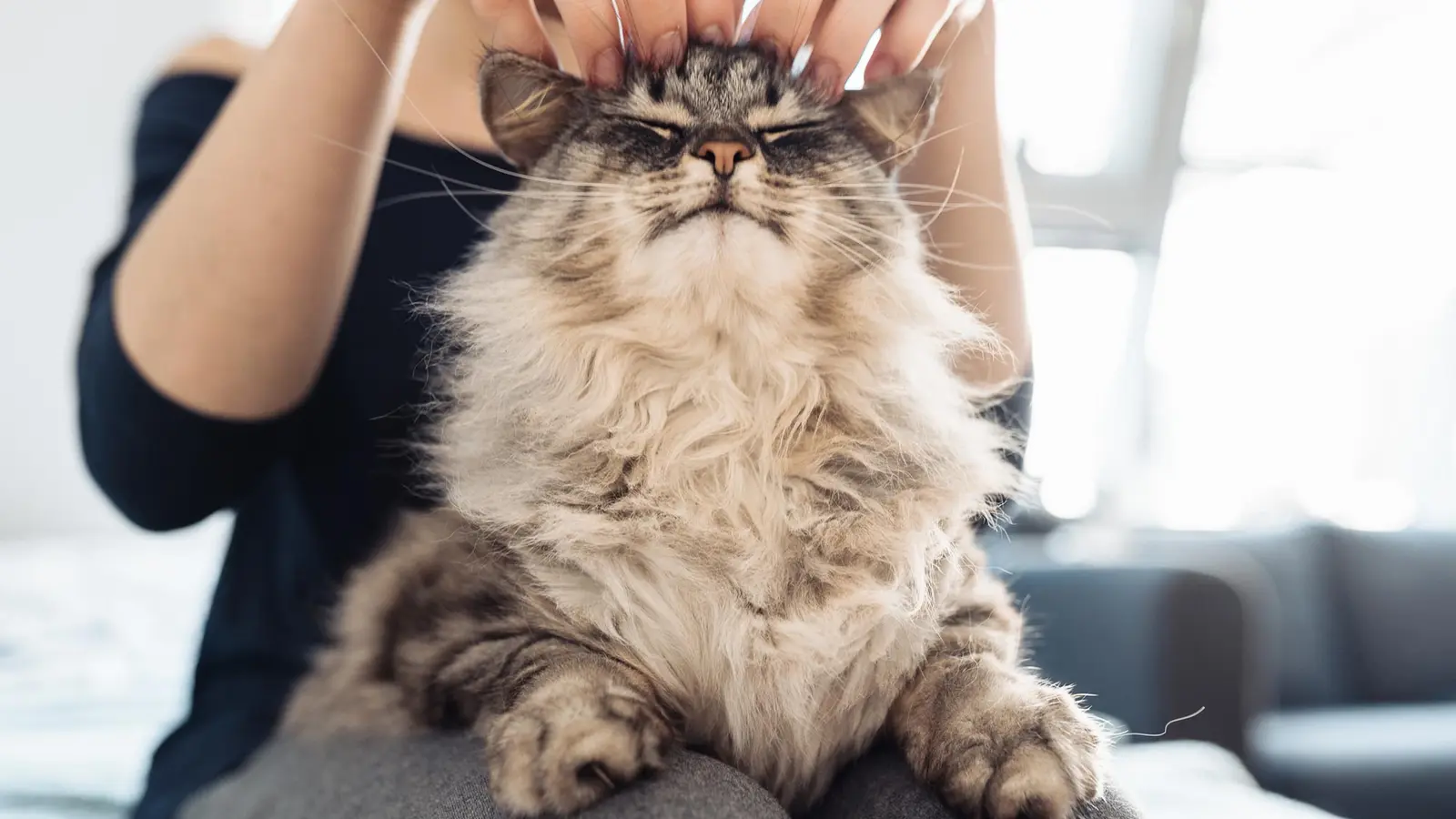
New research from the Museum für Naturkunde Berlin and the University of Naples Federico II suggests that a cat’s purr is a more consistent signature of individual identity than its meow. While meows vary wildly depending on context and the audience, purrs appear to carry stable acoustic markers that reliably distinguish one cat from another.
How researchers decoded purrs and meows
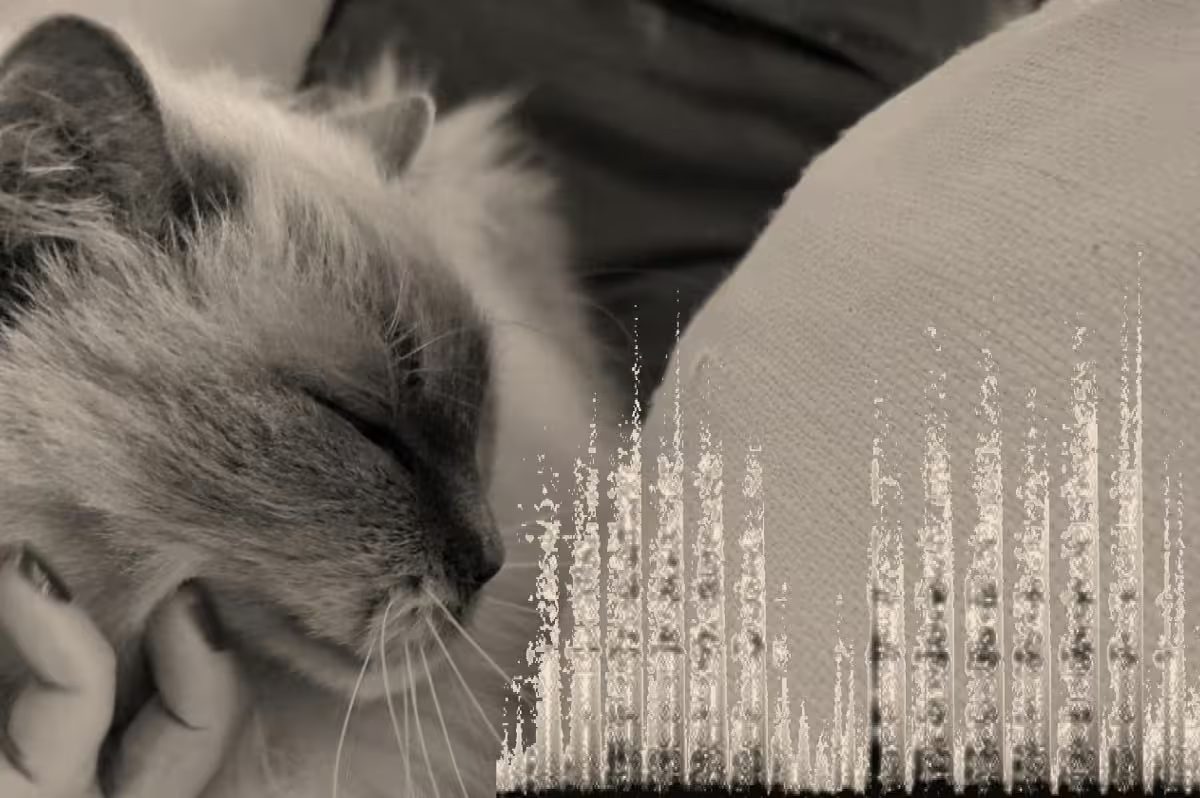
The team analyzed recordings from the Animal Sound Archive at the Berlin Natural History Museum, applying tools originally developed for automatic speech recognition in humans. Bioacoustics methods allowed scientists to extract measurable acoustic features—such as frequency, rhythm, and temporal structure—from hundreds of meows and purrs recorded in different situations.
Rather than relying on subjective listening, the researchers tested how accurately a computer model could match each sound to the correct individual cat using only those acoustic features. Both purrs and meows contained individual signatures, but purrs consistently produced higher identification accuracy. In practice this means that the low-frequency, rhythmic pattern of a purr offers a steadier fingerprint than the variable meow.
What the data showed
- Purrs were stereotyped and low-frequency, with each cat displaying a distinct and stable acoustic profile.
- Meows were highly variable within the same individual, shifting with motivation, context, and when interacting with humans.
- Using machine-learning-style matching, purrs yielded more reliable identity assignment than meows.
“People often focus on meows because cats direct them at us,” said the study’s first author Danilo Russo (paraphrased). But when researchers inspected the acoustic structure, the rhythmic purr emerged as the better cue for identifying individuals. Co-author Anja Schild notes that purring frequently accompanies relaxed social contact—during petting or in mother-kitten interactions—situations where identity cues are especially useful.
Domestication rewired feline vocal flexibility
To place vocal differences in an evolutionary context, the study compared domestic cat meows with those from five wild cat species: African wildcat, European wildcat, jungle cat, cheetah, and cougar. The results show domestic cats produce far more variable meows than their wild relatives, suggesting that living alongside humans selected for vocal flexibility.
In human environments, cats face diverse routines and responses from different people. Flexibility in meowing—using different tones and patterns to solicit food, attention, or other outcomes—appears to be an adaptive trait shaped by domestication. Purrs, by contrast, remained stereotyped, likely because their core functions—comfort signaling, mother-kitten bonding, and close-contact social cues—benefit from consistency.
These findings refine our understanding of feline vocal communication: purrs act as a reliable identity cue useful in close social contexts, while meows function as a versatile negotiation tool in human-dominated settings. The study also demonstrates how speech-recognition and bioacoustic tools can illuminate animal behavior and evolution.
Implications for pets, research, and technology
For cat owners and pet technologists, the study opens practical possibilities. Acoustic identity markers in purrs could be used in future apps or devices to monitor individual well-being, track stress levels, or personalize automated feeding systems. For researchers, combining large archival sound libraries with machine-listening methods offers a scalable path to study animal communication across species.
Understanding the distinct roles of purrs and meows also deepens how we interpret feline behavior: when a cat meows it might be negotiating, improvising, or testing a response; when it purrs, it may be quietly signalling who it is and reaffirming a social bond.

“My work centers on sustainability, energy, and environmental science — examining how innovation can lead to a greener future.”

Discussion
Leave a Comment