
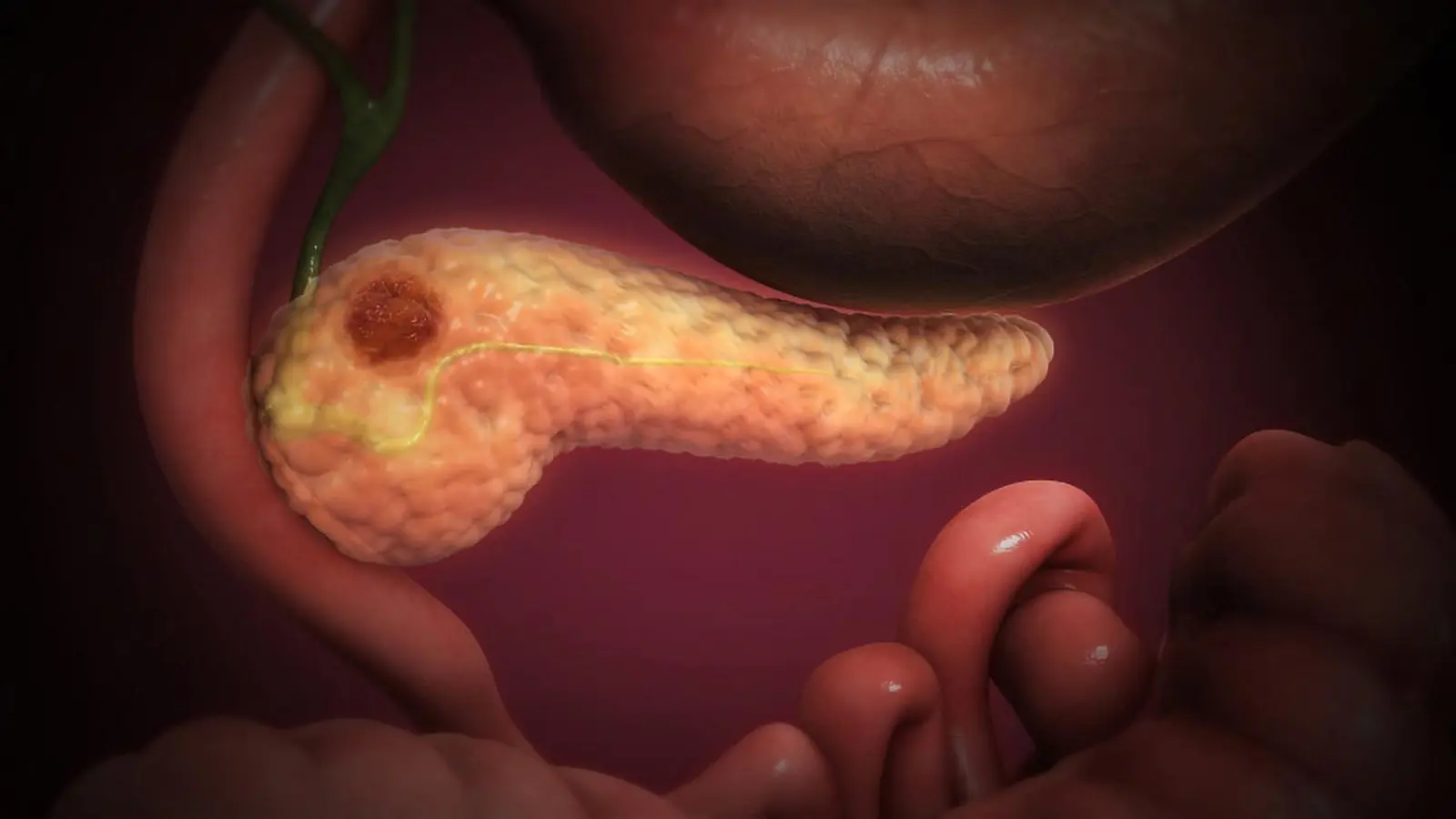
Brazilian researchers have uncovered a molecular mechanism that helps explain why pancreatic adenocarcinoma is so lethal: tumor-associated stellate cells secrete the protein periostin, which remodels the tissue around the tumor and opens a path for cancer cells to invade nerves early in disease. This discovery points to new biomarkers and therapeutic targets for a cancer that routinely resists current treatments.

Pancreatic adenocarcinoma is considered an aggressive and highly lethal tumor, with mortality rates almost equivalent to incidence rates.
A hidden invasion route: periostin and perineural spread
Pancreatic ductal adenocarcinoma (PDAC) often presents with a deceptively small primary mass yet spreads rapidly. One critical contributor to that spread is perineural invasion, the process by which cancer cells infiltrate and travel along nerves. Perineural invasion correlates with intense pain and a higher probability of metastasis, and it is detected in a large proportion of patients even at early stages.
A recent study published in Molecular and Cellular Endocrinology, led by researchers at the Center for Research on Inflammatory Diseases (CRID) in São Paulo and coordinated with FAPESP’s RIDC program, used high-resolution single-cell and spatial transcriptomic methods to analyze 24 pancreatic cancer samples. The team identified pancreatic stellate cells in the tumor stroma as a primary source of periostin, an extracellular matrix (ECM) protein that reshapes the tissue scaffold and enables tumor cells to migrate toward and along nerves.
How tumors reprogram the microenvironment
The tumor microenvironment in PDAC is not a passive backdrop: it is actively co-opted by cancer cells. Stellate cells—normally quiescent support cells in the pancreas—become activated in the presence of tumor signals and begin producing periostin at high levels. Periostin interacts with other ECM components and enzymes that degrade or modify the matrix, such as matrix metalloproteinases (MMPs), creating a path of reduced structural resistance.
In practical terms, periostin-rich remodeling loosens the extracellular matrix and promotes a desmoplastic reaction: dense fibrosis made up of collagen, fibroblasts, and inflammatory mediators. This hardened, fibrotic tissue both facilitates directional migration of tumor cells toward nerves and, simultaneously, hampers delivery of systemic therapies. Chemotherapy and many immunotherapies face a physical barrier, reducing drug penetration and local immune activity.
Helder Nakaya, principal investigator on the study, summarized the mechanism: periostin helps to reorganize the ECM so tumor cells can leave the primary mass and use nerves as conduits for local and distant spread. Oncologist Pedro Luiz Serrano Uson Junior notes the clinical relevance: perineural invasion signals that tumor cells have acquired mobility and a greater capacity to form metastases—an explanation for the poor prognosis in many PDAC patients.
Key findings and experimental approach
The investigators combined single-cell RNA sequencing with spatial mapping to locate gene activity within tissue architecture. This dual approach enabled them to connect the cellular source of periostin (stellate cells) with the regions where the ECM is most altered and where tumor cells cluster around nerves. Integrating data from dozens of samples delivered robust evidence that the stromal compartment is not merely reactive: it is a driver of invasion.
Key discoveries include:
- Elevated periostin expression in pancreatic stellate cells adjacent to tumor margins.
- Spatial co-localization of periostin-rich stroma, ECM remodeling enzymes, and tumor cells conducting perineural infiltration.
- An association between desmoplasia (fibrotic response) and reduced likely efficacy of systemic therapies due to poor penetration.
These results build on growing evidence that targeting the tumor microenvironment—rather than tumor cells alone—may be required to block early metastatic behavior in PDAC.
Therapeutic implications and future directions
Periostin emerges from this work as a promising molecular target. Blocking periostin directly with antibodies, inhibiting its interaction partners, or depleting or reprogramming periostin-producing stellate cells could reduce perineural invasion and the metastatic potential of pancreatic tumors. Some clinical trials in other cancers are already testing anti-periostin strategies, which could accelerate translational efforts for PDAC.
Promising therapeutic concepts include:
- Monoclonal antibodies that neutralize periostin or block its receptors on tumor and stromal cells.
- Small molecules or biologics that inhibit ECM-remodeling enzymes (for example, certain MMP inhibitors) in a targeted way.
- Cell-targeted approaches to silence stellate cell activation or convert them back to a quiescent, non-supportive phenotype.
Beyond drug development, the study highlights diagnostic opportunities. Measuring periostin levels or transcriptional signatures of activated stellate cells could improve early detection of aggressive, nerve-invasive tumors and help stratify patients for precision therapies that combine stromal targeting with cytotoxic or immune-based treatments.
Expert Insight
“This study emphasizes that cancer progression is often a collaborative process between malignant cells and their microenvironment,” says Dr. Maya Thompson, an oncologist and translational researcher not involved in the study. “Targeting stromal drivers such as periostin could help dismantle the highways cancer cells use to escape—the nerves and lymphatics—making conventional treatments more effective.”
Dr. Thompson adds that a realistic pathway to clinical impact will require robust biomarkers to identify patients whose tumors depend on periostin-mediated remodeling, and combination trials that pair stromal inhibitors with chemotherapy or immunotherapy to overcome the physical and immunosuppressive barriers of desmoplasia.
Conclusion
The Brazilian team's work provides a clearer mechanistic link between stellate cell activity, periostin-driven ECM remodeling, and perineural invasion in pancreatic adenocarcinoma. By showing how the tumor actively reshapes nearby healthy tissue to facilitate early nerve infiltration, the study reframes part of PDAC's lethal behavior as a potentially targetable process. Translating these insights into clinical tools—antibodies, small molecules, and diagnostics—could open new avenues in precision medicine for one of the deadliest common cancers.
As research progresses, combining microenvironment-directed therapies with conventional treatments may be the key to improving outcomes for patients with pancreatic cancer. The next steps are clear: validate periostin as a predictive biomarker, test periostin-blocking agents in preclinical PDAC models, and design clinical trials that address both tumor cells and their stromal partners.

“My work centers on sustainability, energy, and environmental science — examining how innovation can lead to a greener future.”

Discussion
Leave a Comment