
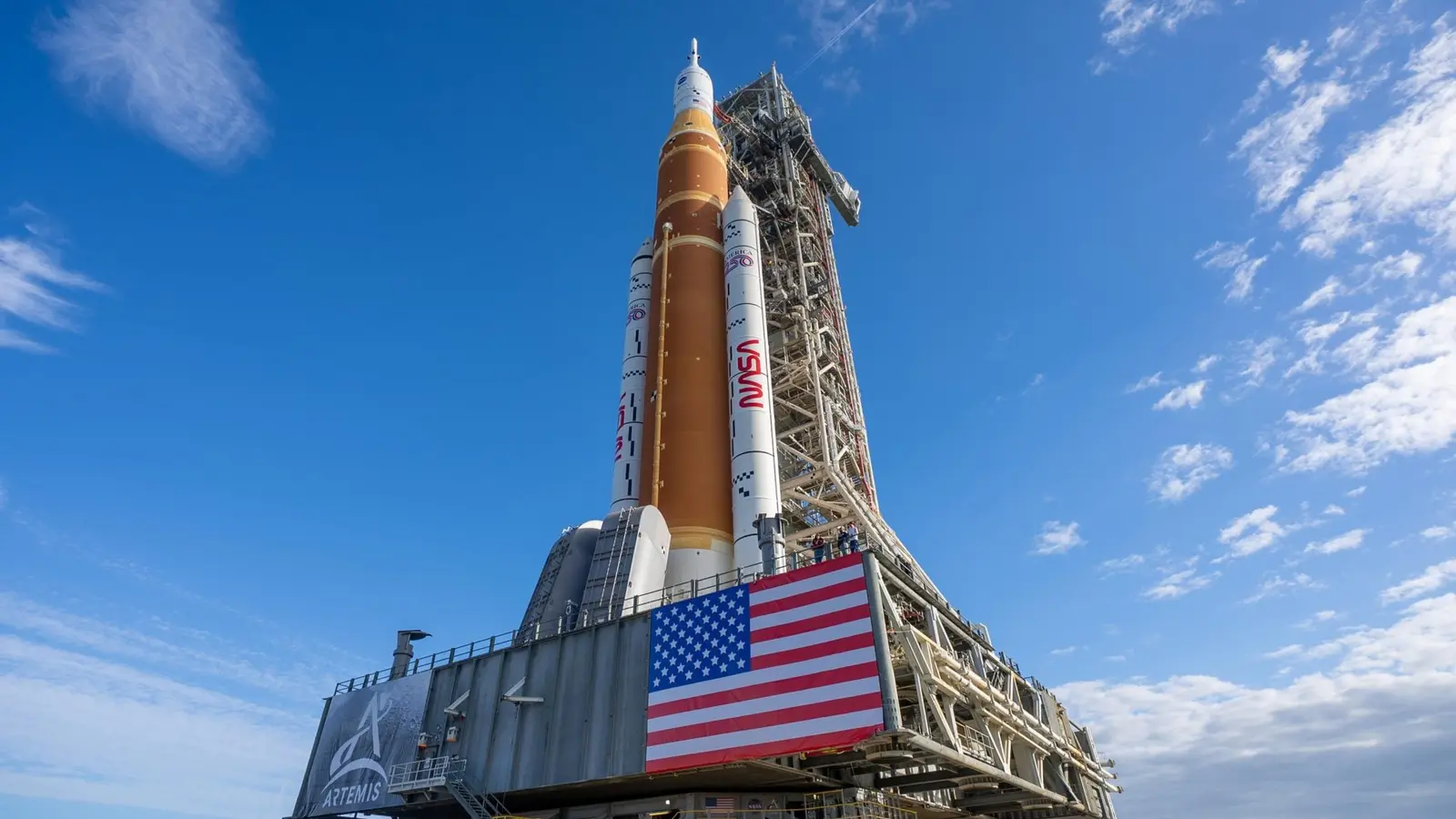
NASA is preparing to put astronauts back into lunar orbit for the first time in more than half a century. The Artemis II mission, driven by the Space Launch System (SLS) rocket and the Orion crew capsule, aims to validate deep-space operations that will underpin a sustained human presence at the Moon and build experience for future Mars missions.
Why Artemis II matters now
Artemis II is more than a single flight: it’s a systems-level test that will integrate crew, vehicle, ground systems, and mission operations in a deep-space environment. By sending astronauts on a crewed flyby of the Moon, NASA will exercise life-support systems, communications, navigation, and emergency procedures beyond low Earth orbit. Those validations are essential before committing to a crewed lunar landing and longer stays on the surface.
The mission sits at the center of a broader, international push to reestablish routine human activity around and on the Moon. Since the Artemis program launched, partners across industry and dozens of nations have signed the Artemis Accords and built components, landers, and service modules that will support lunar exploration. In that context, Artemis II is both a technical milestone and a diplomatic signal: it demonstrates capability while strengthening collaborative norms for the next era of space exploration.
America’s Space Launch System and Orion capsule form the backbone of the mission architecture. SLS provides the heavy-lift capability to send Orion and its crew toward lunar distance, while Orion’s design focuses on deep-space crew safety and reentry from high-speed lunar-return trajectories. Together these systems represent a decades-long effort to revive U.S. crewed deep-space access and to establish a pathway toward a sustainable lunar presence.

America 250 logo on the twin SLS (Space Launch System) solid rocket boosters for the Artemis II mission.
Missions, technology, and program context
Recent years have seen multiple advances across NASA’s portfolio: new science missions, experimental flight tests, and development work on nuclear propulsion and other technologies intended for deep-space operations. Artemis II will validate operational concepts that feed directly into later missions that aim to return astronauts to the lunar surface and build out infrastructure such as habitats, power systems, and surface mobility.
Key components and capabilities that Artemis II will exercise include:
- Long-duration life-support and environmental control systems tailored for deep-space missions.
- High-bandwidth communications and navigation near the Moon, including relay concepts hinging on lunar gateways or service modules.
- Integrated ground operations that coordinate launch, mission control, and contingency responses for crewed flights beyond low Earth orbit.
Beyond hardware, Artemis II is an operational stepping-stone for international and commercial partnerships. The Artemis Accords have expanded to include many countries, fostering standard practices for safety, data sharing, and resource use on and around the Moon. Commercial suppliers continue to play a growing role in delivering cargo, landers, and technology demonstrations—a more flexible industrial base than previous lunar programs.
Timeline and program goals
Preparations for Artemis II involve integrated testing, crew training, and verification of launch and recovery systems. The mission’s primary objective is to perform a crewed lunar flyby that proves Orion and SLS can support human life and return safely from a translunar trajectory. Data from Artemis II will inform planning for subsequent missions that include crewed landings, surface habitats, and sustained operations.
In parallel, NASA is advancing science missions such as the Nancy Grace Roman Space Telescope and exploring advanced propulsion and power systems—nuclear thermal and electric propulsion among them—that could reduce transit times to Mars and expand mission flexibility. These investments are framed as a long-term strategy to extend human and robotic presence across the inner solar system.
Expert Insight
“Artemis II is a critical validation flight,” says Dr. Maria Chen, a fictional NASA systems engineer with two decades of experience in human-rated spacecraft. “It’s where the rubber meets the road: integrating crew needs, propulsion, navigation, and ground operations in a truly deep-space environment. Successful demonstrations here shorten risk for later lunar surface missions and give engineers real-world data to refine systems for Mars-class missions.”
Dr. Chen adds that international cooperation and commercial contributions will be decisive. “Partnerships diversify technical approaches and spread costs. When multiple nations and companies can meet interoperable standards, the entire program becomes more resilient.”
Conclusion
Artemis II is poised to restart a chapter of human exploration that has been dormant for more than 50 years. The mission’s success will hinge on complex systems working together—from the SLS rocket and Orion crew capsule to ground operations and international partners. If it performs as planned, Artemis II will pave the way for regular crewed missions to the Moon, development of a sustainable lunar presence, and the technical maturity needed for future human missions to Mars.

“My work centers on sustainability, energy, and environmental science — examining how innovation can lead to a greener future.”

Discussion
Leave a Comment