
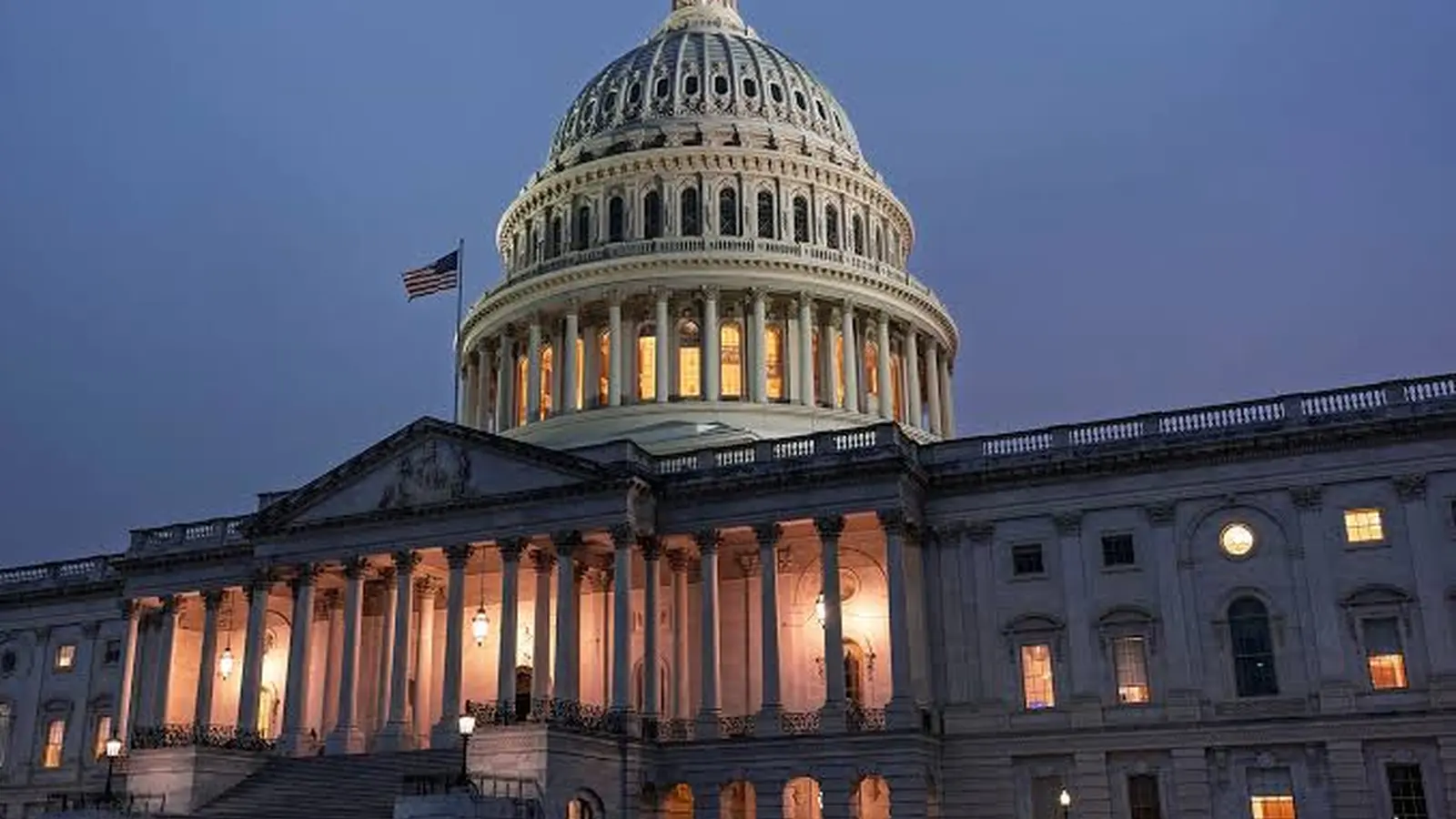
Polymarket odds surge as January shutdown probability spikes
Polymarket markets now reflect a 77% likelihood that the United States government will experience another shutdown before the end of January — a dramatic jump that represents a 67% increase in the betting market over the past 24 hours. This sudden spike adds fresh uncertainty to the timeline for key crypto legislation, notably the CLARITY Act, which is still navigating a stalled path through Congress.
What pushed Polymarket odds higher?
The market movement followed a string of recent political developments. Senator Chuck Schumer warned that Democrats would not "provide the votes to proceed" on an appropriations measure if funding for the Department of Homeland Security (DHS) remained in the package, signaling a legislative impasse. Days earlier, President Donald Trump suggested the possibility of another shutdown, amplifying perceptions of an elevated near-term risk.
How the shutdown risk affects crypto policy
A renewed government shutdown threatens to slow or derail progress on the CLARITY Act, a high-profile bill intended to clarify US crypto regulations. The CLARITY Act has already been affected by late-year disruptions, and industry stakeholders are closely watching the legislative schedule. Any delay could leave unresolved questions around stablecoin rules, regulatory certainty for exchanges, and the broader framework for crypto compliance.

Industry reaction and the CLARITY Act debate
Responses within the crypto sector to the current draft of the CLARITY Act have been mixed. Coinbase CEO Brian Armstrong and some other executives publicly withdrew support, arguing that the bill in its present form could be worse than having no statute at all. Armstrong said he preferred a stronger, more balanced draft to a compromised law that would harm innovation.
Galaxy Digital’s head of research, Alex Thorn, highlighted another layer of complexity: disagreement over stablecoin yields. Banking groups argue that certain provisions could disadvantage traditional banks, and negotiators have yet to identify a compromise. Thorn noted that an additional four to six weeks until a renewed markup attempt might give lawmakers time to broker a deal — but significant questions remain.
What crypto participants should monitor next
Market participants and crypto firms should track several indicators closely: statements from congressional leadership, any votes on DHS or appropriations bills, updates to the CLARITY Act draft, and public comments from major exchange CEOs and financial lobby groups. A sustained high shutdown probability would likely increase regulatory uncertainty and could affect token markets, stablecoin guidance, and institutional plans tied to US regulatory clarity.
In short, Polymarket’s surge to 77% is more than a political curiosity for the crypto community — it’s a market signal that lawmakers may miss a critical window to advance legislation that many in the industry see as essential for regulatory certainty.

“I cover automotive innovation, electric vehicles, and the future of mobility — where technology meets sustainability.”

Discussion
Leave a Comment