
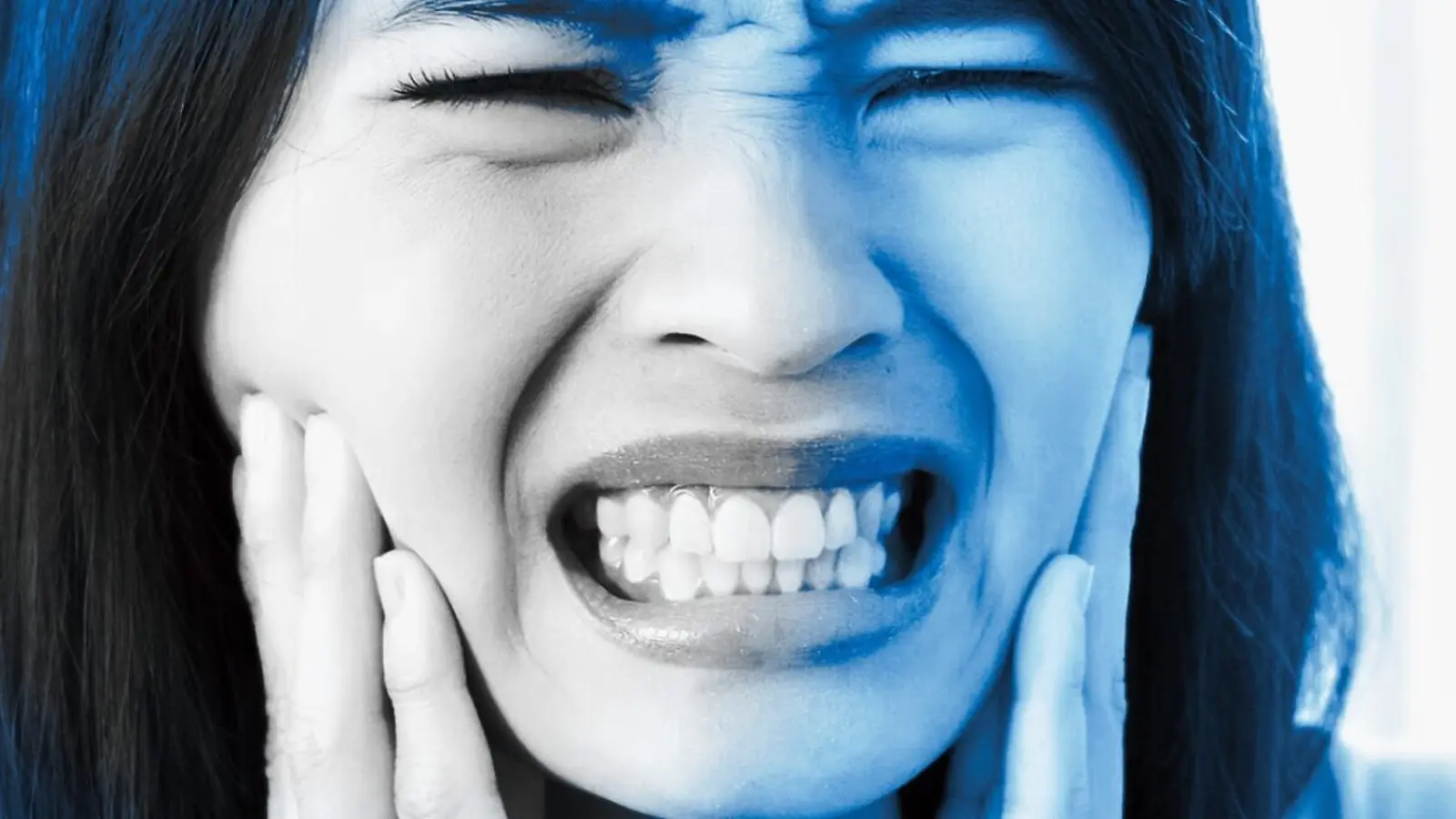
You might be clenching or grinding your teeth more often than you think. Many people do it unconsciously during the day or while asleep, and the habit can quietly damage teeth, strain jaw muscles, and disturb sleep. Here are the subtle symptoms to watch for, why they happen, and which tests and treatments clinicians recommend.
What bruxism looks and feels like
Bruxism is the medical term for repeated teeth clenching or grinding. It often happens involuntarily: your masseter (jaw) and temporalis muscles tighten, your lower jaw may thrust forward or sideways, and teeth rub together under force. Sometimes a partner will report a distinctive grinding noise during the night, but other indicators are less obvious.

Ask yourself how often you experience these problems. If any occur at least weekly, they can point to bruxism:
- Soreness in the temple, cheeks, jaw, or near the ear.
- Pain when opening your mouth wide, chewing, or yawning.
- Jaw locking, clicking, or a feeling that the jaw is stuck.
Occasional, light grinding is common and usually harmless. But frequent or forceful bruxism can wear down enamel, chip or crack teeth, inflame the temporomandibular joint (TMJ), and contribute to tension headaches or ear pain. Over time, the mechanical stress can shift the position of teeth or loosen restorations, creating costly dental problems.
(Andrea Piacquadio/Pexels)
Why people grind their teeth: biological and lifestyle triggers
There isn’t a single cause. Bruxism results from a mix of physiological, psychological, and behavioral factors that interact unpredictably.
Common contributors include:
- Psychological stress, anxiety, or depression, which increase muscle tension and arousal.
- Certain medications—particularly some antipsychotics and antidepressants—that can alter movement patterns and jaw muscle tone.
- Stimulants and intoxicants such as caffeine, nicotine, and heavy alcohol use, which increase central nervous system activity.
- Poor sleep quality or disruptions—frequent awakenings or external noises raise the chance of nocturnal grinding.
- Sleep-disordered breathing, especially obstructive sleep apnea (OSA). Repeated oxygen drops prompt arousals and stress-hormone surges that can trigger brief, forceful jaw muscle contractions.
At the physiological level, bruxism links to how the brainstem and motor circuits regulate jaw-closing muscles. Neurochemical shifts—particularly in dopamine and serotonin systems influenced by mood and medication—can change motor control and increase the risk of involuntary grinding. That’s why clinicians often view bruxism as a sleep and movement disorder at the intersection of neurology, dentistry, and sleep medicine.
How clinicians detect and evaluate bruxism
When you see a dentist or doctor about suspected grinding, the evaluation covers medical history, medication review, and targeted questions about jaw pain, headaches, chewing difficulty, and sleep quality. A clinician will also examine your mouth for telltale signs.
What the dentist looks for:
- Flattened, chipped, or unusually worn teeth and dental fillings.
- Scalloped edges on the tongue and white ridges on the inside of cheeks—created when soft tissues press against teeth during clenching.
- Receding gums, tooth mobility, or changes in tooth alignment.
Severe wear can also result from acid erosion due to gastroesophageal reflux disease (GERD). Acid weakens enamel, making teeth more susceptible to mechanical wear from grinding. If reflux is suspected, clinicians will consider that when planning treatment.
Polysomnography and other tests
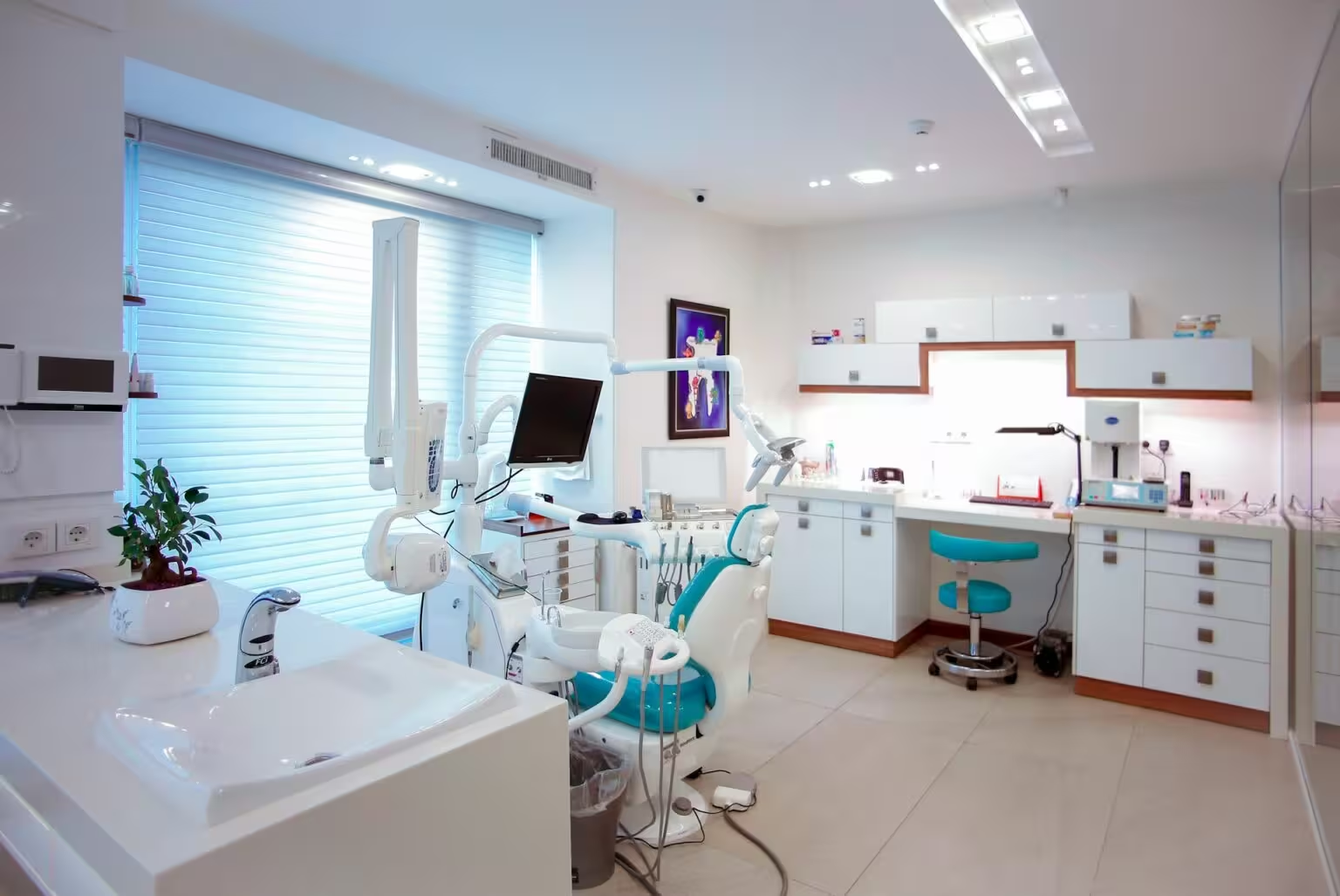
If sleep apnea or another sleep disorder is suspected, your doctor may recommend polysomnography (a sleep study). This overnight test measures breathing, blood oxygen, heart rate, limb movements, and jaw-muscle activity—offering a gold-standard look at how sleep disruption and bruxism interact. Simple screening questionnaires and daytime sleepiness assessments also help decide whether a formal sleep study is needed.
(Benyamin Bohlouli/Unsplash)
Treatment options and what each aims to do
Management focuses on reducing harm and addressing underlying causes. Several evidence-based strategies exist, and a combination is often most effective.
- Behavioral and lifestyle changes: Reduce caffeine and alcohol, quit or cut back on nicotine, and develop a wind-down routine before bed. Good sleep hygiene—regular schedules, limiting screens, and creating a restful bedroom—can reduce nocturnal arousals that provoke grinding.
- Medical review: Your physician can reassess medications that may increase risk and treat comorbid conditions such as depression or GERD.
- Night guards (occlusal splints): Custom acrylic or nylon appliances fit over the upper teeth and cushion the bite. They don’t stop bruxism but protect teeth from wear and can reduce jaw muscle strain and clicking.
- Physiotherapy: Jaw-focused exercises, stretching, and manual therapy by a therapist specializing in TMJ disorders can relieve muscle tension, improve range of motion, and reduce pain.
- Medications and injections: Short-term pain relievers can control acute discomfort. Botox injections into jaw muscles are an option for selected patients to reduce extreme clenching—though results vary, effects are temporary, and treatment can be costly.
- Treat sleep apnea if present: Positive airway pressure (PAP) therapy, oral appliances, or lifestyle changes to reduce OSA can decrease oxygen-desaturation-driven arousals and associated jaw muscle activity.
Expert Insight
Dr. Emily Ross, a sleep medicine specialist, explains: "Bruxism sits at a crossroads of dentistry and sleep science. We often treat the visible damage in the mouth but miss the sleep-disordered breathing or stress that fuels the behavior. Addressing sleep quality and stress management can reduce symptoms more effectively than a guard alone."
Conclusion
If you notice jaw soreness, pain when chewing, or episodes of locking or clicking, discuss bruxism with your dentist or doctor. A coordinated approach — dental protection, lifestyle changes, sleep evaluation, and targeted therapy — can halt damage and relieve pain. Whether you’re a night grinder or a daytime clincher, early assessment prevents costly repairs and improves sleep and quality of life.

“The cosmos has always fascinated me. I write about space missions, astronomy, and the technologies pushing humanity beyond Earth.”

Discussion
Leave a Comment