
3 Minutes
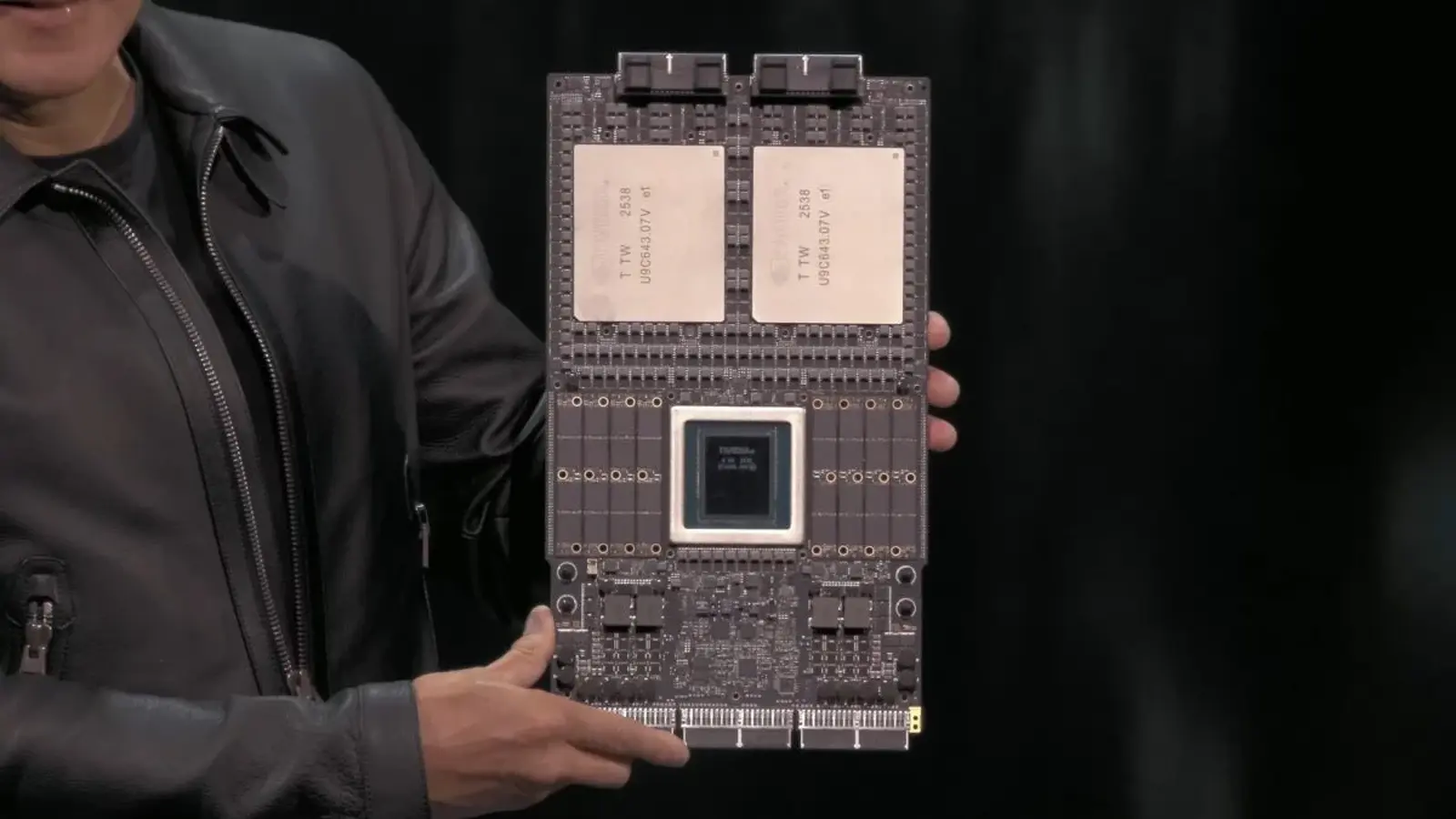
Samsung is reportedly on the verge of clearing a major hurdle for its next‑generation HBM4 memory, moving from samples and qualification into full-scale manufacturing that could supply Nvidia’s upcoming Rubin AI processor and other accelerator makers.
Why HBM4 matters for AI
High‑bandwidth memory (HBM) stacks multiple DRAM dies vertically to deliver far higher throughput and lower power per bit than conventional DDR or LPDDR modules. For AI accelerators—where massive model weights and activations must be shuffled quickly—HBM is a crucial enabler of performance. HBM4 represents the latest generational leap in bandwidth and efficiency, and chipmakers are racing to pair it with flagship processors.
After lagging behind rivals in earlier HBM generations, Samsung’s HBM4 effort signals a comeback. Industry reports suggest these new chips may outperform competing parts from SK Hynix and Micron, which would be a big strategic win given how critical memory performance is to modern AI workloads.

Approval, timeline and what’s next
Bloomberg reports that Samsung sent HBM4 samples to Nvidia in September 2025 and that the parts have reached the final stage of qualification. Mass production is expected to begin in February 2026. If that timetable holds, Samsung could quickly become a supplier not only to Nvidia but also to other AI accelerator customers such as AMD and Google.
Samsung’s path hasn’t been smooth. Its HBM3 and HBM3E generations ran into performance issues, forcing redesigns to secure Nvidia’s sign‑off. Some HBM3E parts were only deployed in select Nvidia accelerators sold in China, underscoring how tight vendor qualification can be. With HBM4 reportedly cleared for final approval, Samsung appears to have solved those earlier problems.
Will Samsung’s HBM4 change the memory landscape? Potentially. A successful HBM4 ramp would strengthen Samsung’s position in a market long dominated by SK Hynix and Micron, and it could influence the supply chains behind next‑generation AI chips like Nvidia’s Rubin. For AI developers and hardware partners, more high‑performance memory options mean stronger competition and better chances of meeting the growing demand for training and inference capacity.
Keep an eye on February 2026: if mass production begins as reported, the HBM4 era will move from labs and samples into the data centers that power modern AI.
Source: sammobile



Leave a Comment