
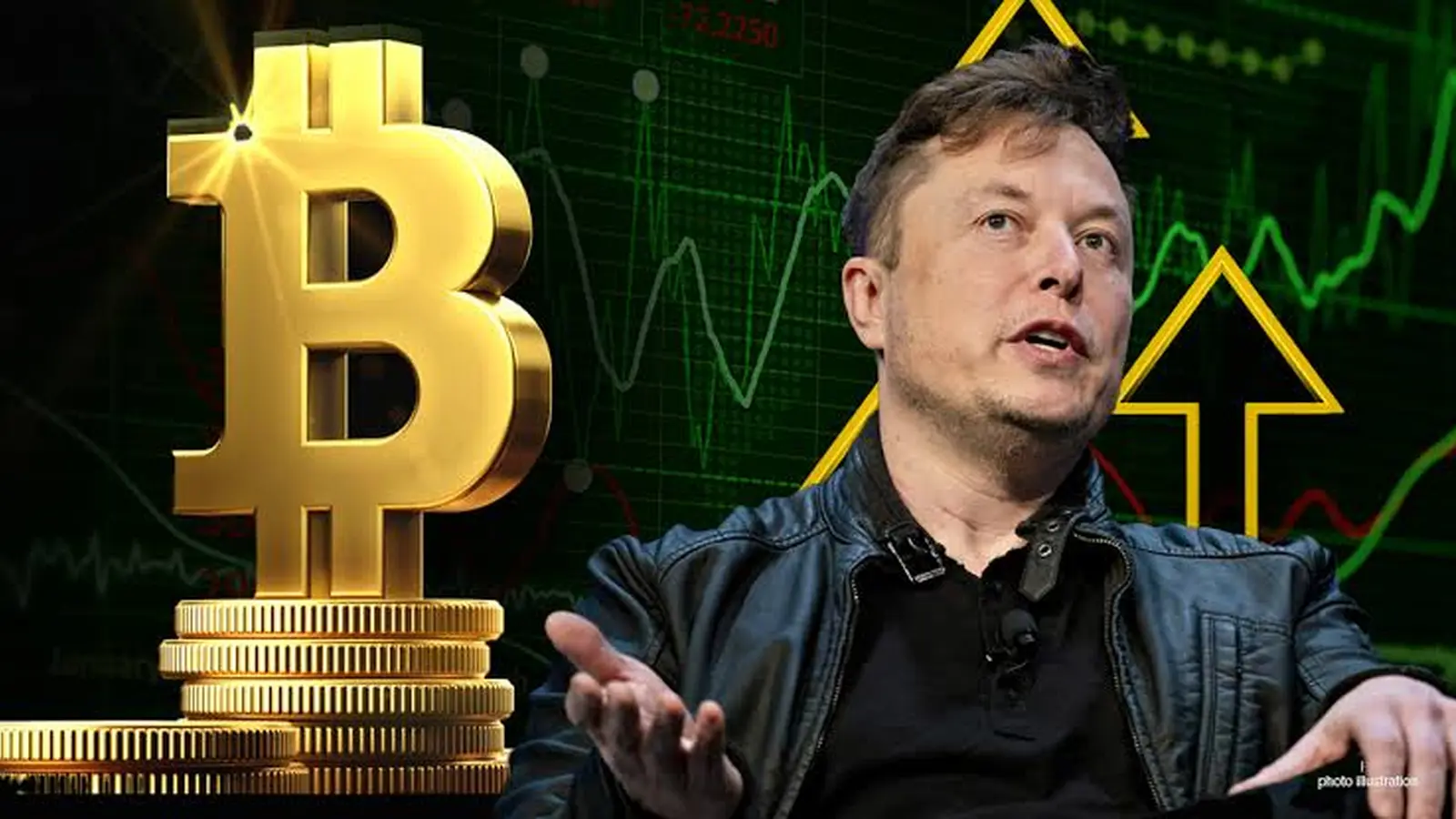
Elon Musk frames Bitcoin as an energy-based, inflation-resistant asset
Billionaire entrepreneur and Tesla CEO Elon Musk recently highlighted Bitcoin's unique economic design, arguing that the cryptocurrency's proof-of-work model ties value to real-world energy consumption and thereby offers protection against fiat currency dilution. Musk's comments came amid broader analyst debate that government spending to accelerate artificial intelligence development could spur increased fiat issuance — a trend some observers say benefits scarce digital assets like Bitcoin and traditional stores of value such as gold and silver.
In a post on X, Musk emphasized Bitcoin’s energy link and suggested this characteristic helps it resist inflationary pressures driven by monetary expansion. He framed the mechanism as difficult to counterfeit: while governments have historically expanded money supplies, energy usage underlying Bitcoin mining cannot be faked, he argued.
Why energy matters in Bitcoin’s design
Bitcoin’s proof-of-work (PoW) consensus requires miners to expend computational effort — and, consequently, energy — to validate transactions and secure the network. This ties BTC issuance to measurable energy costs, a quality proponents say makes the supply schedule and minting process inherently different from fiat currencies that can be increased at will through central bank policy.
Analysts linking recent momentum in cryptocurrencies and precious metals point to what they call a government-driven “debasement” scenario, where massive public investment in the AI arms race could prompt higher fiscal spending and monetary accommodation. In such an environment, investors often look for assets that can potentially preserve purchasing power, including Bitcoin, gold, and silver.

Context: Musk’s crypto commentary and the legacy of FTX
Tuesday’s message marked Musk’s most substantive Bitcoin-related public statement in nearly three years. In November 2022, shortly after the collapse of FTX and Alameda — events that precipitated a major crypto market downturn — Musk warned that the industry might face a prolonged downturn. At the time he noted that Bitcoin could recover but predicted a potentially long winter following the exchange’s failure and the loss of billions in investor funds.
The FTX collapse, driven by the misappropriation of customer assets, is widely cited as a primary trigger of the subsequent bear market. Yet macro developments and renewed interest in digital assets have kept Bitcoin in investor conversations, especially given its finite supply and decentralized issuance rules.
Environmental questions and Tesla’s stance
Musk’s praise of Bitcoin’s energy-based model sits alongside his long-standing concerns about the environmental footprint of mining. In May 2021, Tesla temporarily suspended Bitcoin payments for vehicle purchases, citing the mining network’s heavy reliance on fossil fuels. That announcement briefly pressured BTC prices and underscored renewable energy as a focal point for sustainability debates within crypto.
Tesla has retained most of its Bitcoin holdings but has not yet resumed BTC payments. Musk previously said the company would reinstate Bitcoin transactions if mining’s share of renewable energy reached a stated threshold — he mentioned 50% clean energy usage as a condition.
Recent industry research suggests Bitcoin mining’s sustainable energy mix has improved, with some models estimating renewables now contribute over 55% of the network’s energy use. These figures are tracked and modeled by climate tech analysts and Bitcoin researchers, who use them to inform conversations about the network’s long-term environmental profile and regulatory scrutiny.
What this means for crypto investors and markets
Musk’s remarks add a high-profile voice to ongoing debates: Is Bitcoin best described as digital gold, an inflation hedge, or an energy-linked monetary innovation? For investors watching macro policy, central bank actions to fund strategic initiatives — including AI development — could increase interest in assets perceived as limited in supply or difficult to replicate. That dynamic may continue to shape crypto market flows, volatility, and long-term adoption trends.

“I cover automotive innovation, electric vehicles, and the future of mobility — where technology meets sustainability.”

Discussion
Leave a Comment