
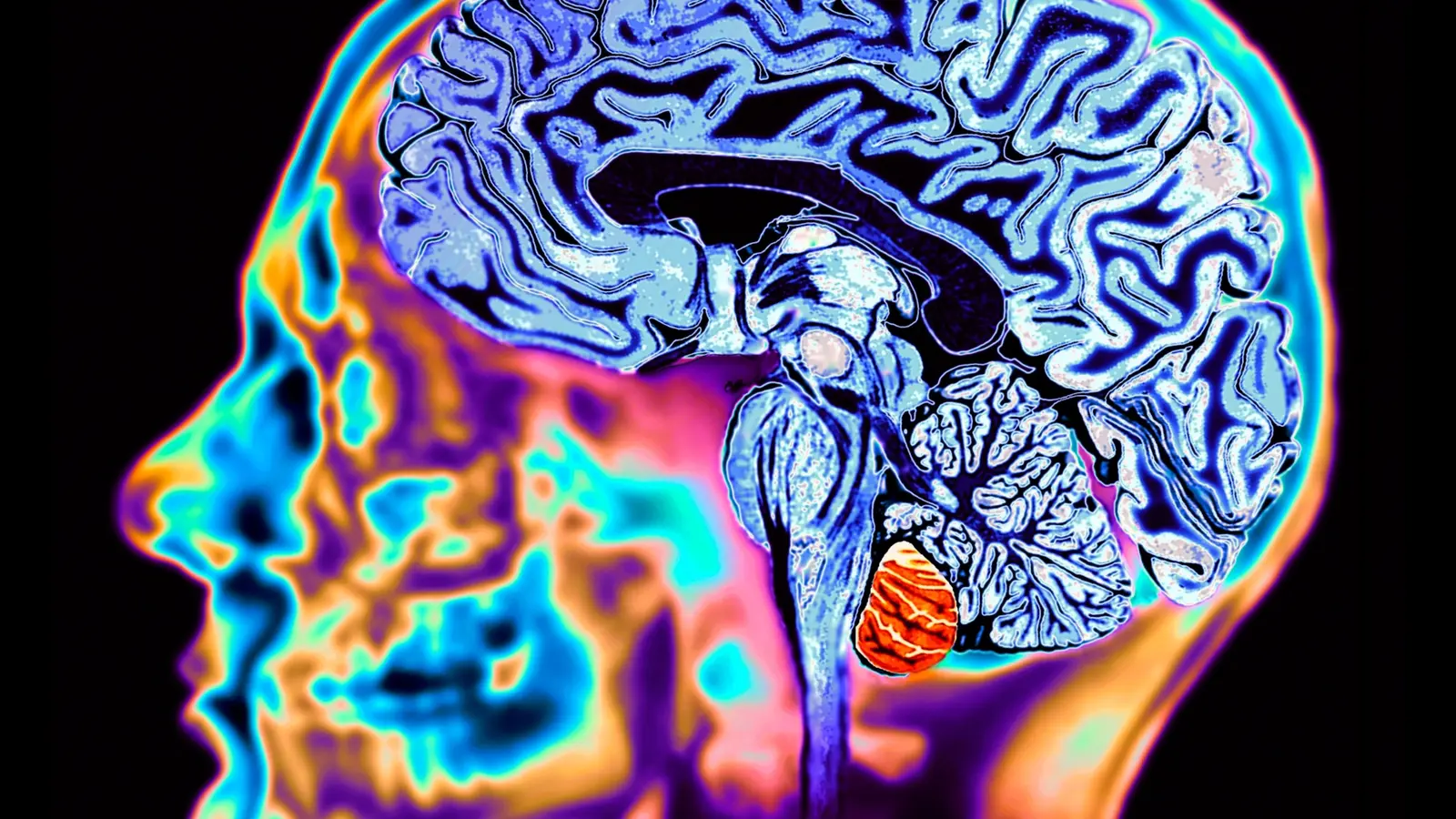
New large-scale research from the University of Cambridge links menopause to subtle but widespread changes in brain structure, higher rates of mood symptoms, and sleep disturbance. The study uses cognitive testing and MRI scans to map how menopause — and the use of hormone replacement therapy (HRT) — relate to memory, reaction time, anxiety and depression.
How the researchers approached the question
The team analyzed data from nearly 125,000 women in the UK Biobank, making this one of the largest population studies to examine menopause, brain structure and mental health together. Participants were sorted into three groups: pre-menopausal women, post-menopausal women who never used HRT, and post-menopausal women who had used HRT. Questionnaires assessed mood, sleep and health history, while cognitive tests measured memory and reaction time. Crucially, around 11,000 women also had MRI brain scans, permitting direct comparison of brain anatomy across groups.
Average age at natural menopause in the sample was about 49.5 years. Women who took HRT typically began treatment near that age. The study combined self-reported symptoms, prescription records and objective measures — an approach that strengthens findings by linking lived experience to measurable brain differences.

Key findings: mood, sleep and cognitive speed
Post-menopausal women were more likely than pre-menopausal women to have sought medical care for anxiety or depression and to report higher depressive symptoms on questionnaires. They also reported more sleep disruption: higher rates of insomnia, shorter sleep duration and ongoing fatigue. Interestingly, women who had used HRT initially appeared to show greater anxiety and depression, but further analysis suggested those mental health differences often existed before menopause — implying some women started HRT because they already had symptoms that might worsen around menopause.
On cognitive tests, memory scores were broadly similar across groups, but reaction time showed a pattern consistent with accelerated age-related slowing after menopause. Women who were post-menopausal and not on HRT had slower reaction times than pre-menopausal women; those who had used HRT exhibited a smaller decline in reaction speed. In other words, HRT did not prevent structural brain differences but was associated with a modest preservation of processing speed.
Brain scans reveal targeted grey matter loss
Analyses of MRI data revealed reductions in grey matter volume in several key regions among post-menopausal women, whether or not they had taken HRT. Grey matter contains neuronal cell bodies and is fundamental for processing information, forming memories and regulating emotion and attention.
Three areas showed the most notable differences:
- The hippocampus — central to forming and retrieving memories.
- The entorhinal cortex — a gateway region between the hippocampus and wider brain circuitry that supports navigation and memory encoding.
- The anterior cingulate cortex — involved in emotion regulation, decision-making and attention control.
These regions are also among those affected early in Alzheimer’s disease, raising concern that menopause-related changes could contribute to later vulnerability. Professor Barbara Sahakian, the study’s senior author, notes that the overlap with brain areas linked to dementia may partly explain why dementia prevalence is higher in women than men.
Scientific context and implications
Menopause is defined by the permanent end of menstrual cycles and a substantial decline in circulating estrogen and progesterone. These sex hormones influence brain chemistry, blood flow and synaptic function, so it is biologically plausible that their decline could alter brain structure and function. Prior small studies and animal research hinted at cognitive and mood effects around menopause; this UK Biobank analysis scales those observations to a much larger, population-level context.
Importantly, the study does not prove that menopause causes dementia or that HRT definitively prevents cognitive decline. Rather, it documents associations: menopause is linked with grey matter reductions in memory- and emotion-related brain regions, higher rates of mood symptoms and worse sleep, while HRT is associated with a reduced slowing in reaction time. These patterns highlight a window for clinical awareness and further research into timing, formulations and individual risk.
Expert Insight
Dr. Elaine Carter, a fictional neuroendocrinologist and science communicator, comments: "This study provides powerful population-level evidence that the menopausal transition can coincide with measurable brain changes and increased mental health symptoms. Clinically, it underlines the importance of holistic care — assessing sleep, mood and cognition together — and tailoring HRT decisions to each woman’s history and risks. Future trials should explore whether specific HRT regimens, lifestyle interventions or cognitive training could preserve brain health during this vulnerable period."
Practical takeaways for health and lifestyle
The researchers stress that most women will experience menopause and that many symptoms are manageable. Lifestyle measures known to support brain health — regular physical activity, balanced diet, quality sleep, social engagement and management of cardiovascular risk factors — are particularly relevant during midlife. Early recognition of mood or sleep problems and open dialogue with healthcare providers can help guide treatment, whether behavioral, pharmacological or hormone-based.
Dr Christelle Langley, a co-author, emphasized the need for sensitivity: women should feel able to discuss mental health during menopause without shame and to seek help when struggling.
What remains uncertain and next steps
Several questions remain. Which aspects of HRT (timing, dose, route of administration, hormone type) might offer cognitive benefits? Do pre-existing mental health differences predict who will experience greater brain changes after menopause? Longitudinal studies tracking women across the transition and randomized trials of HRT and non-hormonal interventions will be essential to disentangle cause and effect.
For researchers and clinicians, the findings point to menopause as an important midlife event with implications for brain aging. For women and families, the message is one of vigilance and options: many interventions can help, and personalized care matters.
Conclusion
The University of Cambridge study links menopause with modest but widespread reductions in grey matter in memory- and emotion-related brain regions, higher rates of anxiety, depression and sleep problems, and slower reaction times. HRT did not prevent structural brain differences but was associated with a smaller decline in processing speed. These results underscore the need for continued research, individualized clinical care and public awareness about mental and brain health during and after the menopausal transition.

“The cosmos has always fascinated me. I write about space missions, astronomy, and the technologies pushing humanity beyond Earth.”

Discussion
Leave a Comment