
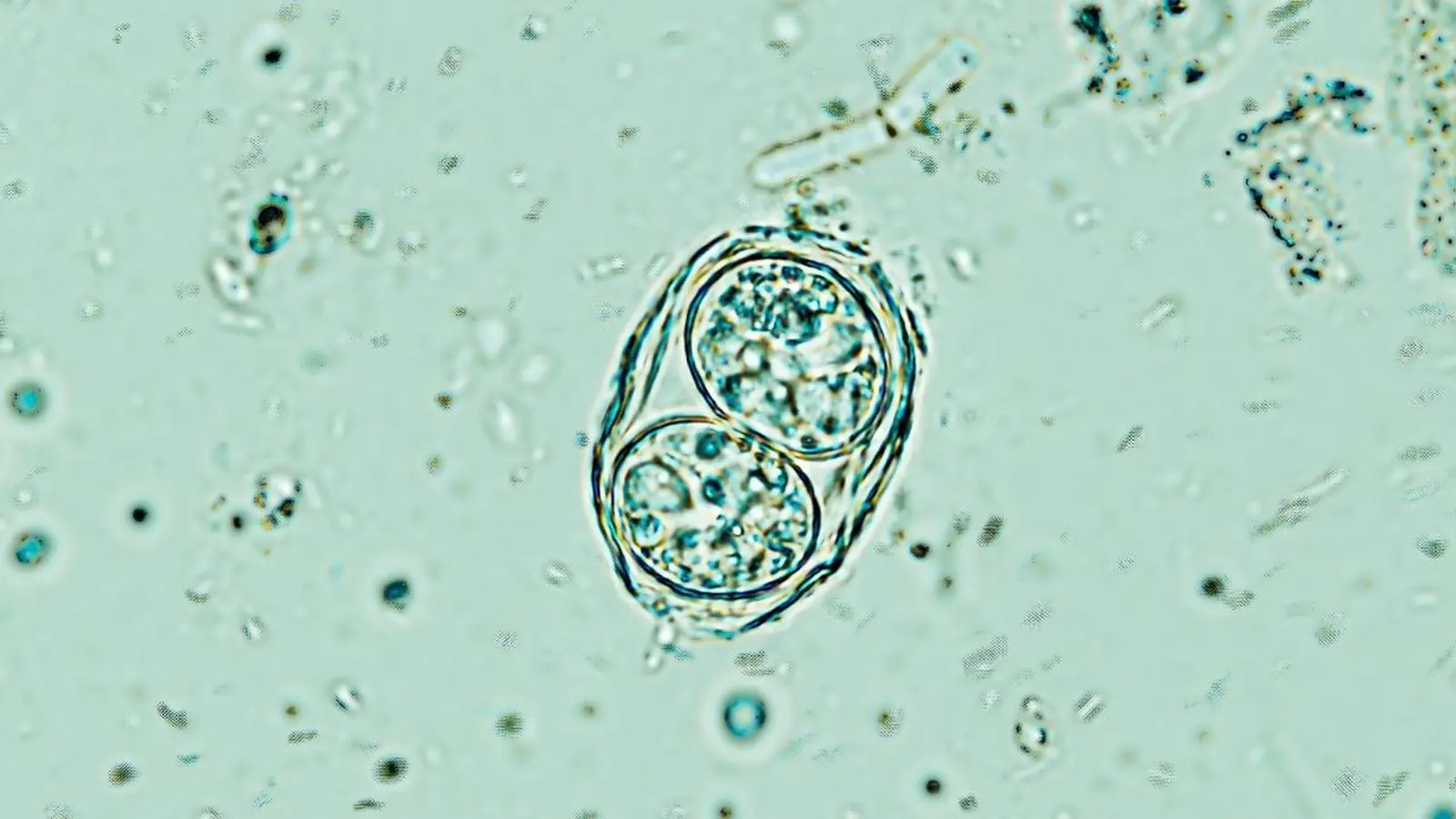
The parasite hides in plain sight. Inside the brains of mice infected for weeks, Toxoplasma gondii does not sit still; it diversifies. New research reveals that cysts recovered after 28 days contain a richer mix of parasite subtypes than those seen during the initial, acute phase of infection.
That early stage is dynamic. During the first week, parasites shift into a faster-growing mode, a sprint that helps them spread. But the story does not end with a single, tidy handoff. After that burst, many parasites move into slower-growing forms that appear specialized for maintaining cysts. The population inside a cyst is more like an ecosystem than a single species shifting through fixed steps.
Study and implications
Wilson and colleagues argue that the standard textbook view — a linear, stepwise maturation from one uniform stage to the next — no longer fits the data. Their analysis, published in Nature Communications, maps out a more complex maturation process in which multiple growth strategies coexist and change over time. In plain terms: maturation is not a straight line.

Why does this matter? Because cyst biology underpins chronic infection, immune evasion, and the potential for reactivation. If cysts host diverse parasite types with different metabolic and growth profiles, therapies designed to target a single life stage may miss important subpopulations. Vaccines and drugs that assume a rigid life cycle could therefore be less effective than hoped.
'For decades the life cycle was described far too simply,' Wilson notes, 'and our findings push the field to update its models.' The research reframes how scientists think about persistence in the brain and suggests new experimental directions aimed at mapping intra-cyst diversity and vulnerability.
As researchers rework the map of Toxoplasma's hidden phases, the hunt begins for interventions that can account for — and exploit — that diversity.

“The cosmos has always fascinated me. I write about space missions, astronomy, and the technologies pushing humanity beyond Earth.”

Discussion
Leave a Comment