
3 Minutes
Not every camera that looks impressive on paper ends up in the winners’ circle. Short answer: the Xiaomi 17 Pro Max takes outstanding stills but misses the mark where it counts for DXOMARK’s top ten.
DXOMARK gave the phone a Camera score of 159, slotting it into 13th place behind heavyweights from Huawei, Vivo, Oppo, Apple, Google, Honor and even Motorola. The breakdown shows a Photo score of 165 and a Video score of 146. Numbers don’t lie, but they don’t tell the whole story either.
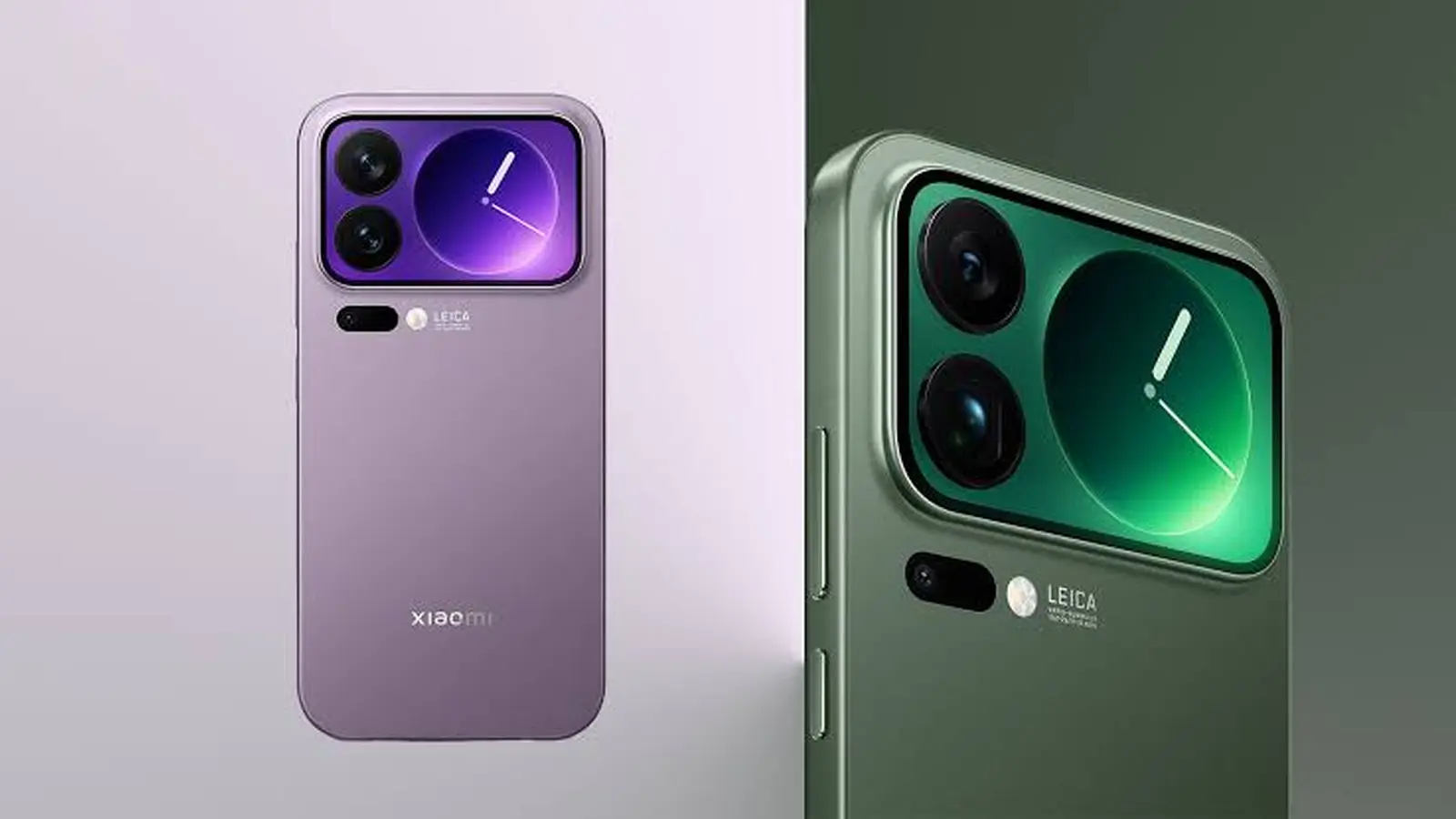
Hardware is clearly ambitious. You get a 50MP 1/1.28-inch main sensor behind a 23mm f/1.67 lens with dual-pixel PDAF and OIS, a 50MP ultra-wide at 17mm f/2.4, and a 50MP periscope telephoto that reaches roughly 115mm equivalent with stabilization. That trio sets the stage for a camera system built for detail and versatility.

In everyday shooting the phone shines. The main camera nails white balance and color in many scenes. Detail and noise feel well balanced. DXOMARK’s use-case scores underline that: 172 for outdoor daylight shots and 161 indoors. Portraits are another strong suit—skin tones look natural and facial detail reads high, which explains the 155 portrait score.
Low light is where the story gets interesting. The 17 Pro Max holds onto detail and tames noise better than many, across standard, portrait and telephoto frames. Yet, consistency isn’t perfect. Exposure can wobble between consecutive frames, and warm artificial lighting sometimes pushes an orange cast into images. Not fatal. Annoying enough to matter in a close competition.
Zoom behavior is mixed. The 5x optical periscope is an asset for longer shots, delivering clean results at reach. Medium-range zoom is less elegant: the phone often crops from the main sensor instead of switching to a dedicated mid-tele, so fine detail drops compared with rivals that make the switch sooner. Push it further and aggressive AI processing can yield textures that feel a touch synthetic.
Video, however, is the Achilles’ heel. Daylight clips benefit from solid exposure and wide dynamic range. But stabilization underperforms for a flagship; shakes are visible even in simple handheld scenarios. White-balance shifts can be obvious during transitions, and low-light video brings intrusive noise. Those issues are precisely why the video score trails the photo score.
The Xiaomi 17 Pro Max is a stills powerhouse that stumbles when the action starts moving. If you primarily shoot photos—portraits, landscapes, daylight scenes—you’ll find a lot to love. If your workflow leans toward stabilized, low-light video or seamless medium-range zoom, rival phones still have the edge.
In short: great camera hardware and standout stills, but a few practical weaknesses keep it out of DXOMARK’s top tier. Which side matters more to you?
Source: gizmochina



Leave a Comment