
4 Minutes
Pop the champagne. Samsung closed Q4 2025 with numbers that make the semiconductor world recheck its assumptions. The company posted an all-time high operating profit and its biggest quarterly revenue ever. Samsung reported operating profit of KRW 20.1 trillion on quarterly revenue of KRW 93.8 trillion.
For the year, revenue reached KRW 333.6 trillion with operating profits hitting KRW 43.6 trillion. Those totals read less like financials and more like a statement of intent: Samsung isn’t just supplying components anymore; it’s shaping the infrastructure of AI and cloud compute.
The standout performer was the Device Solutions division. Sales jumped 33% quarter-on-quarter, propelled by a red-hot Memory Business. Quarterly revenue at memory topped KRW 44.0 trillion with operating profit at KRW 16.4 trillion. Demand for conventional DRAM remained strong, while high-bandwidth memory (HBM) and enterprise SSDs added margin and momentum. Server DDR5 and enterprise storage—simple, workhorse products—were quietly very profitable.
What’s next for memory? Samsung says the AI wave will carry it into 2026. Expect HBM4 to enter the market, targeting speeds around 11.7 Gbps. DDR5, GDDR7 and other server-grade components will keep filling racks in data centers, while NAND sales are forecast to climb as storage needs balloon.
Mobile Experience (MX) and Networks produced KRW 29.3 trillion in consolidated revenue and KRW 1.9 trillion in operating profit for Q4. Tablets and wearables remained steady, and flagship phones helped the unit post a double-digit annual profit. Yet smartphone shipments dipped in the quarter—no surprise, given Samsung’s product cadence. The Galaxy S26 series is slated for Q1 2026 and the company is banking on AI-focused features and ever-slimmer, lighter designs—foldables likely included—to rekindle growth.

System LSI had a tougher quarter. Seasonal softness pinched profits, even though sensors performed well: 200MP and 50MP camera units pushed revenue upward. Samsung expects that trend to reverse in Q1 2026 as demand for high-resolution sensors ramps again. Chipset sales grew too, and yield stabilization suggests better margins are on the horizon.
On the foundry side, the story is unmistakably bullish. Samsung started mass production of first-generation 2nm chips in late 2025 and is already planning second-generation 2nm nodes. The roadmap also includes performance- and power-optimized 4nm offerings. That kind of silicon roadmap matters; it’s how raw demand becomes competitive advantage.
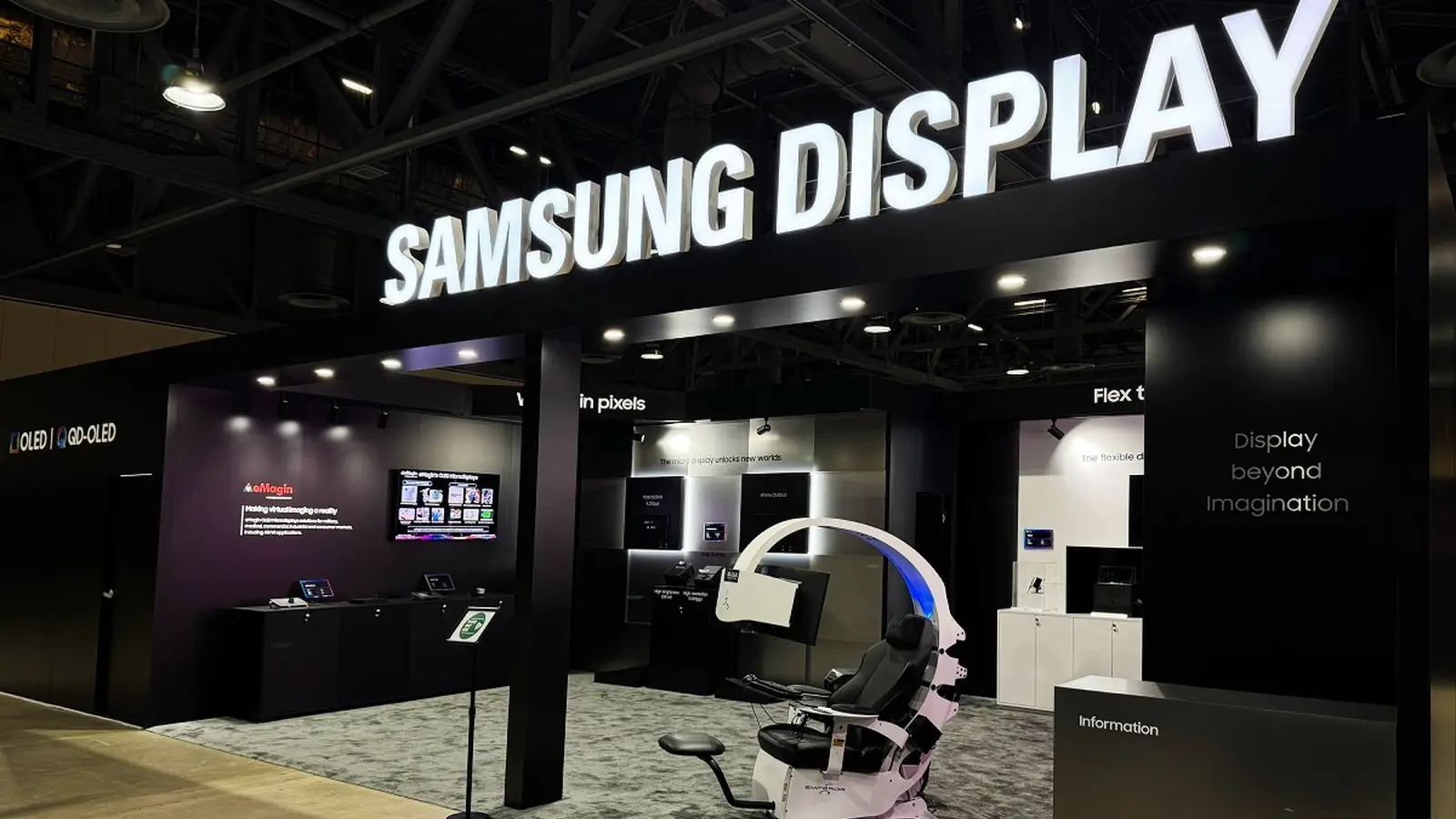
Samsung Display (SDC) reported KRW 9.5 trillion in revenue and KRW 2.0 trillion in operating profit, buoyed by strong small- and medium-sized panels for smartphones, plus higher IT and automotive sales. Large displays also contributed to growth. Still, the company sees soft smartphone-panel demand in Q1 2026 and will lean into flagship display supply and R&D for premium panels.

Visual Display and Digital Appliances combined for KRW 14.8 trillion in revenue and KRW 0.6 trillion in operating profit. Neo QLED and OLED TV sales held up, and Samsung expects elevated demand this year as consumers replace screens ahead of major sporting events like the Olympics and the World Cup.
Harman closed Q4 with KRW 4.6 trillion in revenue and KRW 0.3 trillion in operating profit. Automotive contracts with European OEMs, plus holiday-season strength in true wireless earbuds, supported the quarter. For 2026, Harman will double down on automotive digital cockpits and premium in-car audio while also pushing to grow its consumer audio business.
Samsung’s empire includes more than chips and screens—appliances and HVAC were only briefly mentioned in the release—yet the Q4 numbers make one thing clear: memory, advanced foundry nodes and premium displays are the levers Samsung will pull to turn technological demand into durable margins. Watch the HBM and 2nm ramps closely; they’re where the next cycle of compute gets wired.
Source: gsmarena


Comments
labcore
Hold up, 2nm mass production already? Is that real yield or pilot numbers dressed up... Not saying it's fake, just wanna see sustained margins before popping champagne
atomwave
wow didnt see THAT coming! Memory + 2nm ramp sounds like a full power play. If HBM4 hits 11.7 Gbps and yields hold, data centers will gobble it up. but capex?

Leave a Comment