
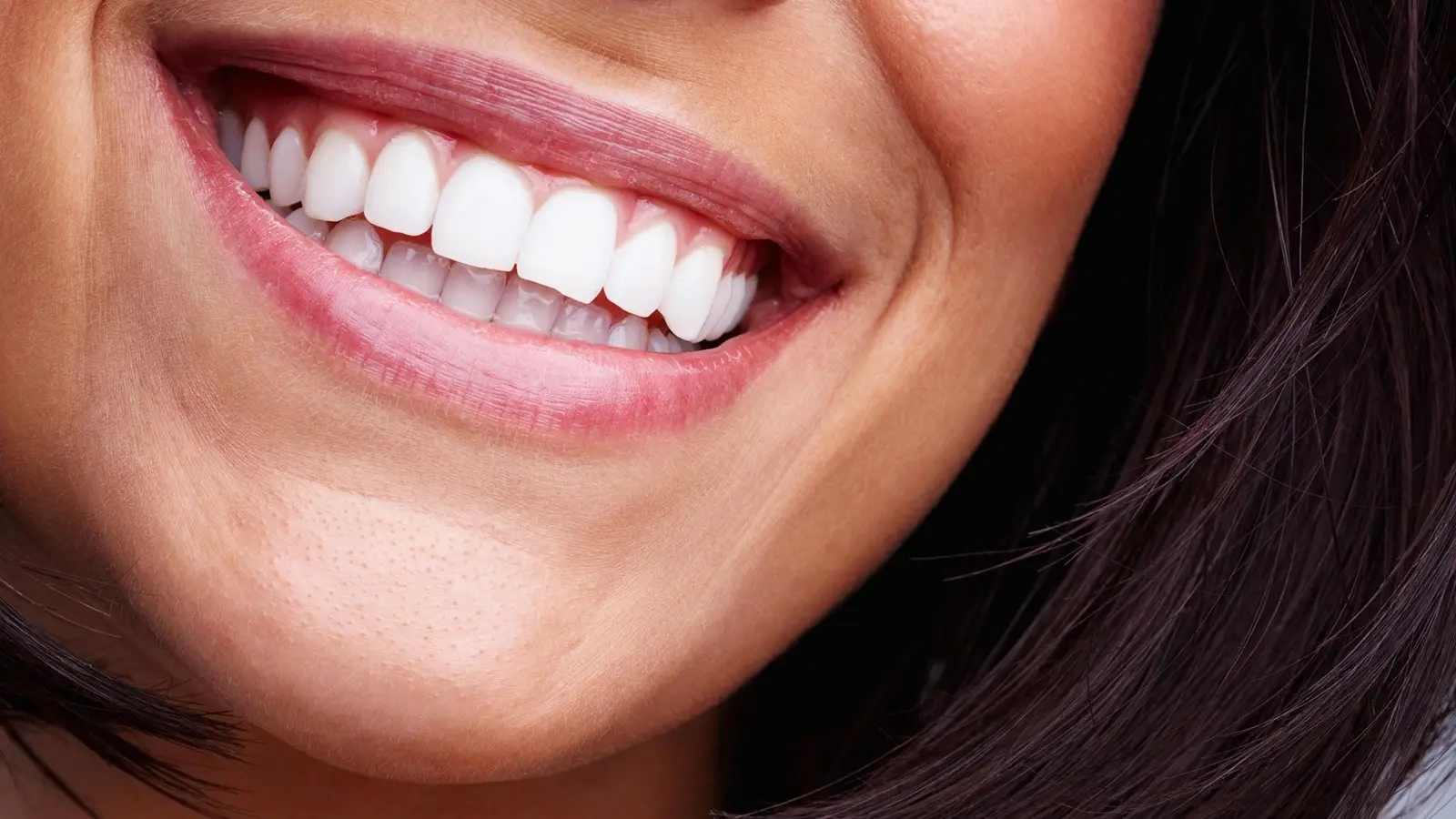
Imagine your electric toothbrush doing more than polishing — imagine it flipping a switch on chemistry. That is the premise behind a new powder that uses the vibrations of an electric brush to trigger stain-removing reactions, while simultaneously depositing minerals that help rebuild enamel and alter the oral microbiome.
Researchers have now developed a vibration-activated ceramic powder triggers stain-removing reactions while also strengthening tooth structure and influencing oral bacteria.

How a toothbrush becomes a localized chemistry lab
Most whitening systems rely on peroxide chemistry, which releases reactive oxygen species that break down pigmented molecules from coffee, tea, wine and some foods. Effective, yes. Gentle, not always. Those same reactive species can roughen or weaken enamel, leaving teeth vulnerable to new stains and other problems.
The new approach replaces continuous, baseline chemistry with a conditional one: the whitening reaction only turns on when the tooth is being vibrated. The material, called BSCT in the prototype study, is a ceramic formed from barium titanate mixed with strontium and calcium ions. Barium titanate is piezoelectric — it converts mechanical motion into tiny electrical fields. When an electric toothbrush vibrates the powder against a tooth, that faint electric pulse initiates chemical steps that produce the stain-breaking species right at the surface where they are needed.
That local activation matters. Reactions confined to moments of brushing reduce the time enamel is exposed to potentially damaging chemistry. The powder also supplies ions — strontium and calcium among them — that can redeposit as mineral on areas of lost enamel and exposed dentin, helping rebuild structure rather than remove it.
What the tests showed
In laboratory experiments on human teeth stained with tea and coffee, the vibration-triggered powder produced visible brightening after about four hours of cumulative brushing with an electric toothbrush. After twelve hours, treated teeth were nearly 50 percent lighter than matched controls brushed with saline. Those results suggest practical improvement without the continuous oxidative exposure typical of peroxide-based at-home products.
The benefits extended beyond color. On samples with artificially damaged enamel and exposed dentin, brushing with the mineral-containing powder promoted formation of new mineral deposits at the surface, a sign that the material can help restore tooth hardness and integrity rather than simply stripping stains away.
Oral bacteria and inflammation: early animal data
Moving to an animal model, researchers tested the powder on rats fed high-sugar diets. One minute of daily brushing with the powder for four weeks shifted the rats' oral microbial communities, reducing known pathogens such as Porphyromonas gingivalis and Staphylococcus aureus and lowering markers of local inflammation. Those results hint that a mechanically triggered, chemistry-on-demand system could help maintain a healthier microbial balance while whitening.
Practical hurdles and next steps
Important caveats remain. BSCT is a prototype powder, not yet formulated into a commercial toothpaste, and lab or animal results do not substitute for human clinical trials. Questions about long-term safety, abrasion, taste, and compatibility with typical toothpaste ingredients need answers. Regulatory review will require rigorous human trials that measure both whitening efficacy and potential impacts on enamel, dentin sensitivity, gum tissues and the broader oral microbiome.
There is also a design challenge: how to pair a solid ceramic powder with consumer-friendly textures and flavors while preserving the piezoelectric activation. Formulators must balance particle size, solubility of beneficial ions, and user experience so that the product is both effective and pleasant to use.
Expert Insight
'The concept is elegant because it limits chemistry to the moments when you brush, rather than bathing the mouth in reactive species all day,' says Dr. Laura Chen, a dental materials scientist not involved in the study. 'If follow-up trials confirm durable enamel repair and safe microbiome shifts in people, this could change how we think about at-home whitening — from aggressive bleaching to targeted, restorative care.'
From a consumer perspective, the idea is attractive: brighter teeth without the trade-off of weakened enamel. From a science perspective, it raises intriguing possibilities for other piezoelectric-triggered therapies where motion could be used to localize reactions in time and space. The next chapters will be shaped by human studies and the engineering needed to move a promising lab-scale powder into a stable, market-ready oral care product.

“The cosmos has always fascinated me. I write about space missions, astronomy, and the technologies pushing humanity beyond Earth.”

Discussion
Leave a Comment