
2 Minutes
It lasted barely twenty minutes. Gone from Samsung's online store and Experience Stores as if someone hit fast-forward on the retail cycle.
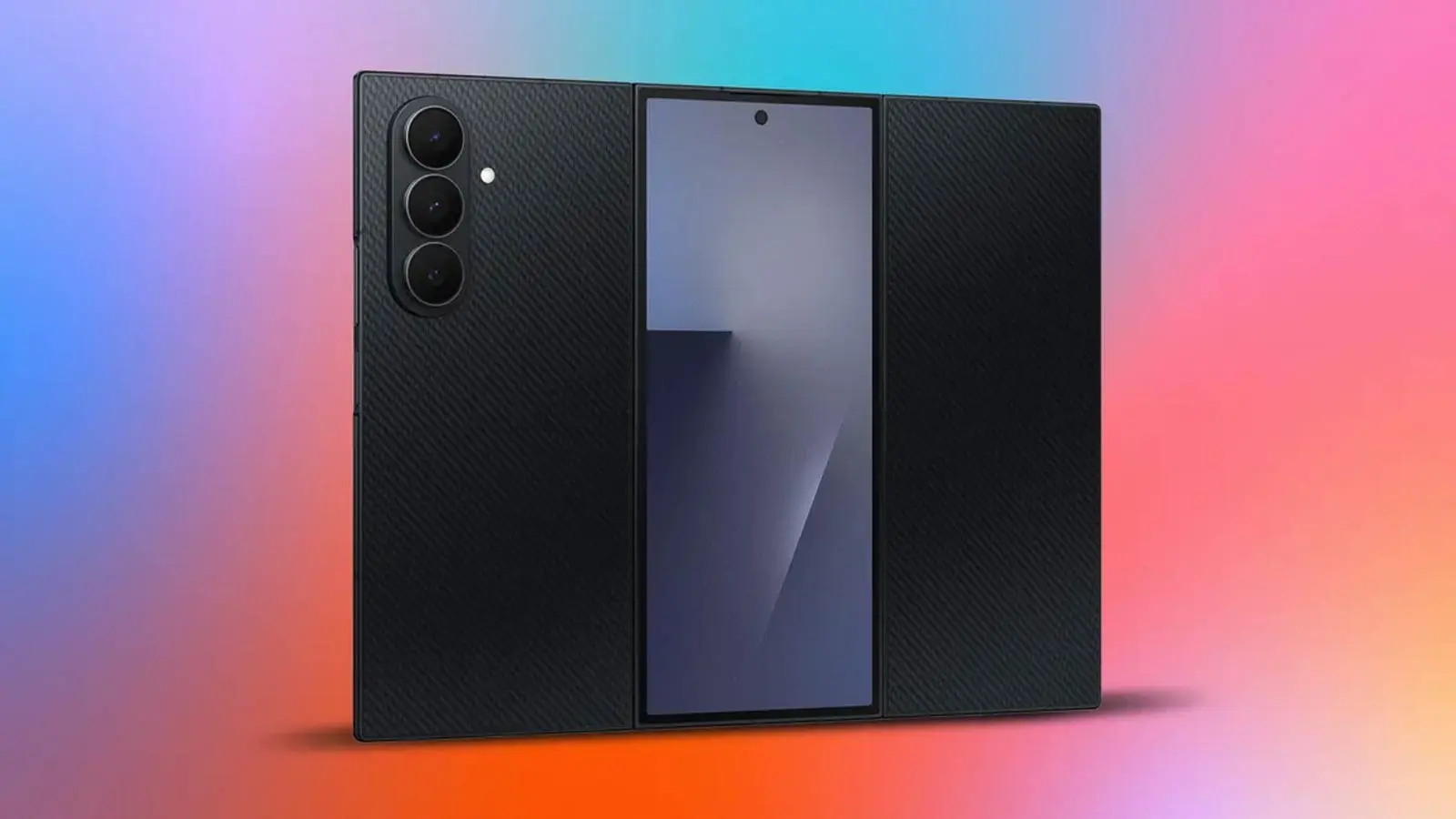
Priced at $2,899, the Galaxy Z TriFold arrived in the US today — roughly $900 more than the Galaxy Z Fold7 — and shipped in extremely limited batches. Samsung is keeping unit counts private, so what looks like feverish demand could just as easily be tight supply management.
Only one configuration was offered: Crafted Black with 512GB of storage. No alternate colors. No smaller capacities. That scarcity was mirrored in South Korea, where brief flash sales gave early buyers a narrow window to secure the device.
So who bought them? Early adopters, reviewers, and foldable-phone enthusiasts who treat hardware launches like collectible drops. Or perhaps companies and journalists aiming to evaluate what Samsung calls a “technology showcase.”
Samsung itself frames the TriFold as a showcase piece, and reports suggest the company is subsidizing the launch — selling advanced hardware at a loss to drive interest and learn from real-world usage.
The TriFold’s rapid sell-out raises familiar questions: is novelty worth a near-$3,000 price tag? Will Samsung expand availability, or keep the rollout deliberately scarce to stoke demand? Expect more controlled releases rather than a sudden flood of inventory.
For anyone tracking the evolution of foldables, the TriFold is a milestone more than a mainstream product—an experiment in what next-generation phone shapes can do. Watch the reviews. Watch the supply trickle. And ask yourself: how much are you willing to pay to be on the bleeding edge?
Source: gsmarena



Leave a Comment