
3 Minutes
Samsung is about to ask a little more for the flagship experience. Short supply lines for DRAM and NAND have tightened component costs, and the company appears ready to pass some of that onto buyers rather than swallow the hit.
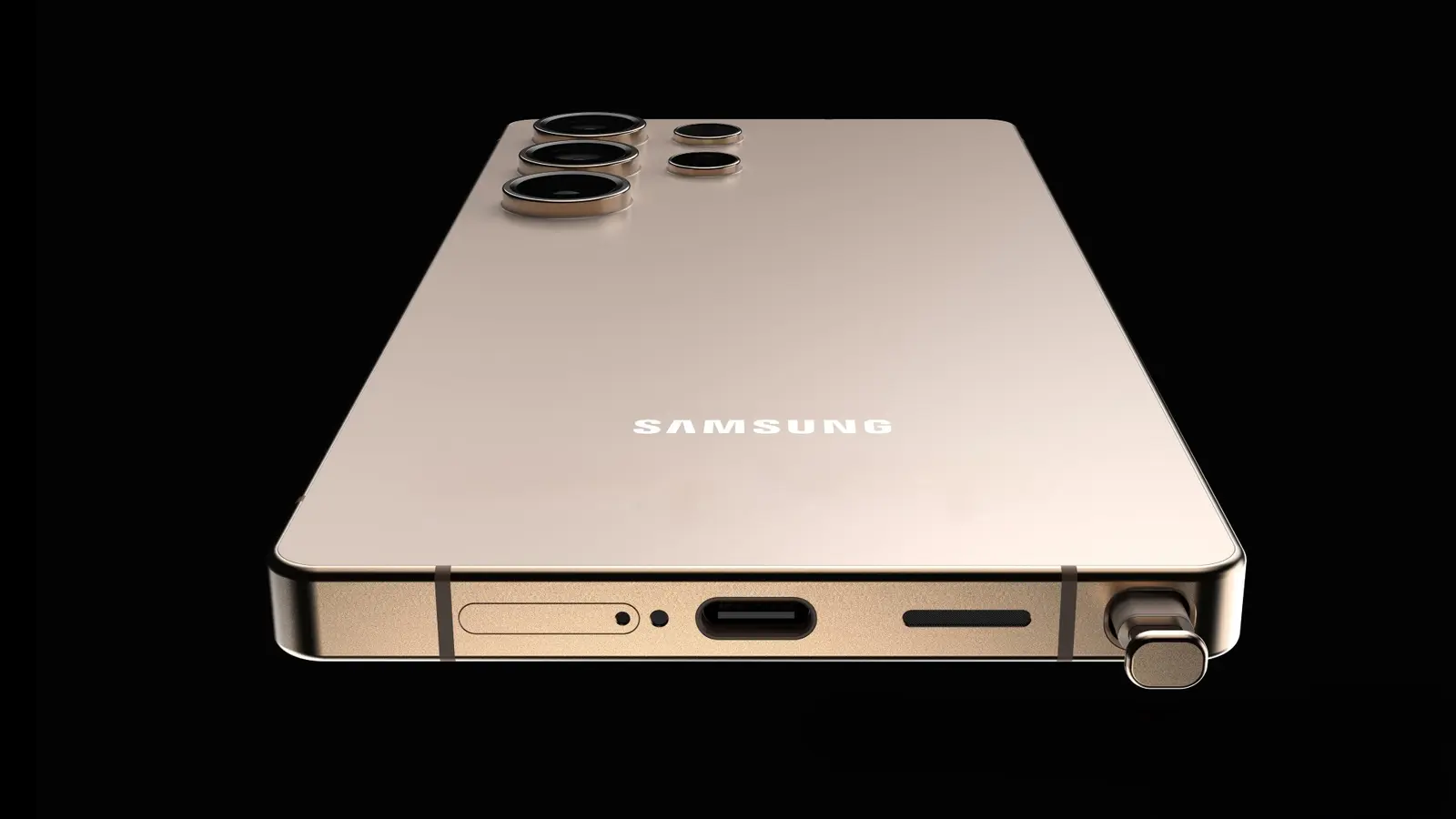
Reports from Korea suggest the Galaxy S26 Ultra will land at roughly 1.8 million won for the base model — about a 6% premium over last year’s S25 Ultra, which debuted at 1.69 million won. That kind of bump is small on paper, but it changes the conversation when you’re already weighing upgrades and trade-in deals.
So what will buyers get for the extra won? Samsung seems to be shifting emphasis away from a pure specs race and toward experiences. Expect a sharper on-device AI layer, a tuned version of the Snapdragon 8 Elite Gen 5, and a revamped camera sensor designed to sell stories, not just megapixels. Those are the features Samsung is betting will convince customers to pay more.
The memory shortage is real. Even Samsung’s co-CEO has acknowledged that no one is immune to the pressure on DRAM supplies. With NAND prices also creeping up, squeezing margins is harder than it used to be. Samsung has precedent: it already raised prices on the Galaxy Book 6 Pro family, signaling that the company will tolerate higher retail tags rather than erode product profitability.
Samsung will also lean on marketing muscle. Bundles, early-buyer discounts, earbuds, and power banks have historically softened sticker shock and broadened appeal. These incentives will vary by market, but they’re part of a coordinated play to keep shipment volumes healthy as the firm looks to regain momentum after losing the top spot in global smartphone shipments to Apple.
Expect a roughly 6% price increase at launch in South Korea, paired with AI-driven features, a modest SoC upgrade, and camera improvements aimed at real-world value rather than spec sheets.
Ultimately, Samsung is betting that smarter software and a better camera will justify a higher price tag. Whether consumers agree will shape how the Galaxy S26 Ultra performs in a market that’s increasingly sensitive to both innovation and cost — and that’s a story worth watching when the phones hit shelves.
Source: wccftech



Leave a Comment