

UAE-backed investor acquired near-half stake in Trump-linked crypto startup
An Abu Dhabi investment vehicle backed by Sheikh Tahnoon bin Zayed Al Nahyan quietly agreed in January 2025 to buy a 49% stake in World Liberty Financial (WLFI) for $500 million, according to documents and people briefed on the transaction. The deal — executed days before Donald Trump returned to the White House — has heightened scrutiny across crypto regulation, national security and token governance debates.
How the purchase was structured
The reported agreement shows Aryam Investment 1, a Tahnoon-linked entity, became World Liberty’s largest outside shareholder after paying roughly half of the agreed price up front. About $250 million was due as the purchase price; sources say $187 million was transferred to Trump family-controlled entities immediately, while additional tens of millions flowed to companies tied to the startup’s co-founders, including relatives of US Middle East envoy Steve Witkoff.
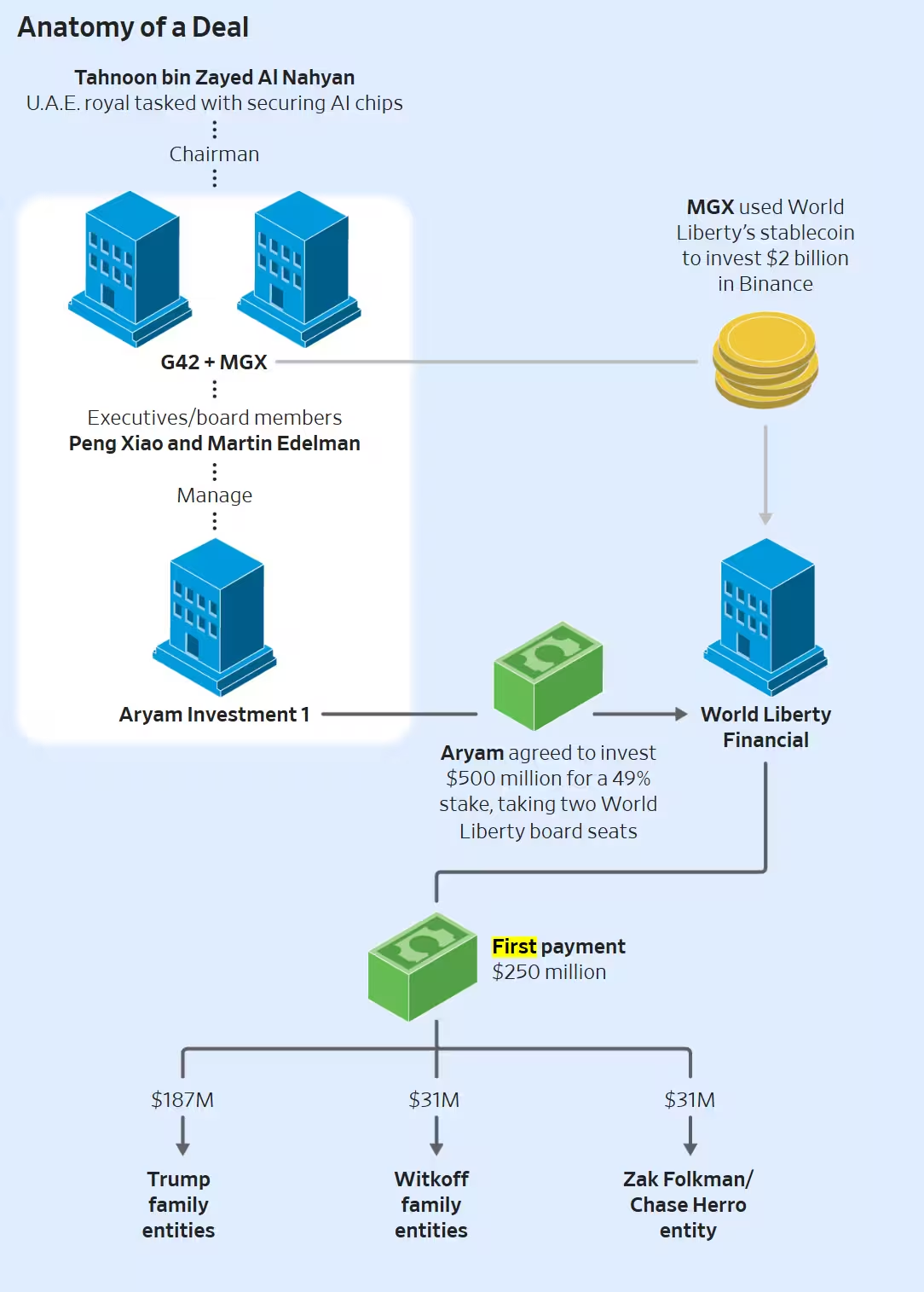
Anatomy of the deal
World Liberty later disclosed a dramatic reduction in the Trump family’s stake but did not publicly characterize the January financing in detail. The Wall Street Journal reported Eric Trump signed the agreement and that the transaction had not been formally publicized at the time.
Connections to broader UAE tech ambitions
The acquisition aligns with Abu Dhabi’s broader push to advance artificial intelligence and build strategic technology partnerships. Sheikh Tahnoon — the UAE president’s brother and national security adviser — has been central to those efforts. Under the incoming US administration, conversations accelerated about granting the UAE access to advanced US-made AI chips. Sources say negotiations and increased engagement between Tahnoon, Trump, and US officials preceded a framework for chip access.
Executives from Emirati tech firm G42 reportedly played a role in managing Aryam Investment 1 and took board seats at World Liberty as part of the transaction. The involvement of G42 and other Tahnoon-led firms underscores how crypto instruments — including stablecoins and token structures — can intersect with cross-border tech investments.
Regulatory and security concerns
Democratic senators and other lawmakers have raised alarms over WLFI’s token economics and ownership structure. In a November letter to the Justice Department and Treasury, Senators Elizabeth Warren and Jack Reed asked US authorities to probe alleged links between WLFI governance token purchases and sanctioned actors, citing blockchain addresses reportedly connected to North Korea’s Lazarus Group and entities tied to Russia and Iran.
Critics note that the WLFI ownership model routes the majority of token-sale proceeds to Trump family-linked entities, creating perceived conflicts of interest if the White House has any indirect exposure to those revenues. World Liberty and White House spokespeople have denied wrongdoing, stating the president was not involved in the private deal and that it did not influence policy.
Why this matters for crypto markets
The episode highlights several risks and themes relevant to blockchain and cryptocurrency markets: how token sale proceeds are allocated, the role of stablecoins in cross-border deal-making (including a reported $2 billion stablecoin transfer tied to Binance), and the potential national security implications when geopolitical actors gain stakes in crypto firms. As investigators and lawmakers press for clarity, the WLFI story will remain a key case at the intersection of token governance, compliance, and international investment.
For crypto investors, policymakers, and compliance teams, the deal underscores the importance of transparent tokenomics, thorough AML/KYC on token purchasers, and clear disclosures when politically exposed persons are materially involved in blockchain projects.

Discussion
Leave a Comment