
3 Minutes
A pen hovering over a screen can say more than a page of specs. Lenovo's latest teaser throws that image at you and asks a simple question: what happens when AI meets the stylus?
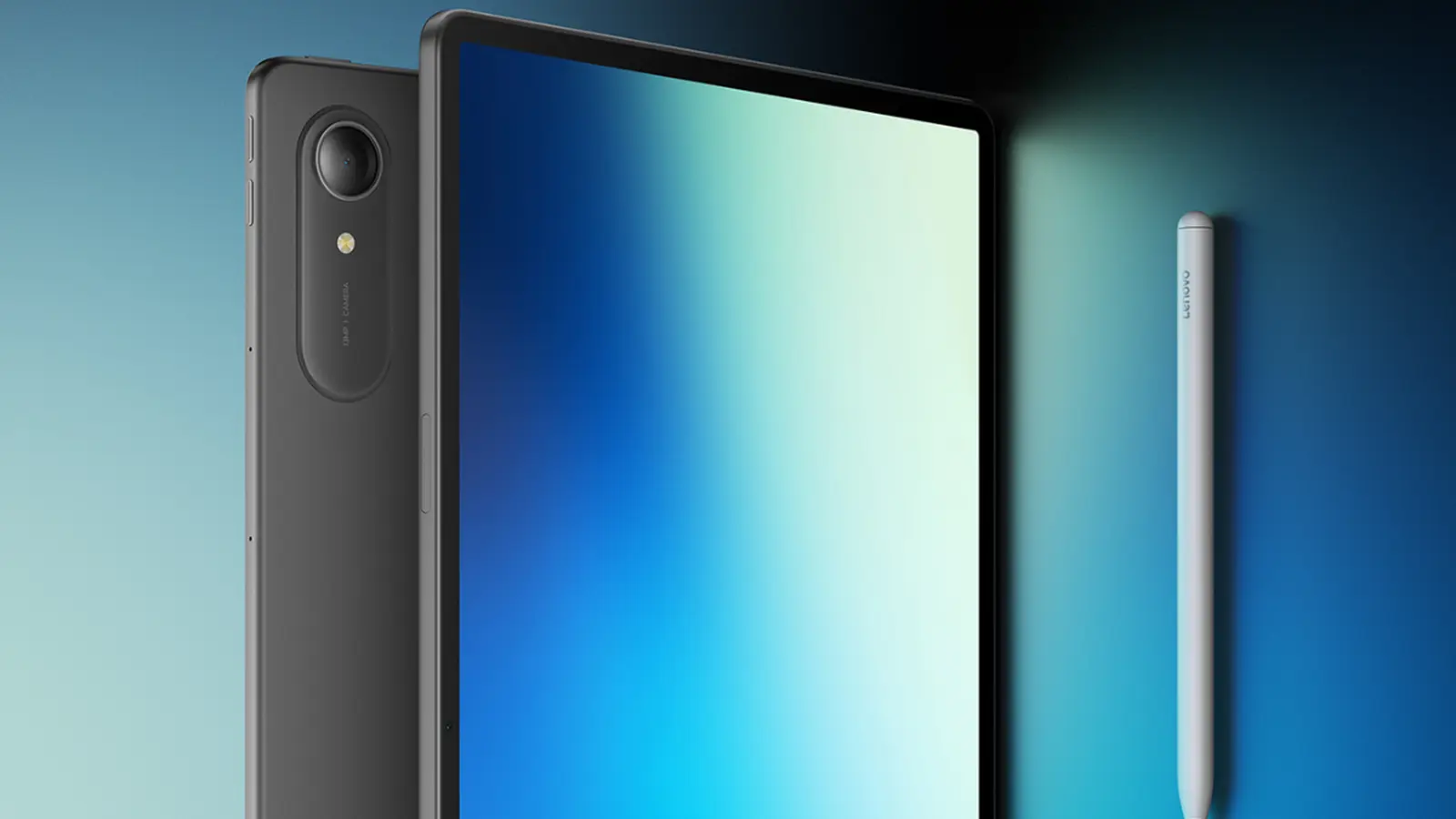
The Xiaoxin Pro 13, slated to arrive in March, skips flash and favors restraint. The teaser sketches a tablet with quad narrow bezels, a flat-edged frame with gently rounded corners, and a matte rear that looks like metal—clean, minimal, deliberate. A single 13MP camera and an LED flash sit in a low-profile, pill-shaped module at the top corner, so the tablet lies flat without wobble.
The pen shown alongside is cylindrical and straightforward. Lenovo leans into the device’s educational side with the tagline “AI smart learning, limitless with the pen.” That line hints at more than handwriting recognition. Think generative note-taking, AI-assisted explanations, and a smoother handoff between thinking and capture. Who is this for? Students, note-takers, designers, and anyone who prefers writing to tapping.

Lenovo is pitching the Xiaoxin Pro 13 as an AI-first pen device for learning and productivity.
Official spec details remain under wraps for now. But the design signals intent: a premium-feeling surface, a focus on pen ergonomics, and AI features that will likely be showcased closer to launch. Expect Lenovo to peel back those layers in the weeks before the March debut.
Lenovo didn’t stop there. The company also teased a refreshed Legion Y700 tablet, another March arrival. It will be offered in black and white and is being branded as “AI-powered gear” and the “king of small tablets,” a nod to gaming pedigree squeezed into a smaller form factor.
And if you follow Lenovo’s broader roadmap, there’s an OLED gaming laptop freshly announced too—the Legion 5i Gen 11, powered by Intel Core Ultra 9 385H. It’s a reminder that Lenovo’s push is simultaneous: AI for productivity, AI for learning, and AI for gaming.
More details are coming. Mark March on the calendar if pen-first AI tablets interest you.
Source: gizmochina



Leave a Comment