
3 Minutes
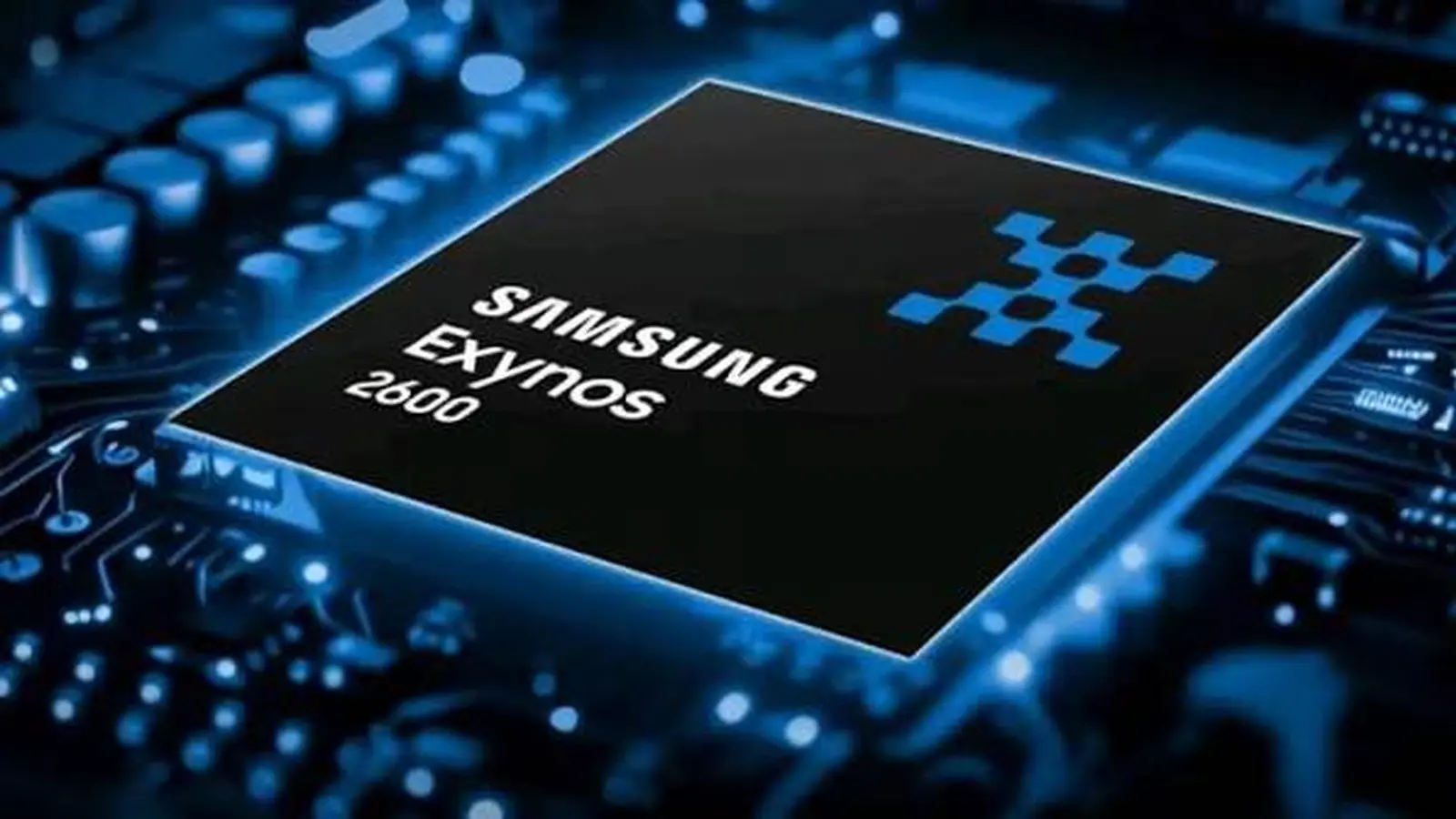
Samsung's Exynos 2600 just posted a Geekbench Vulkan score that makes you look twice. Short gap. Big implications.
In the latest Geekbench 6 Vulkan run the Exynos 2600 scored 27,478 points. Qualcomm's Snapdragon 8 Elite Gen 5 sits at 27,875 in the same test. That difference is paper-thin. For everyday users, it may be invisible.
This follows a similar pattern from January, when the Exynos 2600 hit 25,460 in Geekbench's OpenCL test against the Snapdragon's 25,971. Two separate compute benchmarks. Two close results. Coincidence? Probably not.
What do these numbers actually mean for performance? OpenCL and Vulkan both measure GPU compute, but they probe different strengths. OpenCL focuses on general-purpose parallel tasks, the kind used in image processing and some AI routines. Vulkan is a low-overhead, modern API built around efficiency for graphics and compute workloads. A strong Vulkan score usually hints at better real-world gaming and graphics throughput on mobile.

The Exynos 2600's climb looks rooted in hardware choices. This is Samsung's first mobile chip built on a 2nm gate-all-around process. Imagine wrapping the transistor gate around the channel on every side; that tighter embrace improves efficiency and cuts leakage. It is a subtle architectural change, but one with measurable results.
On the GPU front the chip pairs a custom Xclipse 960 based on AMD's RDNA 4 lineage. It's tuned for high-refresh gaming and modern graphics tasks rather than being a generic graphics core. Combine that with Samsung's packaging and cooling efforts and you get a clearer picture.
Samsung uses Fan-Out Wafer-Level Packaging and a Thermal Block design that places a copper heatsink in direct contact with the die. Samsung claims a 16 percent reduction in thermal resistance. Less resistance means the chip can sustain higher clocks for longer without throttling.
If these benchmark figures translate to shipping Galaxy S26 units, Samsung may have finally closed a competitive gap that has lingered for years.
Still, benchmarks are one slice of truth. Real-world battery life, sustained thermals in everyday apps, and software optimization across Samsung's ecosystem will decide whether the Exynos 2600 is a serous challenger. Expect the final verdict to arrive when reviewers get their hands on Galaxy S26 hardware and start running long gaming sessions, camera loads, and mixed workloads.
Either way, the mobile GPU race just got more interesting.
Source: gizmochina



Leave a Comment