
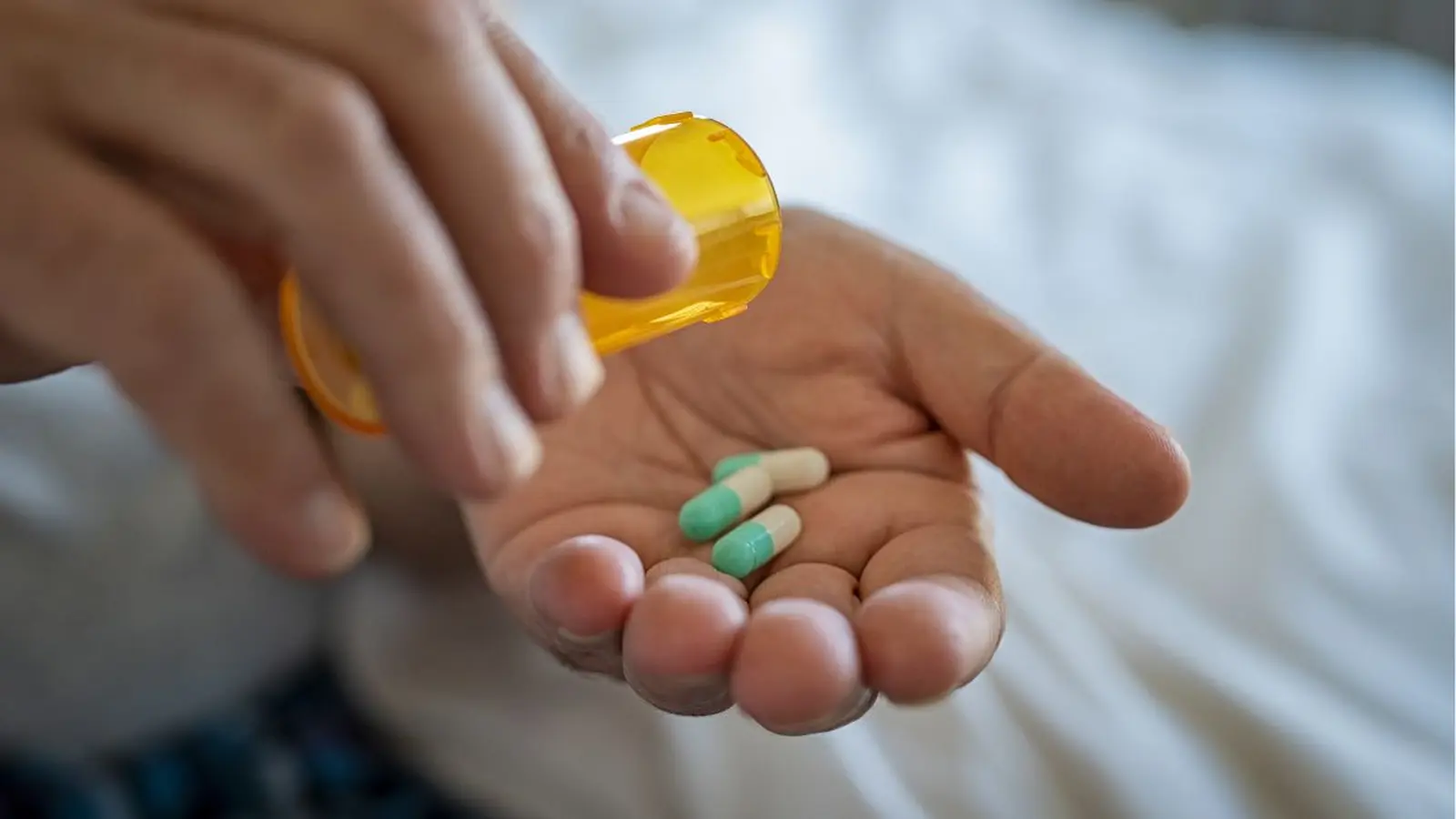
The idea of controlling stubborn, artery-clogging cholesterol with a simple tablet is suddenly less science fiction and more near-term reality. A large randomized study released in the New England Journal of Medicine shows an experimental oral drug substantially cuts low-density lipoprotein (LDL) cholesterol — the kind doctors call "bad" cholesterol — in patients who still have high levels despite taking statins.
Statins remain the backbone of cholesterol therapy because they blunt the liver's production of cholesterol. But for many high-risk patients, even high-dose statins fail to reach guideline targets. Until now, the most powerful add-on options were injections that disable a liver protein called PCSK9, enabling the body to clear LDL more efficiently. Those shots work, but they are given by injection, have been costly, and are underused.
The trial and what it found
More than 2,900 people already at elevated risk for cardiovascular events were randomized to receive either a daily oral pill — enlicitide — or a placebo, in addition to their usual statin therapy. Over six months, patients who took enlicitide experienced LDL reductions of up to about 60 percent. The effect persisted with only modest attenuation over roughly a year, and investigators reported no clear safety signal compared with placebo in this timeframe.
Those numbers put enlicitide in the same league as existing PCSK9 inhibitors, at least for the surrogate endpoint of LDL lowering. "There are oral options to add to statins, but none come close to the degree of LDL lowering that we see with enlicitide," said Dr. Ann Marie Navar, the study's lead author and a cardiologist at UT Southwestern Medical Center. Merck funded the trial and is pursuing regulatory approval; the drug has been accepted into an FDA program that accelerates review.
There are caveats. The pill must be taken on an empty stomach. And while a large drop in LDL is promising, it is not the same as proven reductions in heart attacks, strokes, or deaths — the outcomes that really matter. Demonstrating those benefits typically requires far larger and longer trials. Merck is already running a cardiovascular outcomes trial enrolling more than 14,000 patients to answer exactly that question.

A build-up of plaques in arteries is a top risk factor for heart attacks.
Why this matters and what's next
Why would a pill change the landscape? Because oral medicines are generally easier to prescribe, easier for patients to accept, and cheaper to administer in routine clinical practice than injections. Even with recent price reductions, PCSK9 shots remain underutilized; many eligible patients never receive them. If enlicitide delivers comparable LDL reductions and is ultimately shown to cut cardiovascular events, it could expand access dramatically.
Still, experts urge caution. Dr. William Boden of Boston University and the VA New England Healthcare System described the results as compelling for LDL reduction, but emphasized that cardiovascular-event data are not yet available. Translating biomarker success into fewer heart attacks is not automatic. History reminds us that strong effects on surrogate markers don't always equal clinical benefit. Time — and larger trials — will tell.
For clinicians, the immediate takeaway is measured optimism. Enlicitide represents a potentially transformative addition to the lipid-lowering toolkit: a once-daily, oral option that rivals injectable therapies in lowering LDL. For patients, it offers hope: a future in which overcoming stubborn high cholesterol might require only swallowing a pill, not scheduling injections.
The FDA fast-track designation speeds assessment but not the science; outcome trials remain essential. Keep an eye on the results from the ongoing large study — they will determine whether the dramatic LDL drops translate into lives saved.

“My work centers on sustainability, energy, and environmental science — examining how innovation can lead to a greener future.”

Discussion
Leave a Comment