
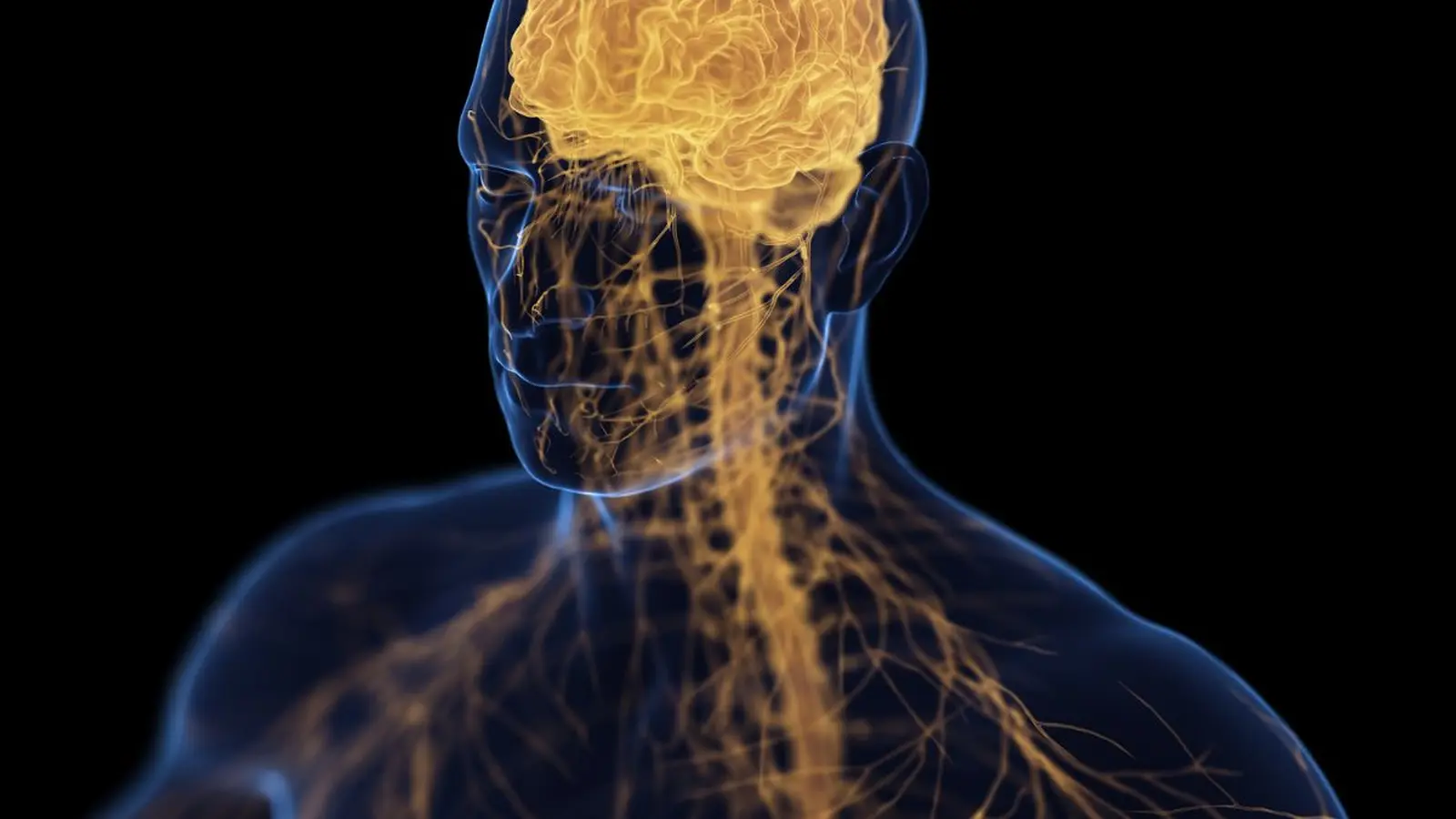
What if your bones were sending mood signals to your brain? Recent research suggests they might. Scientists now describe a two‑way conversation between skeletal tissue and neural circuits — a bone‑brain axis that could explain why depression and osteoporosis often occur together.
Evidence is accumulating that molecules released by bone cells influence brain chemistry. The reverse also appears true: chronic stress, low mood, and altered neural signaling can change bone remodeling and density. That reciprocal relationship helps make sense of clinical observations that people with severe depression are at higher risk of fractures and bone loss. It’s not just correlation; emerging biology points toward causation.
Interest is growing in how lifestyle and targeted therapies could interrupt this feedback loop. A 2025 review highlighted the ability of exercise to activate the bone‑brain axis, producing biochemical and neuroprotective effects that may ease neurodegenerative processes, strengthen bone, and lift mood. Li, Gao, and Zhao — authors of a recent Biomolecules paper — argue that we should begin testing interventions aimed specifically at the axis: tailored exercise regimens, neuromodulation techniques, or pharmacology that modulates bone‑derived signals.

Scientific context and clinical implications
Translating the concept into practice will require careful clinical trials. Short pilot studies can evaluate whether axis‑focused programs reduce depressive symptoms while improving bone markers and fracture risk. Which bone‑secreted factors matter most? Can noninvasive brain stimulation or molecules that mimic mechanical loading of bone alter mood circuits? Those are the questions researchers want answered.
Li and colleagues urge clinicians to recognize the interplay between mental and skeletal health now, even as definitive trials are underway. That shift could encourage more holistic care: combining psychiatric assessment with bone health screening and prescribing exercise not merely for fitness but as a targeted intervention. The science is still young. But the possibilities are clear: treating body and mind together might finally give two stubborn conditions a fighting chance.

“The cosmos has always fascinated me. I write about space missions, astronomy, and the technologies pushing humanity beyond Earth.”

Discussion
Leave a Comment