
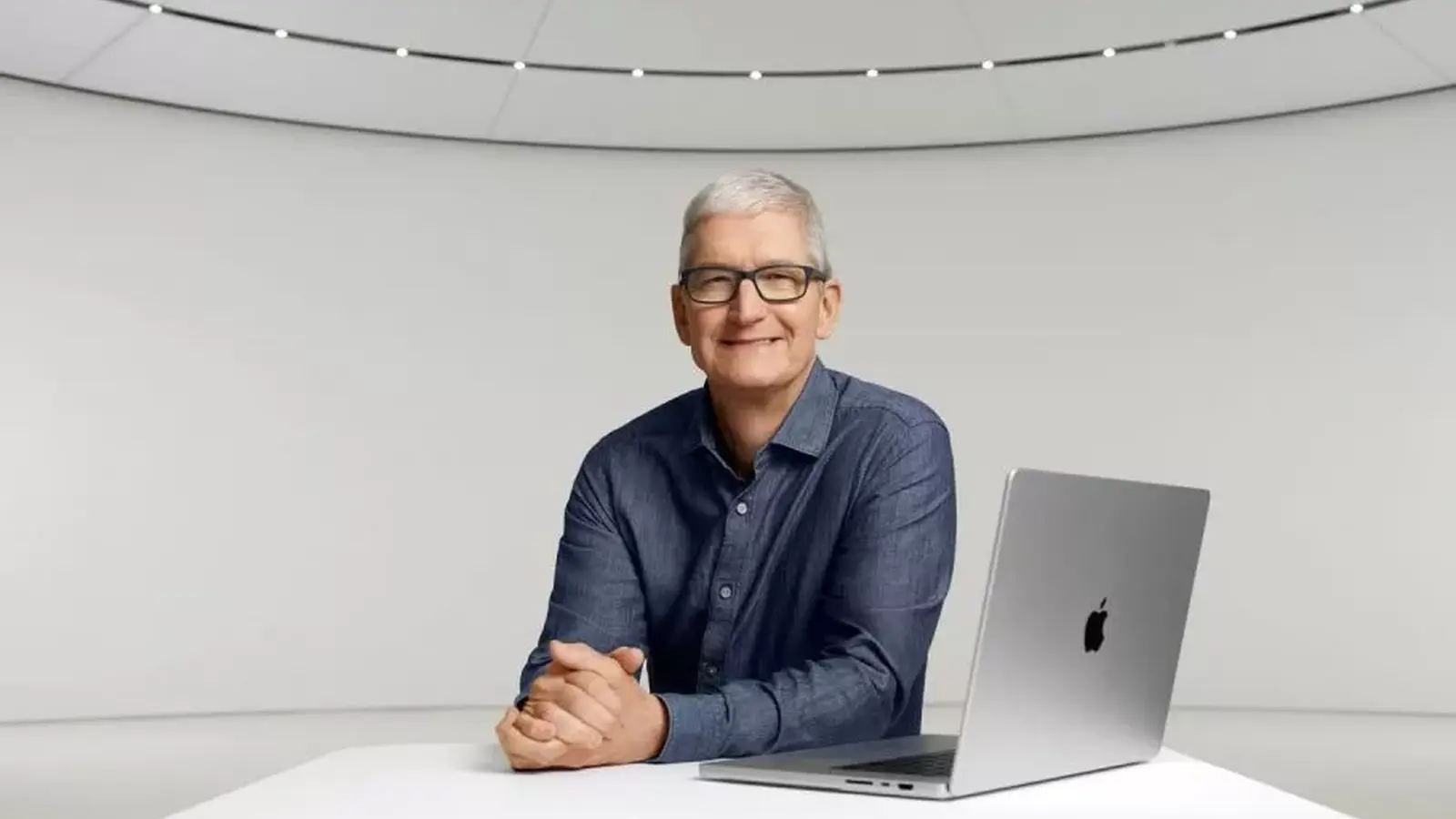
Tim Cook said something striking in a recent all-hands: he spends real time imagining who will sit in Apple’s leadership room five, ten, even fifteen years from now. He didn’t couch it as corporate small talk. This is the core of his work.
Succession planning sits at the center of Cook’s agenda. He describes it as a deliberate, persistent exercise—less a checklist item and more a long game of talent shaping. Preparing leaders for the future is not peripheral; it’s essential to Apple’s longevity.
That emphasis comes amid years of speculation about Cook’s own timeline. He offered no firm retirement date in the meeting, a move meant to steady nerves rather than provoke headlines. Still, industry conversations have circled around names like John Ternus, Apple’s senior vice president of hardware engineering, as plausible heirs to day-to-day operational leadership.
Cook also addressed recent shifts across the executive bench. The departures of Lisa Jackson, Jeff Williams and Katherine Adams were framed as planned transitions—part of an orderly handoff rather than seismic surprises. Other exits, including those of John Giannandrea and Alan Dye, were left without detailed public explanations, with Cook steering the conversation back toward continuity and focus on key strategic projects.

On a different track, Apple is quietly sketching plans to mark a milestone: its 50th anniversary on April 1, 2026. Leadership has been debating what that celebration should say to employees and customers—how to honor the company’s past without turning the moment into nostalgia alone.
Cook didn’t shy from history. He walked the room through the arc from late‑1990s crisis to today’s market dominance: a company that nearly folded, rebounded with Steve Jobs’ return, concentrated on a handful of products, and rebuilt itself through a mix of product focus, fiscal discipline and a culture that prizes craft. The story is familiar, but Cook used it as a reminder that reinvention is part of Apple’s wiring.
And the present, by Cook’s account, looks strong. Apple posted a record quarter for revenue and iPhone sales in its latest filing—metrics he framed as proof of brand strength and customer loyalty. The company will continue to funnel resources into research and development and to expand the product ecosystem that keeps customers tied to its services and devices.
Who will steer Apple into its next era? Cook is building the answer now, one leadership choice at a time.

“I love exploring gadgets, apps, and trends that redefine how we connect, work, and play in a digital world.”

Discussion
Leave a Comment
Comments
No comments yet. Be the first.