
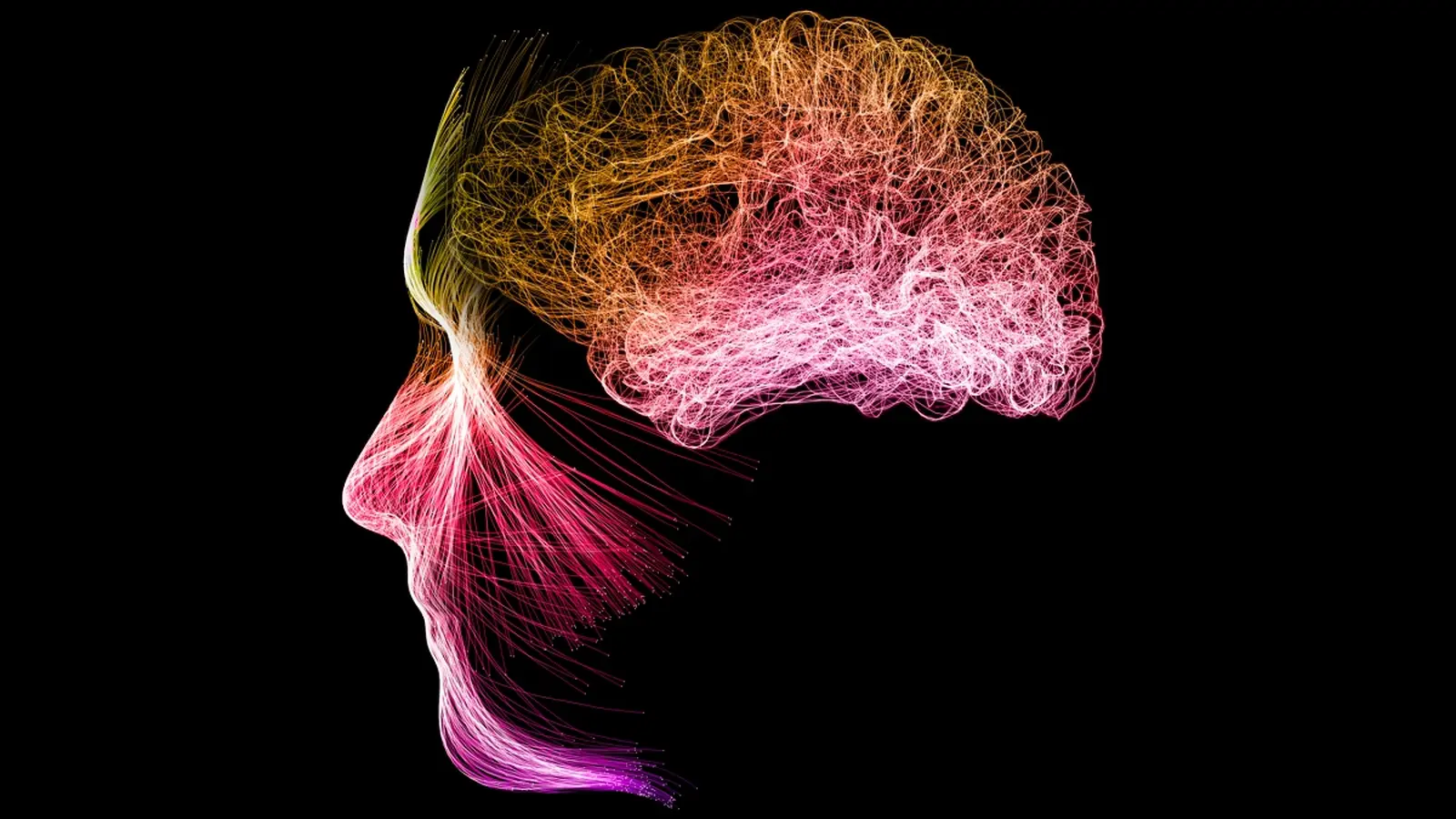
Sit quietly and watch your mind; sometimes the shift you expect never quite arrives. A recent study of a small group of experienced meditators suggests that long-term practice may blur the line between a focused meditative state and ordinary rest. The researchers measured patterns of brain dynamics and found that the twelve monks with the most experience showed smaller differences between their meditative and resting brain activity — an intriguing sign that the brain’s habitual modes can be reshaped by sustained practice.
Why does this matter? Because it challenges a simple narrative: that meditation straightforwardly trains attention and removes unwanted mental noise. Instead, advanced practice might steer neural dynamics away from active engagement toward a more pervasive mode of awareness. That sounds promising. But there's a second, darker side to the picture.

Reports from other studies and clinical observations indicate that meditation isn’t uniformly benign. Some regular practitioners experience heightened anxiety, episodes of depression, brief psychotic-like symptoms, or persistent states of fear and derealization. These adverse effects are often dismissed or underreported, yet they point to genuine risks when powerful mental habits are altered without guidance or monitoring.
Meditation can reshape neural patterns, but those changes are complex and sometimes troubling. The recent paper, published in Neuroscience of Consciousness, used newer analytic methods to probe brain dynamics with finer temporal resolution than many past studies, offering more nuanced insights into how practice affects resting-state activity and the signatures of consciousness.
Far from a tidy path to enlightenment, the neuroscience of meditation is a developing map. More careful, larger-scale research will be needed to separate beneficial rewiring from maladaptive shifts — and to understand who benefits, who doesn’t, and why the same practice can heal one mind and destabilize another.

“The cosmos has always fascinated me. I write about space missions, astronomy, and the technologies pushing humanity beyond Earth.”

Discussion
Leave a Comment