
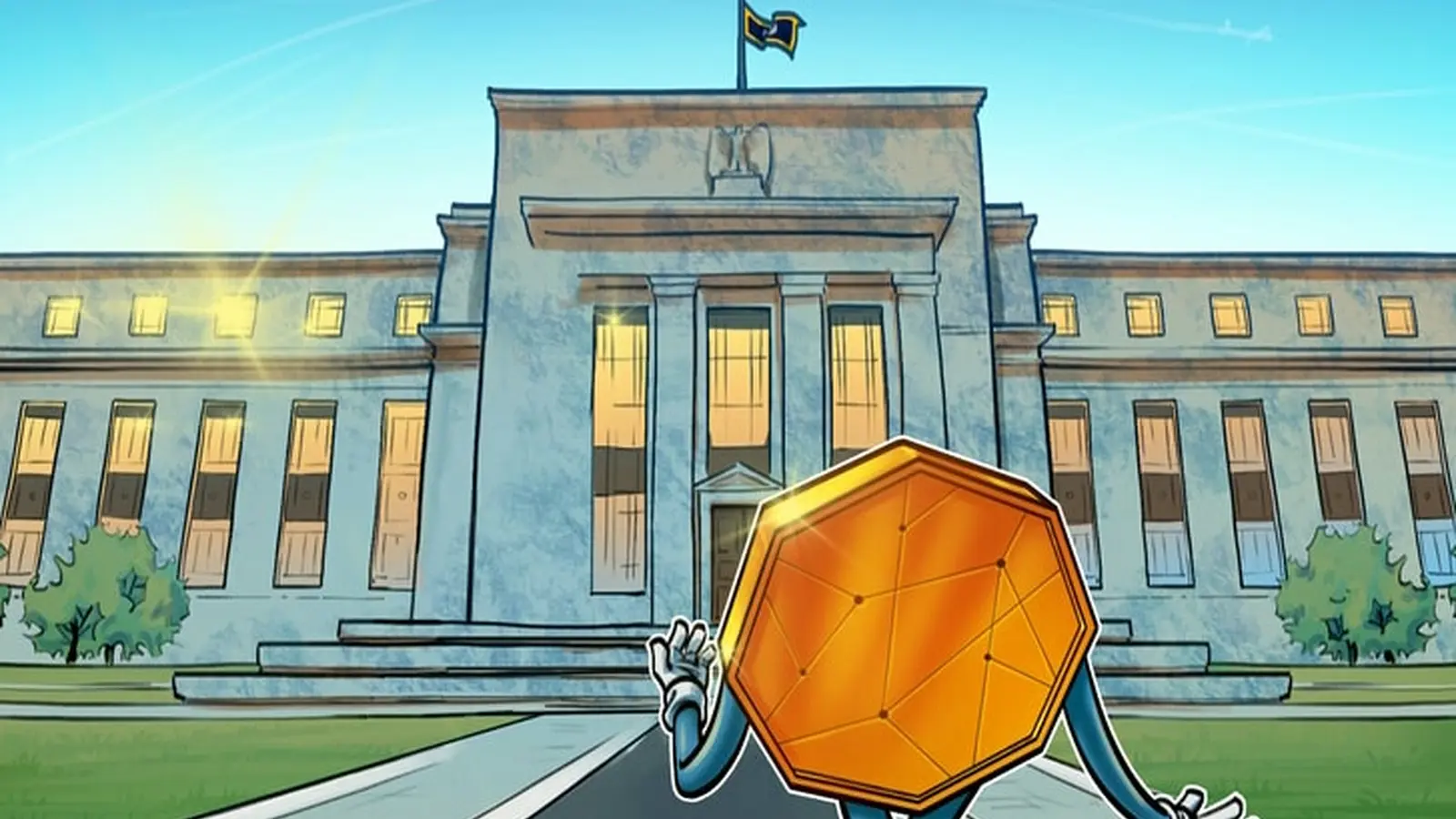
Traders quietly shifted their bets this week. A once-small expectation that the Federal Reserve will cut rates in March climbed to 23% after investors digested President Trump’s nomination of Kevin Warsh as the next Fed chair. For many market participants, the nomination raised a simple question: will U.S. monetary policy tighten by default?
The change is measurable. CME Group data show the probability of a March rate cut rose from 18.4% to 23% in short order. Those wagering on a reduction expect a modest 25 basis point move; no significant cohort is pricing in a 50 basis point cut or larger. In plain terms: the market sees a small, targeted easing as possible, but not a large shift.
Why a chair nomination unsettles markets
Replacing Jerome Powell is not just a personnel move. The Fed chair sets the tone on both rates and the balance sheet—tools that determine the economy’s financial thermostat. Kevin Warsh has been described by some analysts as more hawkish: he argues the Fed’s balance sheet is “trillions larger than it needs to be,” a comment that suggests willingness to shrink central-bank holdings rather than expand them.
What does that mean for markets? Shrinking the balance sheet removes liquidity from the system. Think of liquidity like water in a plumbing network: easy flow lubricates borrowing, investment and asset prices; lower flow makes credit harder to find. For risk assets such as cryptocurrencies and precious metals, reduced liquidity tends to compress upside potential and amplify volatility.
Nic Puckrin, a crypto market analyst, noted the market reaction bluntly: the nomination "shook markets to the core," and helped drive declines in metals toward late January and early February. His point: investor expectations about policy implementation can move prices before a single Fed announcement.
Kraken economist Thomas Perfumo described the signal as mixed. Warsh’s likely approach, Perfumo said, suggests stabilization rather than renewed expansion of credit and liquidity—contradicting some crypto trades that had priced in a return to looser financial conditions.
It’s worth remembering the mechanics: interest-rate policy influences asset valuations by altering discount rates and the cost of carry. Lower policy rates reduce discounting of future cash flows and lower borrowing costs, usually supporting higher asset prices. Higher rates do the opposite. The Fed’s balance-sheet stance amplifies those effects by changing the amount of reserves in the banking system.
Markets will be watching multiple levers now: not only the probability of a 25 basis point cut in March, but also signals about how quickly—or whether—the Fed will pare back its balance sheet. Those signals influence search-for-yield behavior, risk appetite, and the relative attractiveness of speculative assets.
For investors, the lesson is familiar: central-bank personalities and policy frameworks matter as much as headline rate forecasts. Expect more price discovery—and more debate—before the FOMC meets in March.

Discussion
Leave a Comment