
Imagine a pill that targets the liver and gut to quiet a metabolic switch, then watches blood fats fall. That is the promise now stirring in cardiometabolic research after early human testing of TLC-2716, an oral compound that, in a short trial, cut remnant cholesterol by more than 60 percent and lowered triglycerides by nearly 40 percent.
How the science led to a targeted therapy
The path to TLC-2716 began with genetics. Researchers mining large human datasets flagged NR1H3, the gene that encodes Liver X Receptor alpha (LXRα), as a regulator of lipid handling in the liver and intestine. Using Mendelian randomization — a technique that leverages natural genetic variation to draw causal links — investigators showed that increased NR1H3 expression associates with higher triglyceride levels, shifts in HDL cholesterol, and markers of liver disease.
LXRα sits at a control point for fat synthesis and transport. Flip it on broadly and you can trigger beneficial cholesterol-removal pathways in immune cells — but also drive fat production in the liver and gut. That dual nature has long been the field's headache: how do you tamp down the harmful, fat-making effects without losing the receptor's protective work elsewhere?
The strategy here was spatial. Instead of a system-wide blocker, the team engineered a compound with activity restricted to the liver and intestine. Preclinical studies in rodents, diseased human liver organoids, and non-human primates identified TLC-2716 as a candidate that reduced hepatic lipogenesis, slowed dietary fat absorption, and enhanced clearance of circulating lipids — while sparing LXR function outside those tissues.

First-in-human testing: what the trial showed
In a randomized phase 1 trial published in Nature Medicine, about 100 healthy adult volunteers received daily oral doses of TLC-2716 or placebo for 14 days. The study, led by Johan Auwerx at EPFL and partially funded by biotech firm OrsoBio, focused on pharmacology, safety, and short-term metabolic effects.
The results were striking for a first-in-human experiment. High-dose regimens reduced fasting triglycerides by up to 38.5 percent. Remnant cholesterol — the atherogenic fraction that lingers after meals — fell by as much as 61 percent in postprandial measurements. Participants began with normal lipid profiles and were not taking other lipid-lowering medications. Across dose groups, the drug was reported as safe and generally well tolerated.
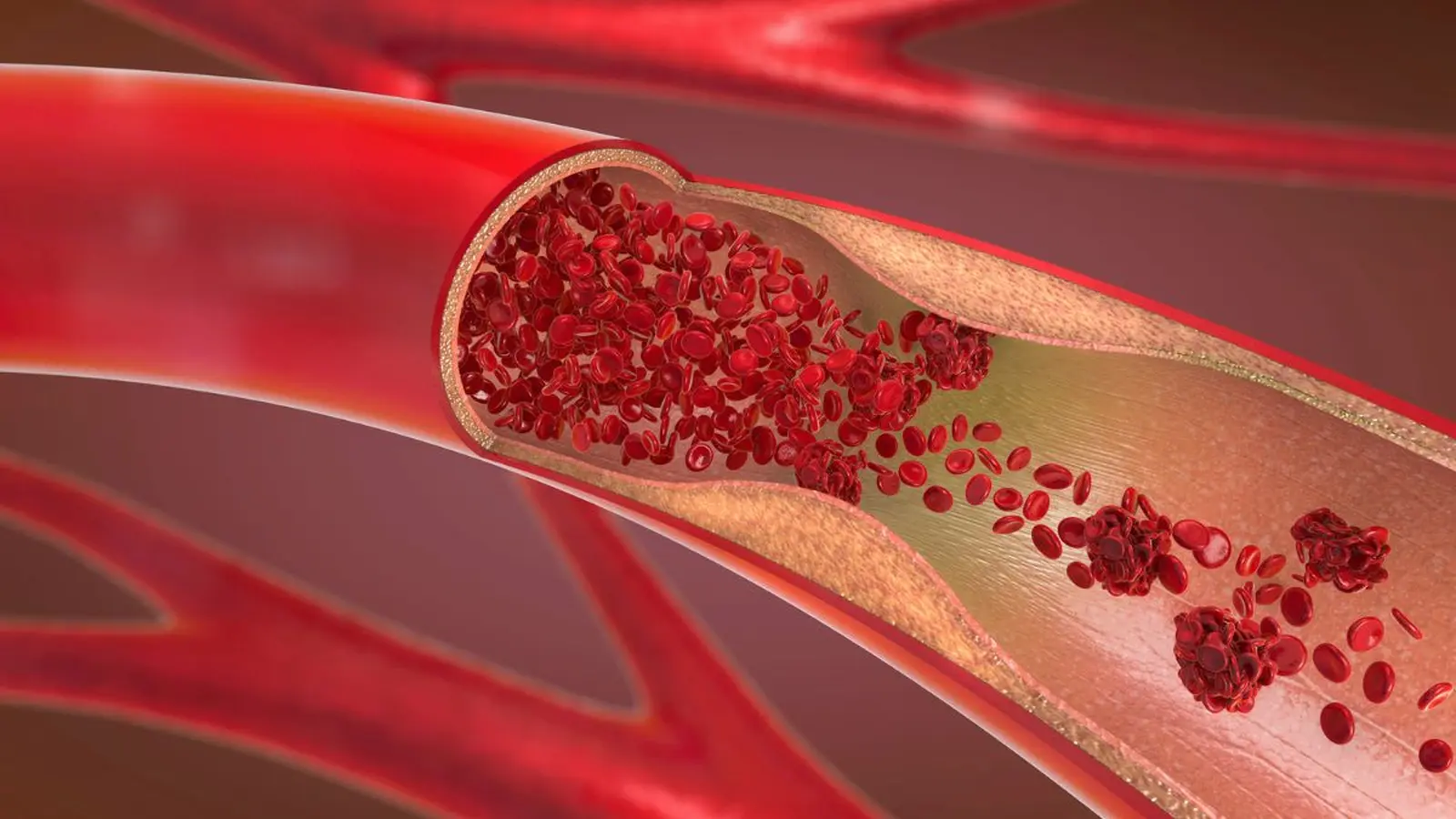
Why does remnant cholesterol matter? Because these lipoprotein remnants are rich in triglycerides and readily enter arterial walls, contributing to atherosclerotic cardiovascular disease (ASCVD). They are also implicated in acute pancreatitis and metabolic dysfunction-associated steatotic liver disease (MASLD), the modern term for what was commonly called non-alcoholic fatty liver disease.
The compound's oral route is another practical advantage. An effective, once-daily tablet could simplify treatment, reduce costs compared with injectable biologics, and be combined more easily with established lipid-lowering therapies such as statins or omega-3 formulations.
Implications, caveats, and the path ahead
These early signals are encouraging but caution is warranted. Phase 1 trials are designed to test safety and pharmacology in small, generally healthy groups; they are not proof of long-term benefit in patients with disease. The research team notes that the metabolic improvements observed in volunteers with normal lipids may be amplified in people who actually have hypertriglyceridemia or MASLD, but that hypothesis remains to be tested.
Next steps will stretch the timeline: longer-duration studies in overweight or obese individuals with elevated triglycerides and fatty liver disease, dose-finding in diverse populations, and careful monitoring for any off-target effects if the molecule escapes the liver-gut compartment. Regulatory scrutiny will focus on both efficacy against hard outcomes — fewer heart attacks, less progressive liver disease — and durable safety.
Expert Insight
"What makes TLC-2716 interesting is its tissue selectivity," says Dr. Elena Rossi, a cardiometabolic pharmacologist at the University of Milan. "Targeting LXRα only where it drives harmful fat production avoids the blunt instrument approach that derailed earlier attempts. If these results hold up in patients with dyslipidemia, we could have a new class of oral therapies that complement existing agents rather than replace them."
Researchers emphasize that the trial's consistent metabolic benefits — seen in human volunteers and across animal models — justify further clinical testing. For clinicians and patients facing rising rates of MASLD and remnant-driven cardiovascular risk, a liver- and gut-focused LXRα modulator represents a novel angle on an old problem.
For now, TLC-2716 remains an experimental compound. But the concept it embodies — tissue-targeted modulation of a central metabolic switch — may reshape how scientists think about treating complex lipid disorders, one carefully measured step at a time.

“The cosmos has always fascinated me. I write about space missions, astronomy, and the technologies pushing humanity beyond Earth.”

Discussion
Leave a Comment