
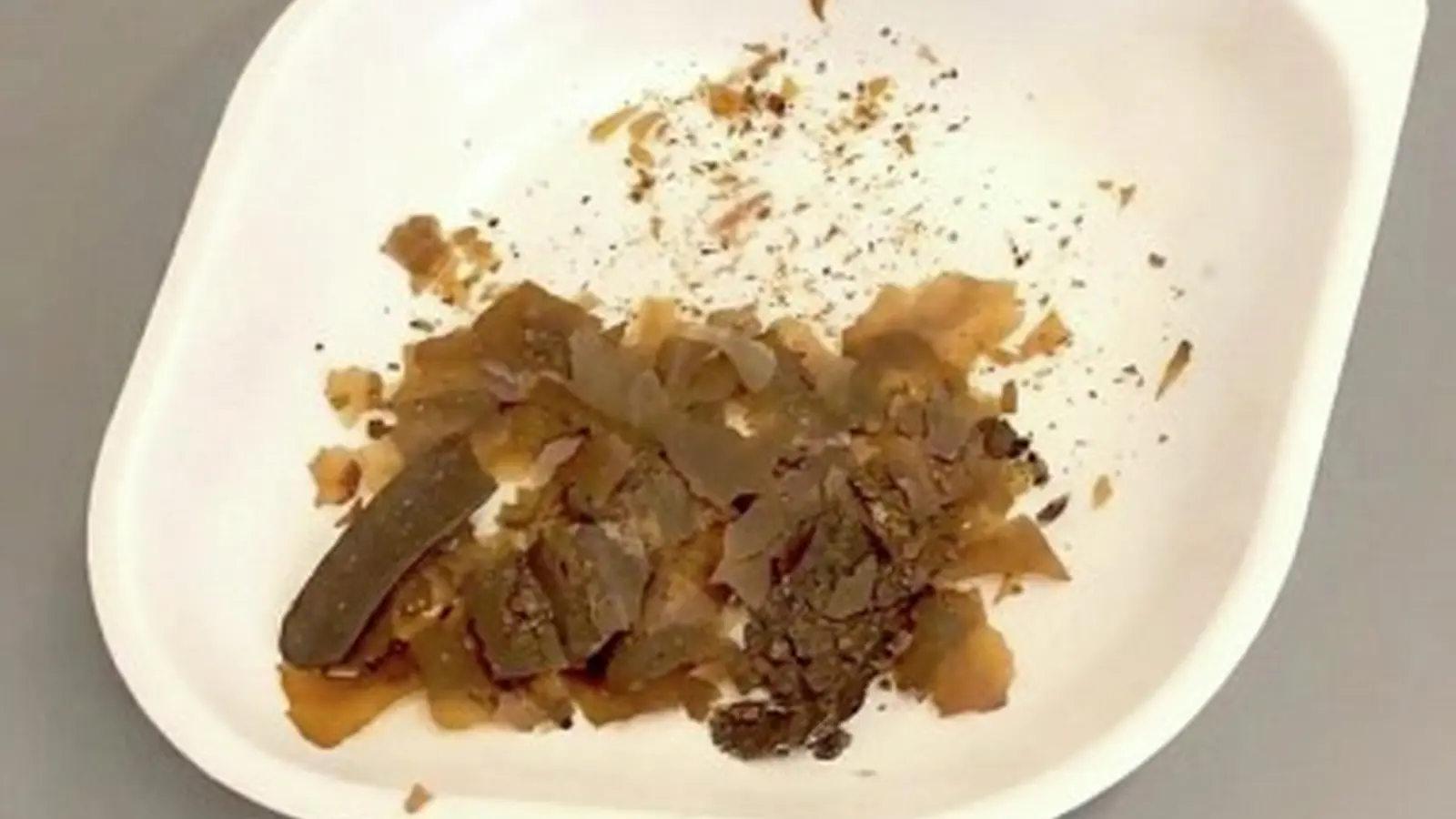
Imagine a remedy once handed down in whispers across Roman halls and medieval apothecaries—stool used as medicine. It sounds unlikely today. Back then it was routine. By the 18th century the practice faded, dismissed as risky or unsanitary. And with good reason: raw feces can harbor lethal pathogens. But tossed aside treatments are being reexamined through a far more rigorous lens.
Fecal microbiota transplantation (FMT), the clinical process of transferring stool from a healthy donor to a recipient, has moved from folklore into laboratories and hospitals. The principle is straightforward: our guts are ecosystems. When that ecosystem collapses—after antibiotics, infections, or chronic disease—a diverse, balanced microbiome can sometimes restore function. Proper screening and processing minimize the obvious risks. Yet no procedure is risk-free; rare severe adverse events, including fatal infections, underline the need for stringent donor screening and careful clinical protocols.

Carefully screened fecal transplants can carry both promise and peril. Trials and systematic reviews show benefit for certain conditions—particularly recurrent Clostridioides difficile infection—while evidence for broader applications is still emerging. Researchers are testing whether reshaping the gut microbiome might influence depression, bipolar disorder, metabolic diseases such as diabetes, cardiovascular risk, and even infections by drug-resistant bacteria. The reach of the gut-brain and gut-heart axes is a hot topic. But effects observed in human trials often wane; several reviews report that microbiome improvements and symptom relief can diminish by roughly six months after a single transplant.
Animal research fuels cautious optimism. In mice, stool from younger donors produced measurable shifts toward a younger gut profile in older recipients. Separate studies published in 2021 and again more recently reported reversal of aging markers after young-to-old transplants. These results do not translate directly into human therapies, yet they hint at mechanisms worth exploring: microbial metabolites, immune modulation, and inflammatory signaling—all possible levers to alter aging trajectories or disease states.

Scientific context and implications
Why revisit an ancient remedy? Because science now maps microbial communities at resolution unthinkable to Galen or a medieval healer. Next-generation sequencing reveals which bacteria, viruses, and fungi might be beneficial or harmful. Coupled with robust clinical trials, these tools can separate superstition from signal. The path forward will require standardized screening, long-term follow-up, and careful selection of clinical targets. Regulatory frameworks must balance innovation with safety.
So is young people’s stool the fountain of youth? Not yet. But centuries-old intuition, modern microbiology, and incremental clinical evidence together make the question worth asking—and answering—responsibly.

“The cosmos has always fascinated me. I write about space missions, astronomy, and the technologies pushing humanity beyond Earth.”

Discussion
Leave a Comment