
3 Minutes
Cloud giants are buying memory like it's gold. Orders from hyperscalers have swelled to the point where prices are climbing and supply chains are scrambling.
Song Jai-hyuk, CTO of Samsung’s Device Solutions unit, dropped that reality at Semicon Korea and sketched what the company sees ahead: demand for high-performance memory will remain elevated not only through this year, but into 2027. Short sentence. Big implication.
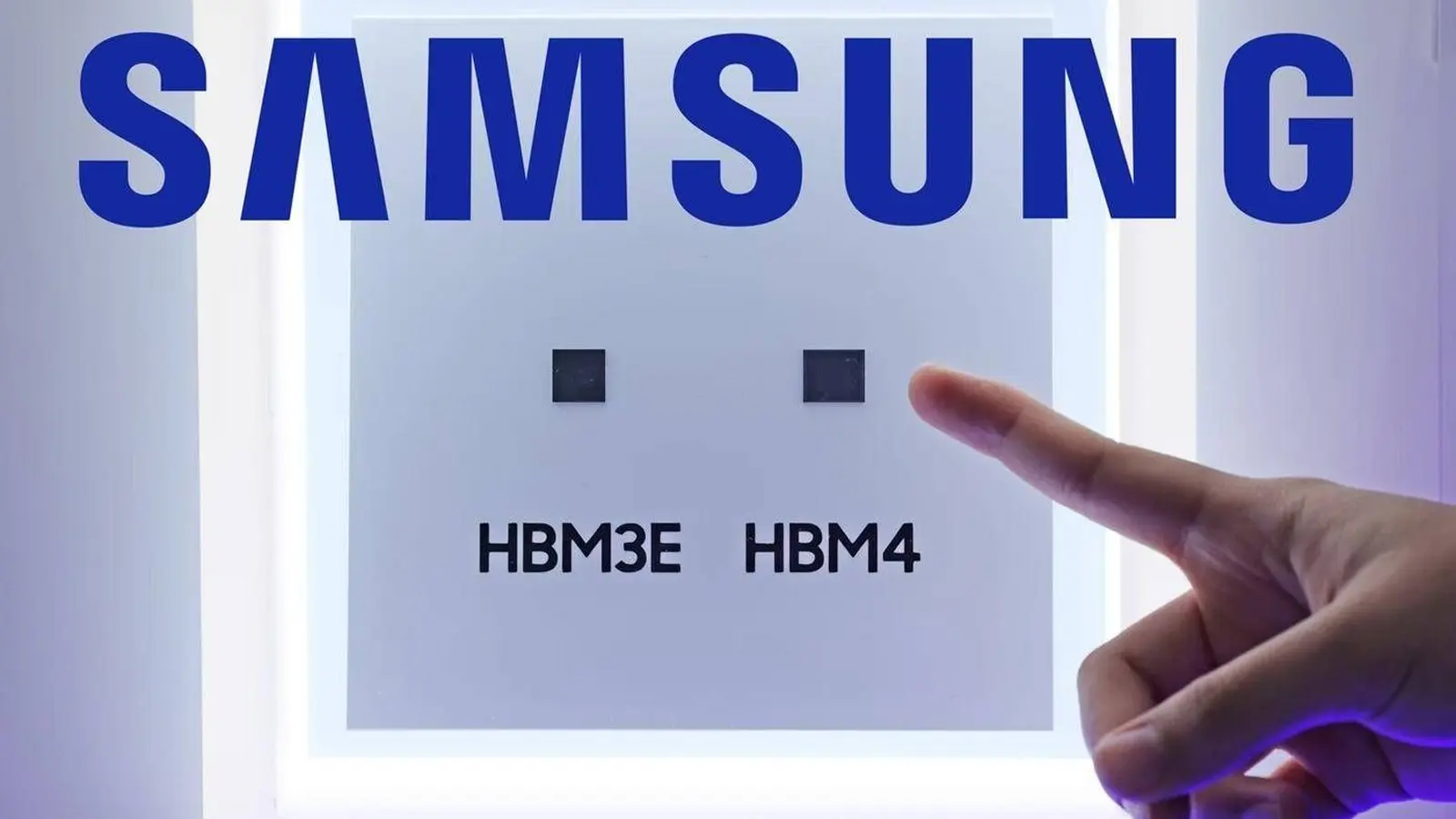
Samsung’s immediate focus is HBM4, the next-generation high-bandwidth memory designed for the extreme compute loads that AI models now demand. After a run of strong HBM3E sales through Q3 and Q4, the vendor says it will move to mass shipments of HBM4 in the first quarter. Early corporate customers who have received initial HBM4 deliveries described performance as very satisfactory, according to the CTO.
The company isn’t stopping at higher capacity. It’s pushing packaging and thermal chemistry forward. One notable advance is hybrid bonding for HBM stacks. By changing how dies are bonded, Samsung reports a roughly 20% drop in thermal resistance for 12-high and 16-high stacks, and about an 11% reduction in base-die temperatures in lab tests. When chips run cooler, performance and reliability follow.
There’s another idea on the drawing board called zHBM, which rearranges memory dies along the Z axis. The concept is bold: up to four times the bandwidth while trimming power draw by roughly a quarter. It’s the kind of architectural tweak that could change how data centers balance throughput and energy budgets.
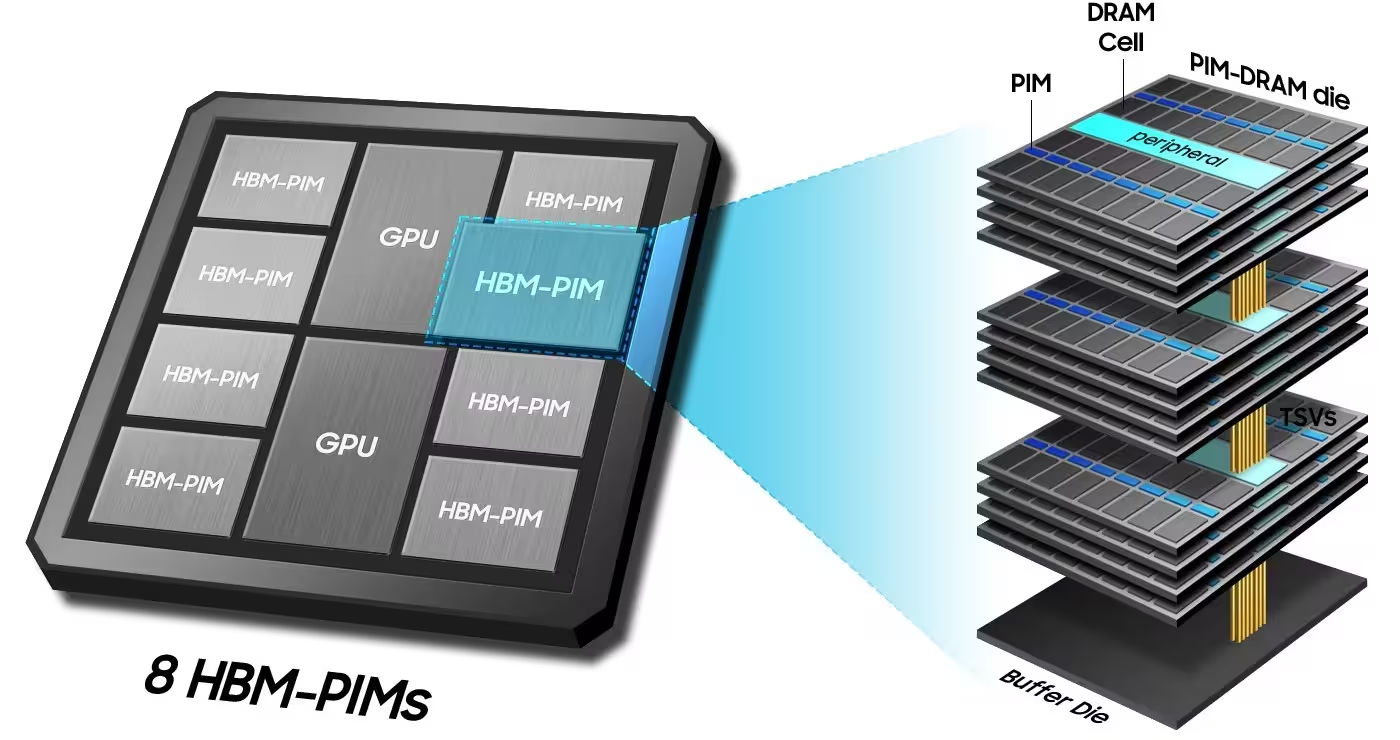
Processing-in-memory is part of the story too. Samsung has experimented with custom HBM layouts that co-locate compute elements inside the memory stack. The result, Samsung says, is a performance uplift of about 2.8x with no sacrifice in power efficiency. One proof point: HBM-PIM was tested in a custom AMD Instinct MI100 configuration, showing how tight integration between memory and logic can accelerate workloads.
In short: hyperscalers are driving an unprecedented appetite for HBM, and Samsung is answering with HBM4, hybrid bonding, zHBM, and PIM—each designed to push bandwidth up and thermal or power headaches down.
Release dates for hybrid-bonded or zHBM products remain vague. That’s the part of the story to watch: whether these technologies move from lab benches to server racks at the pace demand will require. The next year will tell us which innovations scale and which stay experimental.
Either way, the memory market looks set for a sustained sprint. Who will keep up?
Source: gsmarena



Leave a Comment