
3 Minutes
Remember when foldable phones felt like flashy prototypes meant to turn heads at trade shows? Those days are fading. Counterpoint Research argues that after a cyclical rebound last year, 2026 is poised to be the year the foldable smartphone market moves from novelty to steady expansion.
Manufacturers spent 2025 clearing inventory and pacing new launches. That cautious reset seems to be paying off. With better hardware engineering and tighter execution across designs, consumers are starting to see real productivity value in larger, book-style foldables — not just a shiny gimmick.
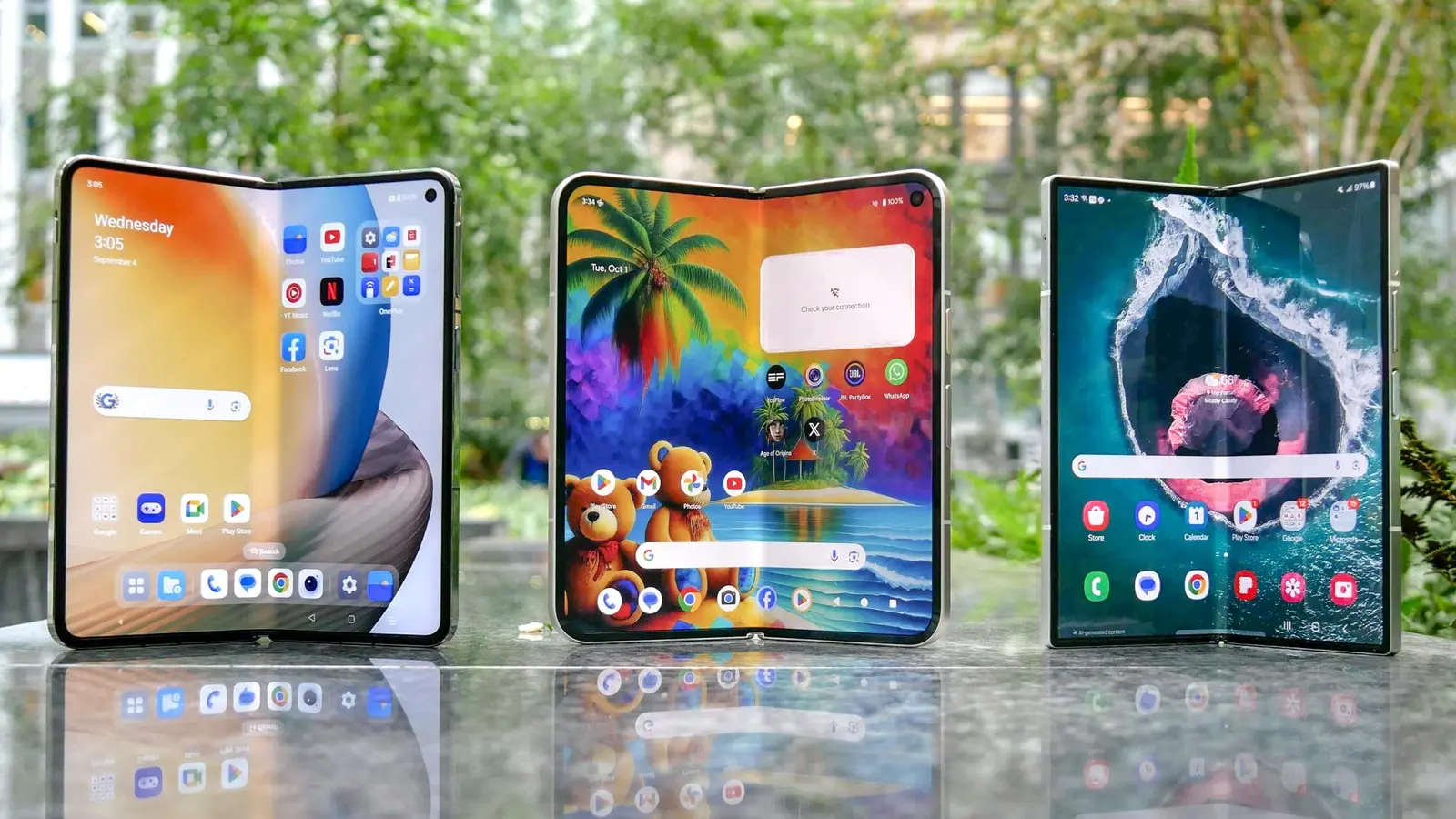
Case in point: book-style foldables now make up roughly 52% of the market, according to the analysts, and are expected to climb to 65% this year. That shift isn’t just about screen size. It reflects improved hinge mechanisms, brighter panels, longer-lasting batteries, and software that actually makes use of the extra display real estate for multitasking.
There’s also a perception change. Early adopters bought foldables for novelty; later buyers want usefulness. When a device becomes a genuine productivity tool, enterprise interest follows. Developers start optimizing apps for split-screen workflows. Accessories and ecosystems adapt. Suddenly, the argument for a foldable is less about form and more about function.

Apple’s rumored foldable iPhone — likely to appear this fall if timelines hold — is a potential accelerant. An Apple entry would not only expand consumer awareness but push rivals to match its approach. Expect Samsung to intensify focus on wider, book-style models aimed squarely at the iPhone Fold’s prospective audience. Reports also point to Honor and Oppo developing larger foldable designs to compete on the same playing field.
That said, clamshell foldables won’t vanish. They’ll remain relevant as fashion-forward, entry-premium options that appeal to users who prioritize compactness and style over productivity. In other words, the market is segmenting: book-style for work and multitasking, clamshells for lifestyle and nostalgia.
The picture for 2026 is clear enough to be exciting: a maturing segment, healthier consumer demand, and a competitive rush that could finally make folding phones mainstream. Will the ecosystem scale as fast as manufacturers hope? Time — and the next wave of releases — will tell.
Source: gsmarena



Leave a Comment