
Your next personal best may begin in a tiny cluster of cells deep inside the brain. Short bursts of effort leave marks beyond aching muscles and sweaty shirts — they alter neural circuits that then steer how your body uses energy and tolerates fatigue.
Researchers at the University of Pennsylvania now report that a specific population of neurons in the ventromedial hypothalamus (VMH) helps translate repeated exercise into lasting gains in physical endurance. The study, published in Neuron (Kindel et al., 2026), tracked how training changed neuronal activity and the brain’s connections — and how those changes feed back to reshape peripheral metabolism and performance.
How a brain circuit learns to support endurance
The investigators focused on steroidogenic factor-1 (SF1) neurons, a VMH subtype long known to sense internal energy signals such as insulin and glucose. After mice ran on a treadmill, SF1 neurons lit up and stayed more active for at least an hour post-exercise. The brief workouts left a durable trace: over three weeks of training (five days per week), mice ran farther and faster and showed persistent increases in SF1 signaling compared with their baseline.
Simple manipulations made the role of those neurons unmistakable. When researchers suppressed SF1 activity, mice failed to gain the same endurance benefits from training. Flip the switch the other way — artificially boosting SF1 neurons — and endurance improves. The relationship is causal, not just correlative: changes in this hypothalamic circuit alter how the rest of the body adapts to repeated exercise.

From synapses to stamina: the structural signs of adaptation
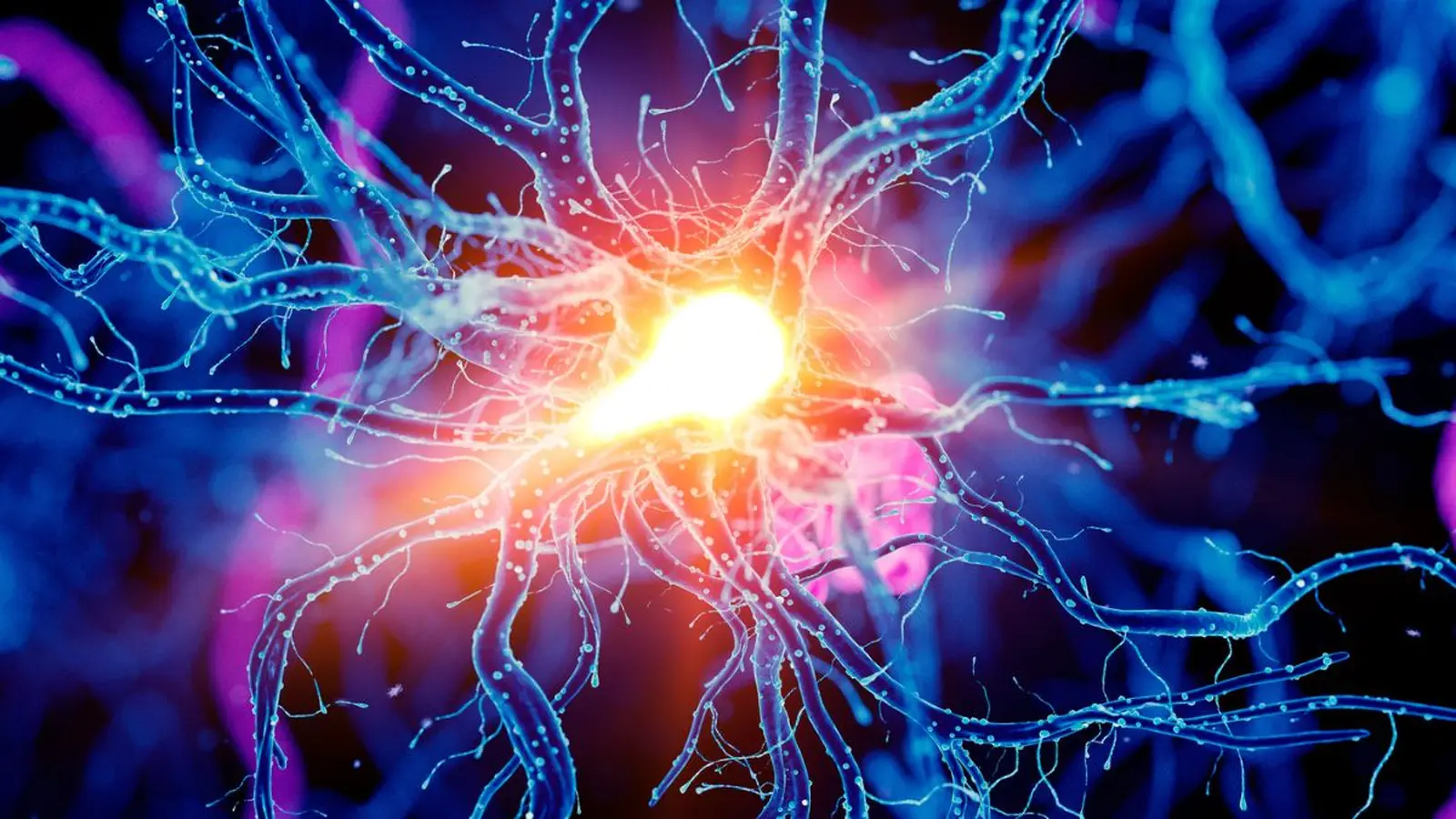
Neural plasticity was evident at a microscopic level. Trained mice displayed nearly double the density of dendritic spines on VMH neurons — those tiny, finger-like protrusions where cells receive input. More spines mean a richer set of incoming signals, and in this case, presumably a stronger ability to coordinate peripheral metabolism during exertion. In plain terms: the brain's wiring was remodeled in ways that likely improve its command of energy stores, cardiovascular output, and muscle remodeling.
“When we lift weights, we think we are just building muscle,” says J. Nicholas Betley of the University of Pennsylvania, co-leader of the work. “It turns out we might be building up our brain when we exercise.” His comment underlines a shift in how scientists conceive of training adaptation — not as strictly a peripheral phenomenon but as a dialogue between body and central nervous system.
VMH neurons are well placed to act as that liaison. They integrate hormonal and metabolic cues and then influence sympathetic outflow, appetite, and energy expenditure. If these neurons strengthen their connections with experience, they can more effectively marshal the body's resources when demanded by sustained or repeated exercise.
There are immediate implications. Understanding neural nodes that promote endurance opens a route to therapies that might boost rehabilitation, counteract frailty, or complement treatments for mental health conditions where physical activity has known benefits. The study’s mouse data suggest that exercise’s cognitive and mood-enhancing effects are not separate from its metabolic benefits — they arise from overlapping central mechanisms.
Major caveats remain. Mice are not people. The VMH exists in humans, but whether SF1-equivalent neurons show the same spine remodeling and functional effects after regular training has yet to be demonstrated. Still, the result reframes exercise as a system-level intervention: it trains circuits, not just muscles.
If future work confirms similar plasticity in humans, coaches and clinicians may begin to think in terms of neural conditioning alongside muscular conditioning — designing programs that deliberately engage brain circuits that support stamina, resilience, and metabolic health.
The brain may not sweat, but it learns. And that learning could be the quiet engine behind how we get fitter, faster, and more enduring.

“My work centers on sustainability, energy, and environmental science — examining how innovation can lead to a greener future.”

Discussion
Leave a Comment