
3 Minutes
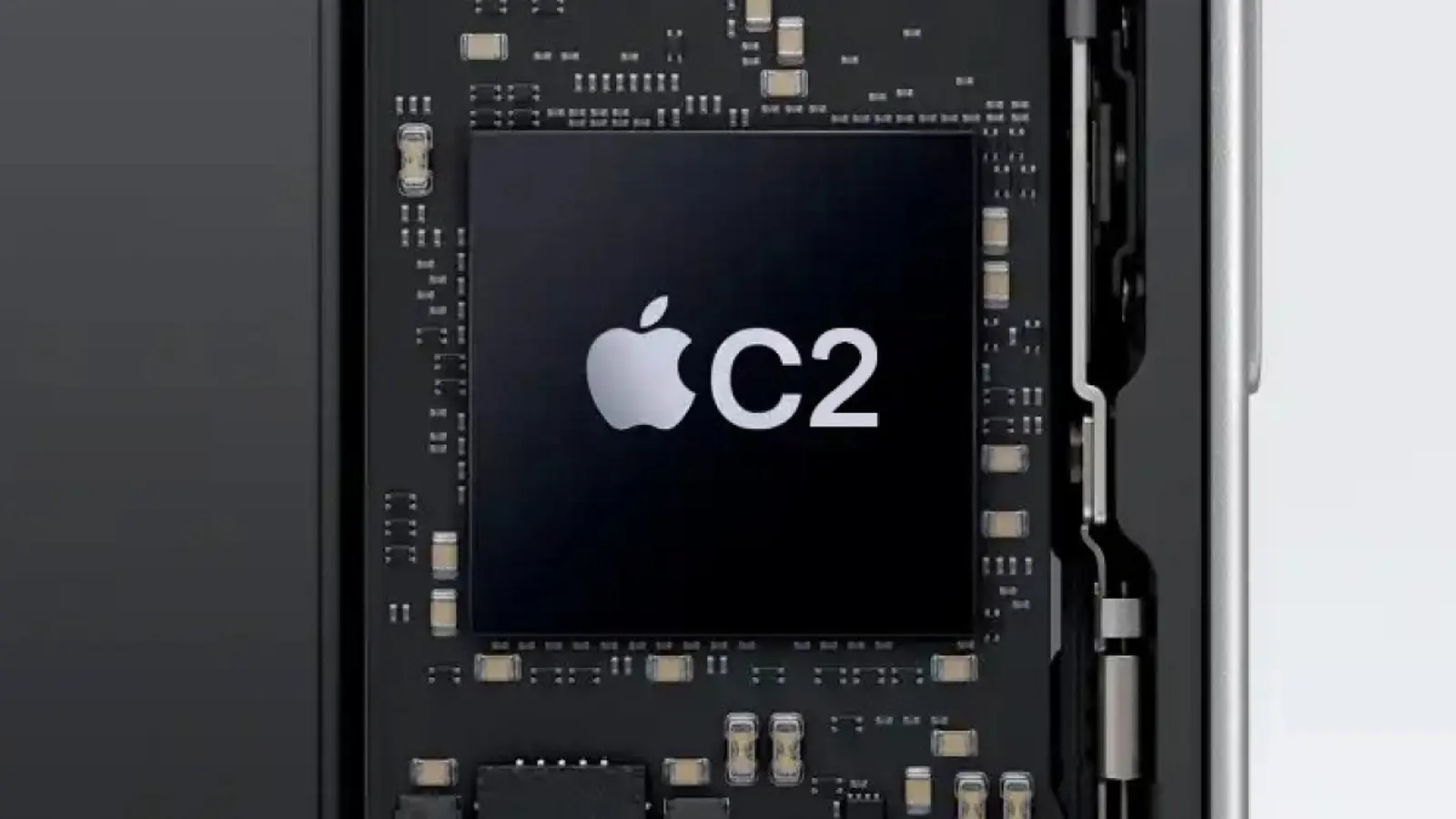
Imagine opening your iPhone in the middle of nowhere and a live video still plays. No miracle. No Wi‑Fi. Just a satellite link doing its job. That’s the picture a fresh leak from a Chinese tipster paints: Apple’s upcoming C2 modem, reportedly slated for the iPhone 18 Pro lineup, may enable 5G satellite connections via NR‑NTN.
The C2 is said to support New Radio Non‑Terrestrial Networks, meaning devices could talk directly to low‑Earth orbit satellites when terrestrial towers are out of reach. For users, that translates to basic internet access, emergency messaging, and location services in places that previously left smartphones mute. For Apple, it’s a move from novelty to utility.
What’s different this time is integration. Unlike the separate C1 and C1X chips, the C2 is rumored to be built into the main system‑on‑chip. That change could shrink space, cut power draw, and improve latency—if Apple pulls it off. Integration also simplifies design, which matters when you’re squeezing new antenna systems and RF components into a slim chassis.

Technically, NR‑NTN is a mouthful but not magic: it’s the 3GPP standard extension that adapts 5G radio to non‑terrestrial networks such as LEO satellites. The challenge is real. Antenna design, network handover, power management, and regulatory approvals across countries are big, thorny problems. Expect incremental rollouts rather than an overnight revolution.
This isn’t purely an Apple story. The leak notes Huawei conducted public testing of its own NR‑NTN solution last year, and industry watchers say 2026 could be the year multiple OEMs start offering satellite‑backed connectivity in earnest. Starlink, Kuiper, and other LEO constellations aren’t mentioned by name in the rumor, but any practical consumer feature will depend on partnerships with satellite operators and spectrum coordination.
Why should you care? Because satellite fallback shifts how we think about coverage. Outdoors adventures, disaster responses, and remote work all benefit. But it will also raise questions about pricing, data limits, and privacy when phone traffic hops off the public cellular grid and onto orbital relays.
Apple’s moves tend to accelerate entire ecosystems. If the C2 really brings NR‑NTN to iPhones, we’ll watch carriers, app makers, and satellite firms adjust fast—and that could change what “cellular dead zone” means forever.
Source: gsmarena



Leave a Comment