
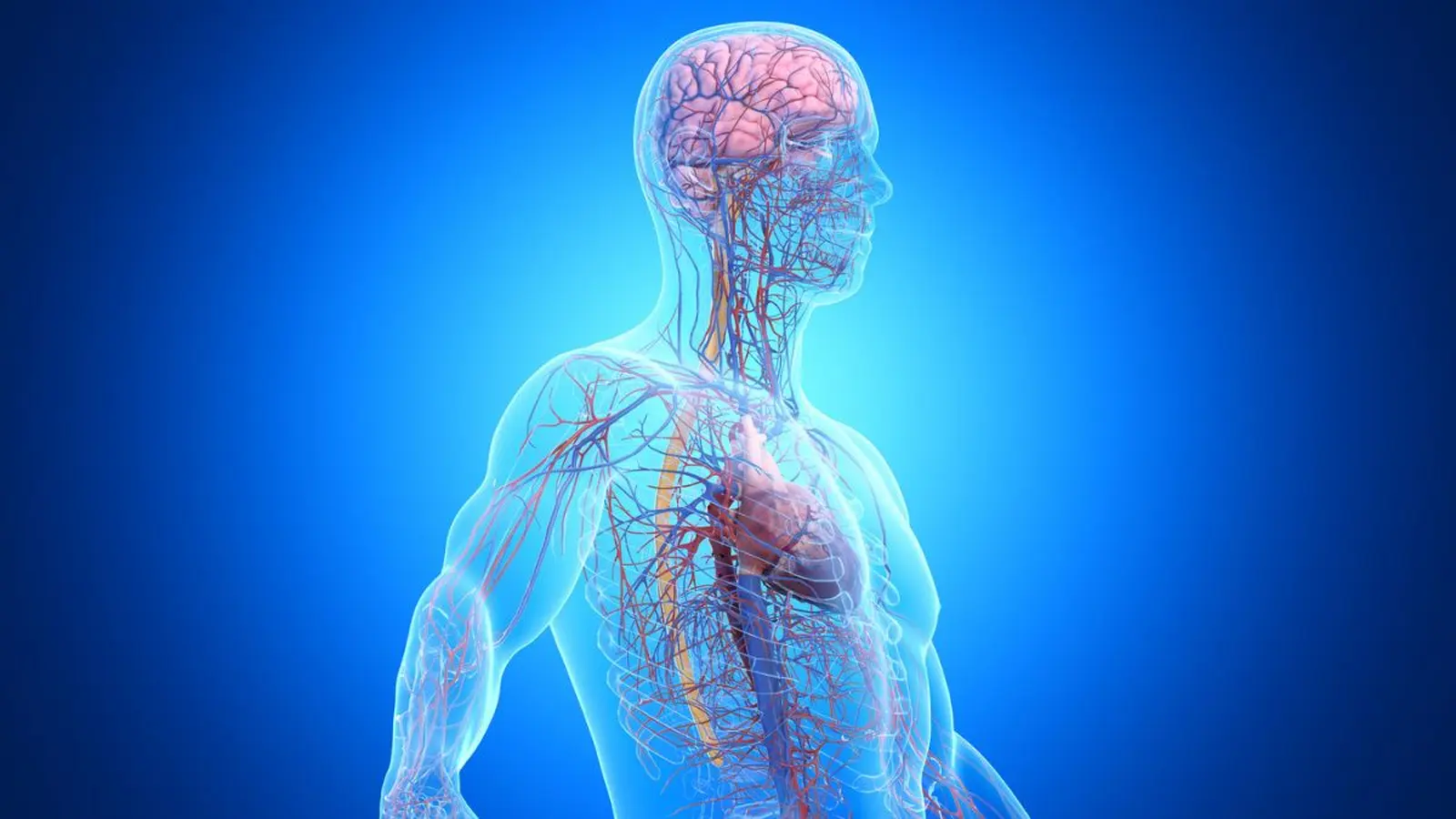
Imagine diagnosing dementia not by what shows up in a brain scan, but by what your dentist, hepatologist, or audiologist sees. Strange as it sounds, an expansive review of global studies suggests this might not be far from reality: roughly one in three dementia cases worldwide may be associated with illnesses that begin outside the central nervous system.
Researchers at Sun Yat-sen University sifted through more than 200 studies and identified as many as 16 peripheral conditions linked to higher dementia risk. That translates to nearly 19 million dementia cases tied—statistically—to diseases of the gums, liver, ears, eyes, and metabolism. The data do not prove that these peripheral conditions cause dementia. But the patterns are consistent enough to demand attention.
How the body talks to the brain
The brain is often treated like an island: blood-protected, sealed off by the blood–brain barrier, home to neurons and synapses alone. That image is comforting. It is also incomplete. The nervous system is a network of conversations. Blood-borne signals, immune molecules, metabolic messengers and nerve pathways keep the brain in constant communication with organs across the body.
Consider gum disease. Chronic periodontal inflammation floods the bloodstream with bacteria and inflammatory proteins. Hearing loss deprives the brain of sensory input, forcing networks to reorganize and sometimes atrophy. Liver cirrhosis changes how toxins and metabolites are cleared from the body. Type 2 diabetes alters glucose handling and insulin signaling—processes that neurons depend on for energy. Each of these peripheral problems can, through different routes, nudge the brain toward cognitive decline.
Not every peripheral condition showed a strong link. The review found weaker or non-significant associations for about ten common disorders—hypertension, obesity, high cholesterol, depression and thyroid disease among them. That nuance matters. It implies complexity: some systemic problems may influence cognition directly, others indirectly, and some not at all.
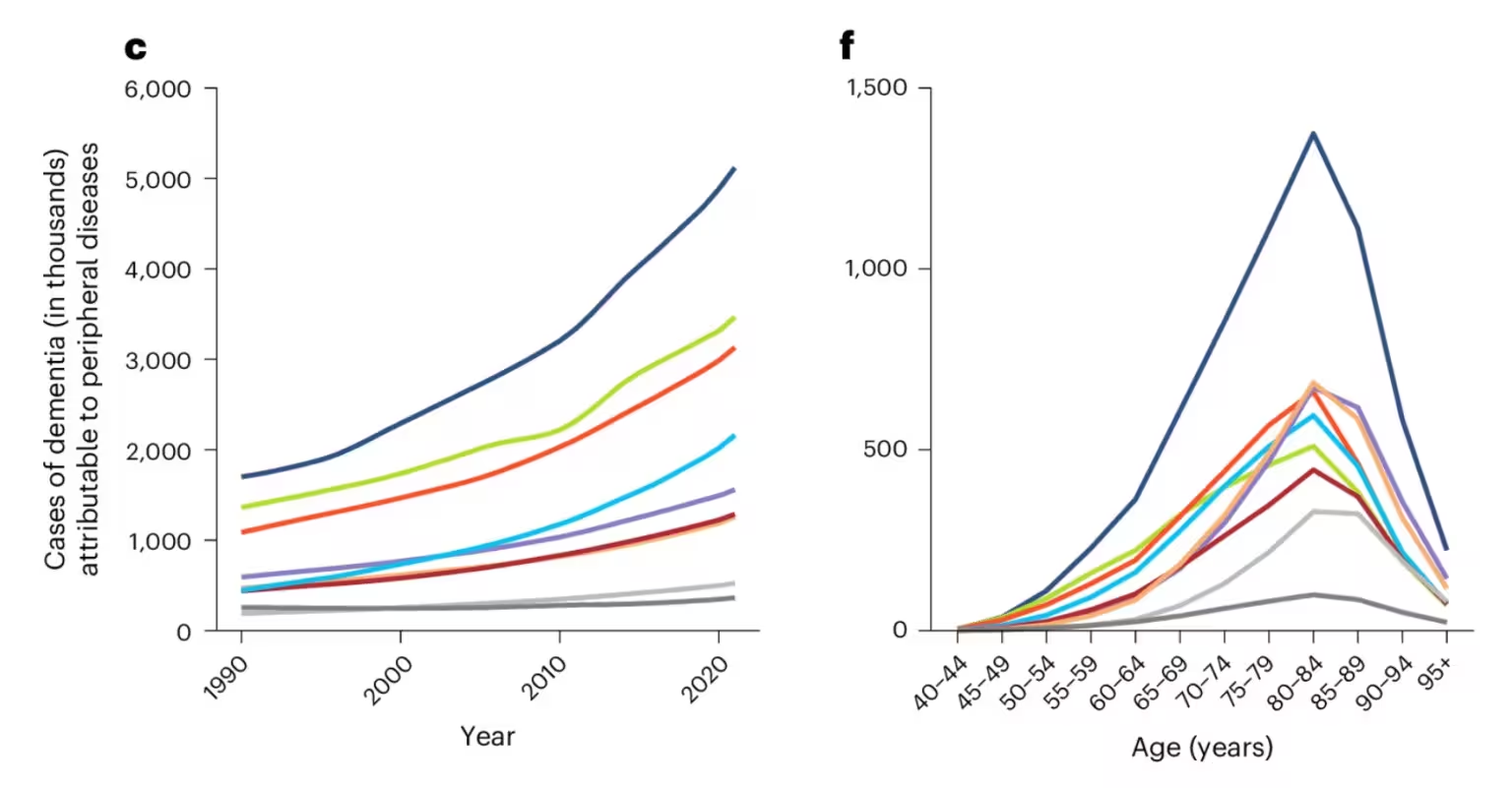
Temporal trends in cases of dementia from 1990 to 2021 (c) and variations across age groups (f). Dark blue = audiovisual disorders; green = periodontal diseases; pink = cirrhosis and chronic liver diseases; light blue = type 2 diabetes; purple = chronic kidney disease; red = osteoarthritis; light grey = COPD; dark grey = immune-mediated inflammatory diseases.
Why have these links come into focus only recently? Two reasons: better, larger population studies, and a conceptual shift away from seeing dementia as a single, brain-only disease. As datasets grow, subtypes of cognitive decline emerge—some with signatures that overlap with immune dysfunction, metabolic imbalance, or chronic infection.
Take hearing loss. Several observational studies now point to lower dementia risk among people who use hearing aids. Causation remains unproven, but the result fits a plausible mechanism: restoring auditory input helps maintain cognitive load and social engagement, both protective for the brain. Similarly, treating liver disease or improving glycemic control in diabetes has been associated with better cognitive outcomes in some cohorts.
These findings have consequences for clinical research. For decades, drug trials for Alzheimer’s and related dementias targeted molecules inside the brain—plaques, tangles, synaptic pathways. Many of those trials failed. Could part of the problem be target selection? If peripheral processes—immune dysregulation, metabolic stress, chronic inflammation—set the stage for cognitive decline, then treating the brain alone may be too narrow.
Expert Insight
"We've underestimated how porous the divide between brain and body really is," says Dr. Elena Márquez, a neurologist and clinical researcher (fictional for context). "That doesn't mean every peripheral condition causes dementia. It means that organ systems interact in ways that influence vulnerability. Preventive medicine—dental care, hearing restoration, liver health, metabolic management—could become part of cognitive health strategies alongside neurology."
Dr. Márquez adds that mechanistic work is crucial. "We need longitudinal studies that track peripheral biomarkers and brain changes over time, and interventional trials that test whether treating peripheral disease alters cognitive trajectories. That's the only way to move from correlation to causation."
The implications stretch beyond medical practice. Public-health planning, resource allocation, and screening programs might need recalibration. If periodontal disease or untreated hearing loss contributes meaningfully to population-level dementia risk, then relatively low-cost interventions could yield outsized benefits.
At the same time, caution is warranted. Association is not explanation. The review authors themselves underscore that their results "indicate the potential to mitigate dementia incidence by proactive prevention of peripheral diseases," but they stop short of claiming proof. The next decade of research must untangle which peripheral factors play causal roles, which are markers of shared risk, and which are innocuous side effects of aging and comorbidity.
One truth seems increasingly clear: no brain is an island. As medicine moves toward systems thinking—recognizing the brain-gut axis, the brain-immune axis, and the interplay of metabolic and vascular health—the chance to prevent or delay cognitive decline may lie outside the skull as much as inside it. That shift could change how we screen, treat and even think about dementia in everyday practice.

“The cosmos has always fascinated me. I write about space missions, astronomy, and the technologies pushing humanity beyond Earth.”

Discussion
Leave a Comment