
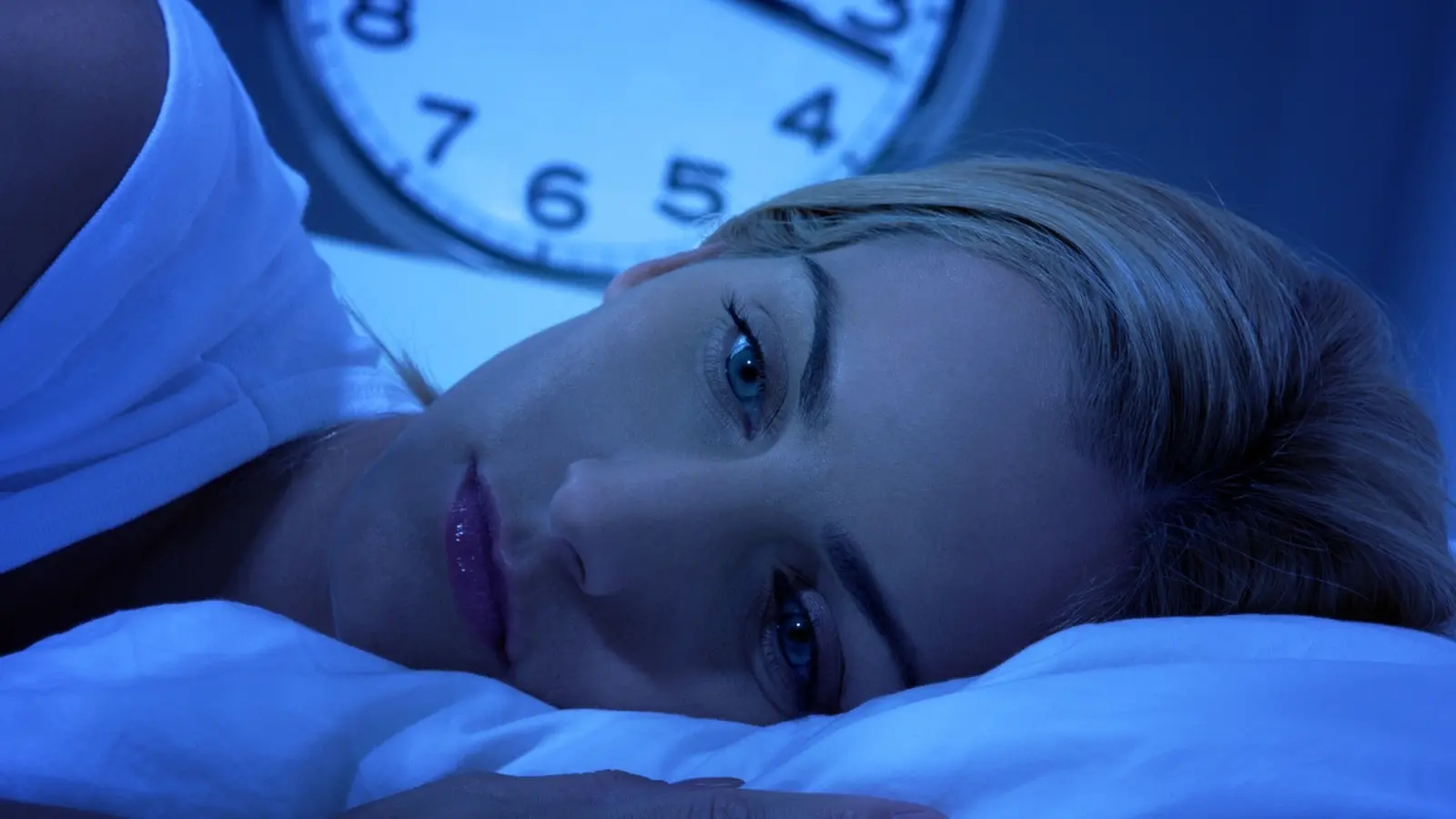
People have long used steady background sounds to nudge themselves into sleep: the steady hiss of a fan, the rush of a waterfall, or the curated loops sold by countless apps. Pink noise—often described as gentler and deeper than white noise—has become especially popular. It sounds like rain. It sounds familiar. But new laboratory evidence suggests that habit may come with a hidden price.
What researchers did and why it matters
A team led by investigators at the University of Pennsylvania, working with colleagues in Europe and Canada, recruited 25 healthy adults aged 21 to 41 who did not normally use noise as a sleep aid. Volunteers spent a week in a controlled sleep laboratory, each attempting an eight-hour sleep opportunity for seven consecutive nights. The first night served as an adaptation night without artificial sounds. On subsequent nights participants experienced different acoustic conditions: a quiet control night, a night with mixed environmental noises (think aircraft, traffic, a crying infant), a night with only pink noise set at roughly 50 decibels, and combinations of environmental noise plus pink noise or environmental noise plus earplugs.
The investigators collected standard polysomnography recordings—measuring brainwaves, eye movements and muscle tone—to track sleep stages, and paired that with cognitive and cardiovascular tests and self-reported sleep quality. The goal was simple: to find out whether common broadband sounds, particularly pink noise, actually improve sleep or undermine it.

Key findings: deeper sleep and REM took a hit
The results were not what many users of ambient-sound apps might expect. Nights filled with environmental sounds led to about 23 fewer minutes of N3 sleep—the deepest, most restorative stage—compared with quiet nights. Pink noise by itself, at the 50-dB level tested, was associated with an average reduction of nearly 19 minutes of REM sleep per night when compared with nights containing environmental noise.
When pink noise and environmental noise were combined, the effect compounded: both REM and deep-sleep durations were significantly shorter and participants spent more time awake after initially falling asleep. In short, adding pink noise to a noisy bedroom did not mask disturbances symmetrically; sometimes it made the overall sleep architecture worse.
One pragmatic takeaway: earplugs offered protection. Participants who wore earplugs did not show the same reductions in REM or deep sleep across the various sound conditions, suggesting that simple physical attenuation of sound may be safer than layering broadband noise over an already noisy environment.
Scientific context and implications for brain health
Why should a few dozen minutes matter? REM and N3 sleep do very different jobs for the brain. Deep N3 sleep is associated with metabolic clearance, slow-wave activity, and physical restoration; REM sleep is strongly linked to emotional processing and memory consolidation. Persistent reductions in these stages—over months or years—could plausibly impair cognitive performance, emotional regulation, and, in children, normal brain development.
“We should be cautious,” says the study’s lead sleep scientist, noting that even modest nightly changes in REM and deep sleep may have outsized consequences for vulnerable populations. The researchers specifically warn against routine broadband-noise exposure for infants and toddlers, who spend far more time in REM and are undergoing rapid neural maturation.
Past research on white and other colored noises is mixed: some studies document benefits for sleep initiation or masking intermittent disturbances, while others raise concerns about chronic exposure. This new controlled trial contributes an important datapoint by directly comparing pink noise to real-world environmental sounds and by measuring objective sleep physiology across multiple conditions.
Expert Insight
Dr. Lena Morales, a sleep researcher unaffiliated with the study, offers a pragmatic perspective: “People reach for pink or white noise because they want predictability at night. That's understandable. But predictable sound is not always benign. Sound characteristics—frequency composition, intensity in decibels, and how the brain responds over repeated nights—matter. If a parent asks what to do tonight, I often recommend simple sound reduction and tested protections like earplugs rather than unregulated sound generators.” Her point underlines a practical truth: technology can help, but it can also introduce new and subtle risks.
What this means for everyday sleepers and product design
For consumers, the message is neither alarmist nor definitive. This was a relatively small, short-term laboratory study, not a decade-long epidemiological survey. Still, it shows that the blanket advice to use pink noise as a sleep hack is premature. App makers, smart-speaker manufacturers, and clinicians should take note: claims about a sound’s restorative benefits need rigorous testing across ages and long-term exposure patterns. Until then, the safest approach may be to reduce intrusive environmental noise where possible and to experiment cautiously with sound aids—paying attention to daytime cognition, mood, and whether a device is shifting sleep-stage balance.
As evening soundscapes become a consumer battleground—curated playlists, sleep-boxes, and white-noise markets expanding—the research community will need to map out the boundaries between helpful masking and inadvertent disruption. The answer may differ by age, baseline sleep health, and the specific acoustic profile being played. For now, a simple question is worth asking before you hit play: is the sound helping you sleep, or merely making the night noisier in a different frequency band?

“The cosmos has always fascinated me. I write about space missions, astronomy, and the technologies pushing humanity beyond Earth.”

Discussion
Leave a Comment