
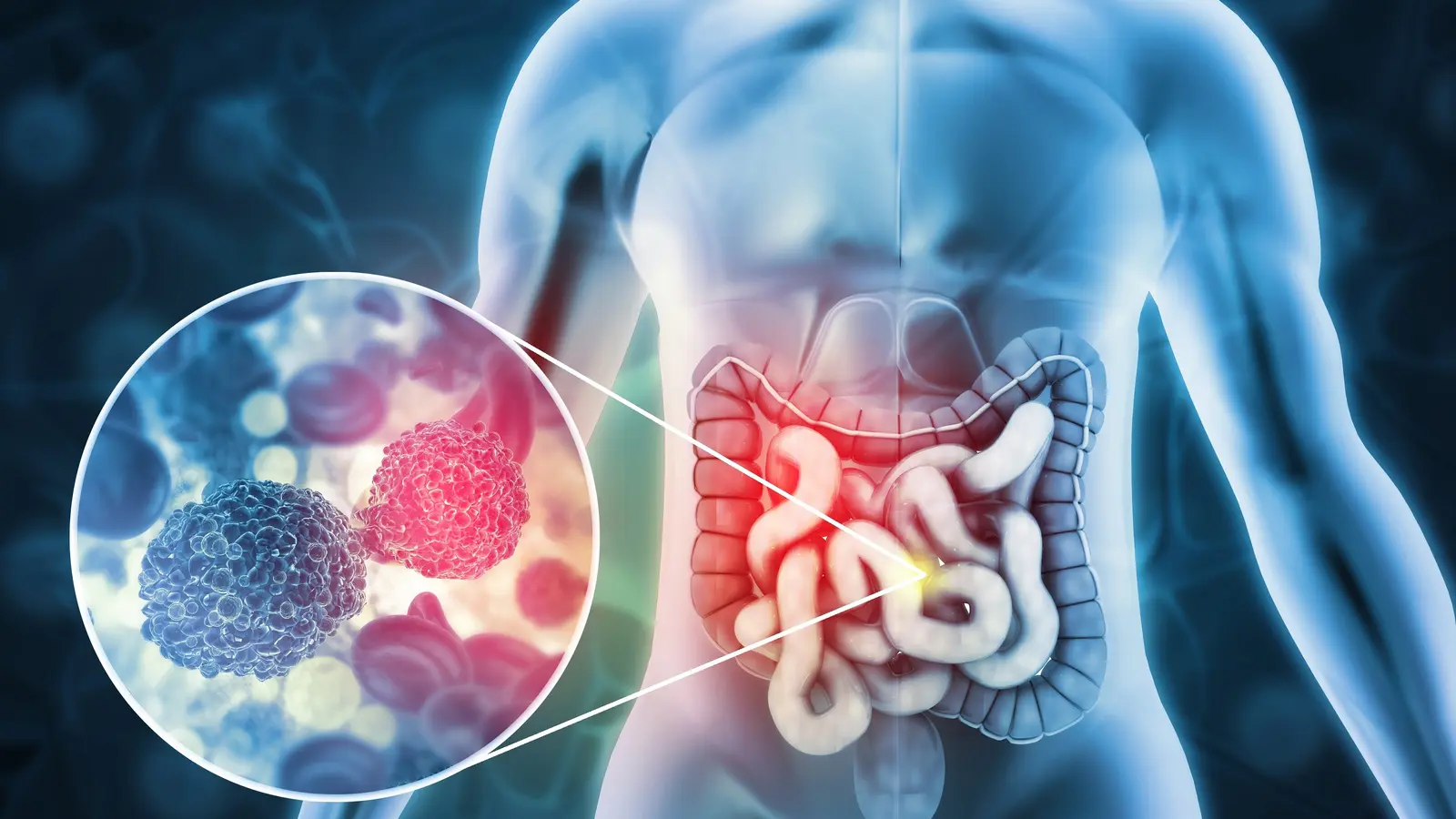
He was 48 and visibly healthy to many. Then James Van Der Beek announced a diagnosis in 2023, and his death on Feb. 11, 2026, has put early-onset colorectal cancer back under the public spotlight. The story shocks because it breaks an assumption many of us hold: colon cancer is an old person’s disease. That assumption is changing.

Rates of colorectal cancer in people under 50 have climbed for decades in many high-income countries. The rise is real, measurable, and worrying. Yet the causes remain tangled: no single smoking gun, but a web of environmental, biological and lifestyle influences that interact in ways researchers are only beginning to untangle.
What the data shows and why it matters
Incidence among younger adults is not a statistical quirk. Public health records and cancer registries document increasing diagnoses in people as young as their 20s and 30s. Some of those tumors behave aggressively; others are discovered at a later stage because younger patients and clinicians alike are less likely to suspect cancer.
Why does this matter beyond headlines? Because early detection saves lives. Screen early, treat early: outcomes differ dramatically depending on stage at diagnosis. Five-year survival can be between 80% and 90% when cancer is caught locally. Contrast that with single-digit survival rates when disease has already metastasized, and you see the stakes.
Clues from lifestyle, diet and the microbiome
Researchers point to several recurring associations: diets high in ultra-processed foods and red meat, sedentary lifestyles, obesity, alcohol use, and tobacco exposure. These are not determinative in the way a single genetic mutation might be; they are risk multipliers. They nudge the odds.
More intriguing to many scientists is the gut microbiome — the trillions of bacteria, fungi and viruses that live in our intestines. When that ecosystem falls out of balance, a state called dysbiosis, it can promote chronic inflammation and produce metabolites that may damage DNA or interfere with normal cellular processes. Think of the microbiome as a bustling city: when commerce, policing and sanitation work in tandem, life hums along; when one system collapses, chaos follows.
We do not yet have definitive cause-and-effect proof linking specific microbial changes to the rise in early-onset colorectal cancer, but multiple studies have found consistent microbial signatures in patients with the disease. Interventions that alter the microbiome—dietary shifts, targeted antibiotics, probiotics or fecal microbiota transplants—are areas of active research, not proven fixes.
Genetics and family history
Genetics still matters. A family history of colorectal cancer, certain hereditary syndromes (like Lynch syndrome), or a history of inflammatory bowel disease substantially raise risk and change screening recommendations. For people with these risk markers, colonoscopy screening begins earlier and happens more often.
Recognizing early warning signs and the screening landscape
Symptoms for early-onset colorectal cancer can be subtle and easily misattributed: blood in the stool; persistent abdominal pain; changes in bowel habits such as constipation or diarrhea that last more than a few weeks; unexplained iron-deficiency anemia. None of these alone means cancer, but together they warrant prompt discussion with a clinician. Ask: could this be more than hemorrhoids?
Screening options vary. For average-risk adults, stool-based tests that detect blood or genetic markers and visual exams like colonoscopy are standard tools. Many public health authorities now recommend beginning routine screening at age 45 for average-risk people; those with higher risk profiles should start earlier and follow a more intensive schedule. The right test is the one you will do consistently and follow up on.
Practical steps to lower risk
There are things individuals can do that carry evidence of benefit. Increase dietary fiber by eating more whole fruits, vegetables and legumes. Reduce intake of processed meats and limit alcohol. Maintain a healthy weight through regular physical activity and avoid tobacco. These moves lower risk for colorectal cancer and also improve cardiovascular and metabolic health—so the benefits compound.
Equally important: share family health history with relatives and your doctor. A single conversation can change someone’s screening timeline and, potentially, their prognosis.
Expert Insight
"We used to think colon cancer in young people was rare and exceptional," says Dr. Maya Chen, a gastroenterologist who studies cancer prevention. "Now we see a pattern. The biology is complex, but the message is simple: pay attention to symptoms, and don’t delay screening if you have risk factors. Public awareness must catch up with the science."
Dr. Chen’s point cuts to policy as well as personal action. Screening programs, public education about symptoms, and research funding to study environmental drivers and the microbiome are all part of a comprehensive response.
For patients, clinicians and health systems the challenge is immediate: adapt practices and messages to reflect changing risks. For scientists, the work continues: teasing apart microbial signals from diet from genetics, and developing interventions that are safe, scalable and effective. For the public, the imperative is straightforward and urgent — know your family history, watch for warning signs, and talk with your provider about screening when appropriate.
When a public figure’s illness makes headlines, it can feel personal. That attention can also be useful if it prompts people to ask one simple question: what can I do today to lower my risk?

“My work centers on sustainability, energy, and environmental science — examining how innovation can lead to a greener future.”

Discussion
Leave a Comment