
3 Minutes
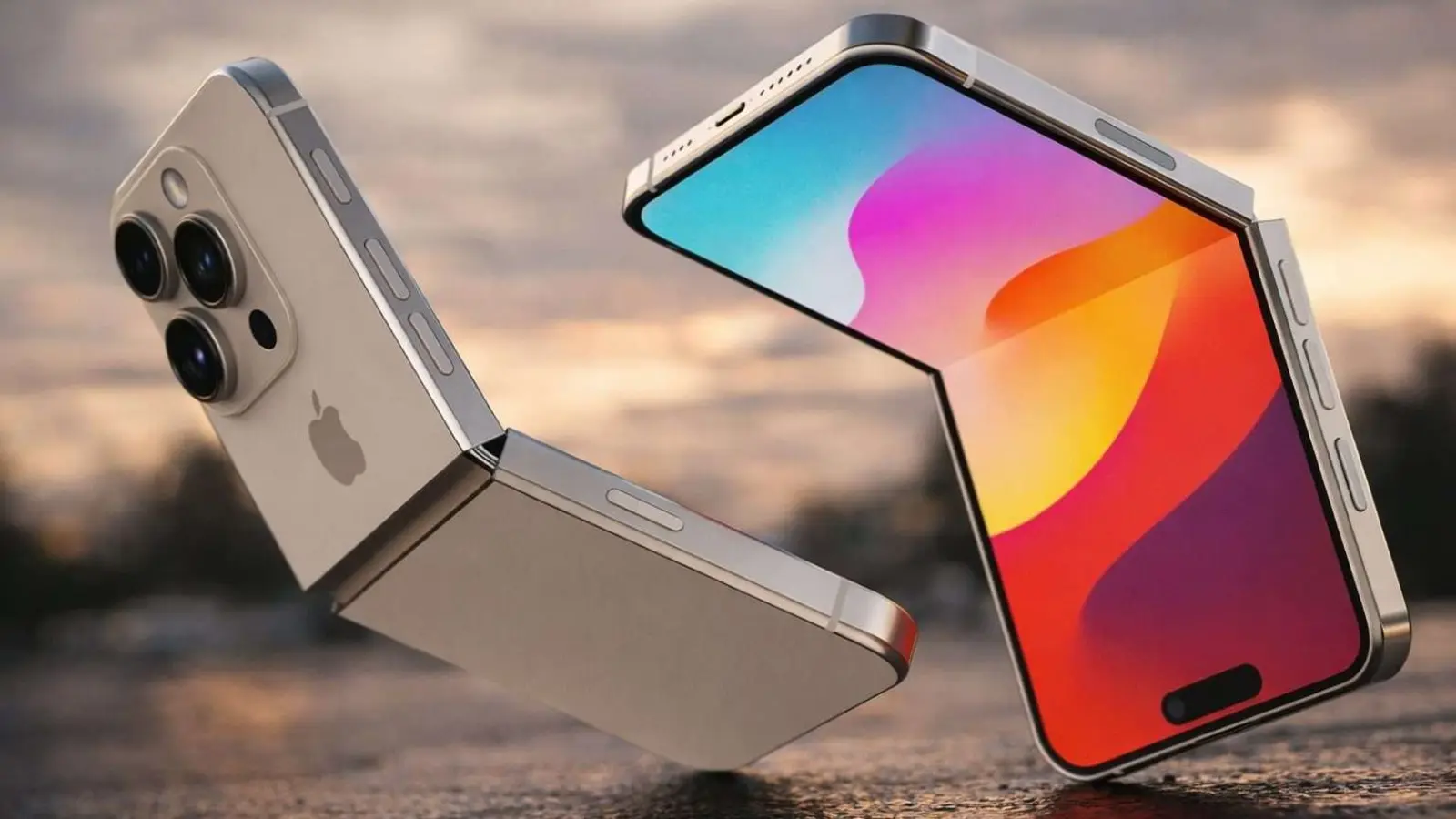
Talk of a pocket-sized, clamshell iPhone has moved out of rumor threads and into lab benches. Sources close to Apple told Bloomberg the company has already built and tested clamshell-style prototypes — the kind of flip phone that folds vertically like the Galaxy Z Flip or Motorola Razr, rather than opening like a small tablet.
The timing feels deliberate. Apple is preparing to unveil its first book-style foldable this year, a larger device aimed at productivity. But engineers appear to be exploring more than one direction. Prototypes matter. They let designers see how thin the hinge can get, how a flexible display behaves after thousands of folds, and whether cameras and batteries can live in a smaller chassis without compromise.
Why bother with a clamshell at all? Because not every buyer wants a pocket-sized tablet. Some want a flagship that tucks away neatly — no big unfolded screen, just a compact device with the flash and flair of a modern premium handset. A flip form factor offers that intimacy. It’s quieter in the pocket. It makes photography gestures feel different. It changes the way you interact with notifications and quick tasks.

That said, Apple hasn’t greenlit mass production. Internal testing shows intent, not commitment. The company historically watches market reactions closely; how consumers respond to its first book-style foldable will likely influence whether a clamshell enters the lineup. If the larger fold proves popular, Apple could accelerate work on a compact counterpart. If sales are soft, the flip concept might remain an experiment.
Expectations from analysts place a potential iPhone Flip launch no earlier than 2027, though timelines can slip. There’s a lot to get right: hinge durability, crease minimization, software optimization for an outer cover display, and the perennial Apple calculus of where form meets profit. Each element must feel unmistakably Apple — not just a clone of existing clamshells, but a reinvention with tight hardware-software integration.
Apple’s approach makes sense: test broadly, then narrow. The book-style model appears aimed at users who want tablet-like productivity without carrying an iPad. A clamshell would aim at an entirely different crowd — those prioritizing pocketability, style, and the novelty of a vertical fold. If Apple can offer both, it wouldn’t just enter the foldable market; it could map it, defining tiers of use and design the way it did with the original iPhone.
For now, the story is in the testing. Prototypes change. Plans shift. But one thing is clear: foldables are no longer a sideshow waiting for validation. Apple is treating the category seriously, and whether that leads to a compact iPhone Flip or a single flagship fold, the next few years will reveal how Apple intends to bend the future of the smartphone.
Source: gizmochina


Comments
Armin
Is this even true? Apple prototypes pop up all the time, some never ship. 2027 sounds optimistic, they’ll prob wait on book-fold sales
mechbit
Whoa, Apple actually building clamshells? If they nail the hinge and battery this could be sexy, but risky... if that’s real then

Leave a Comment