
Market snapshot: Fear index eases as Hormuz drills stoke energy risk
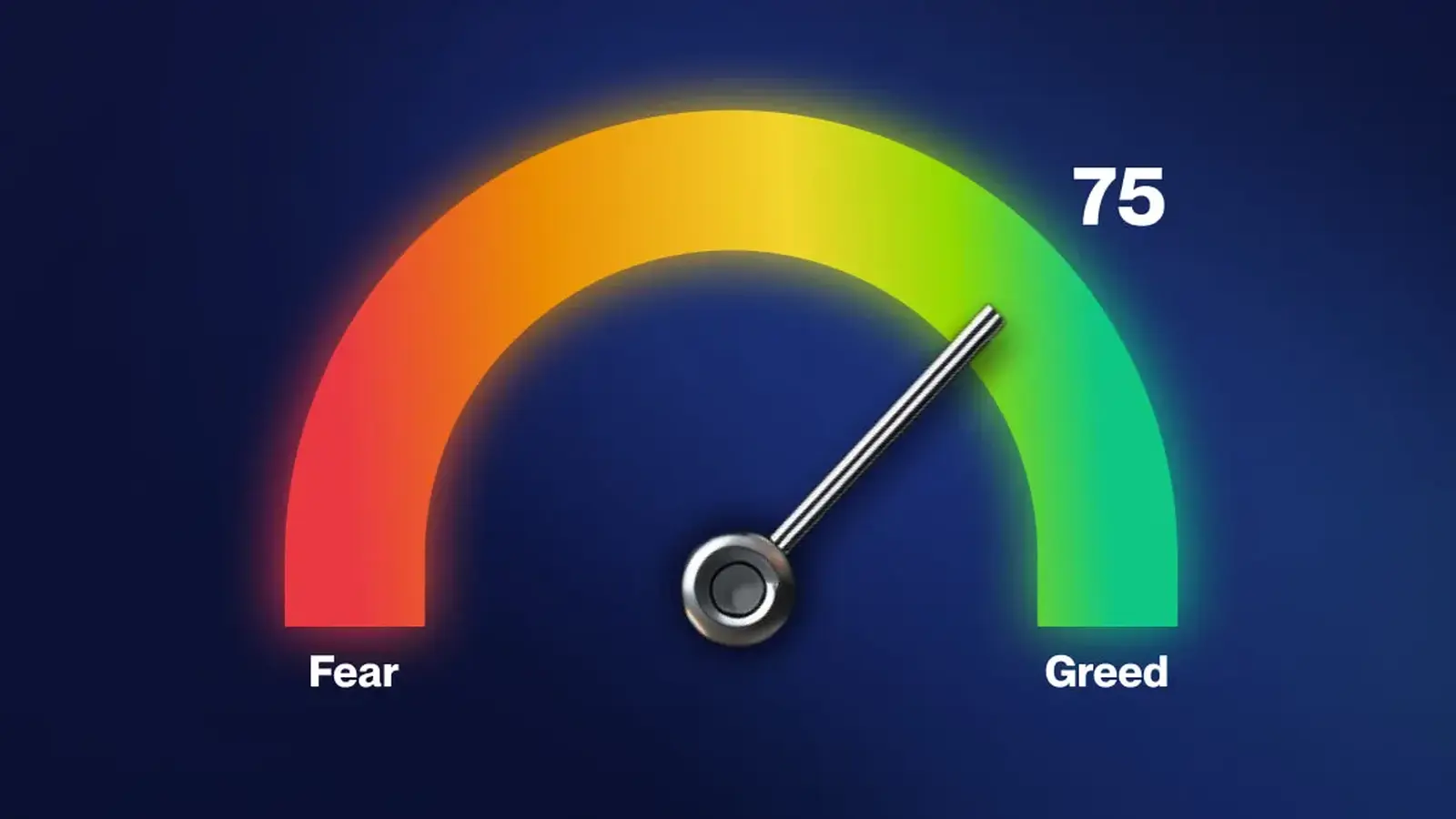
The crypto fear and greed index moved lower this week, slipping from 12 to 10 as geopolitical tensions in the Middle East briefly disrupted shipping through the Strait of Hormuz. Market sentiment softened as traders priced in the risk that higher oil and energy costs could squeeze Bitcoin mining margins and reduce liquidity across crypto markets.
Why the Strait of Hormuz matters for crypto and oil prices
The Strait of Hormuz is a critical choke point for global energy supply. Roughly a fifth to a third of seaborne crude and petroleum throughput passes through the channel, so temporary closures — even if part of naval drills — can push oil prices higher. For crypto investors, rising oil and gas prices translate into steeper electricity costs for BTC miners and increased operational pressure.
How energy costs affect Bitcoin mining and market liquidity
Higher energy bills can dent mining profitability, especially for operators with thin margins. When costs climb, miners may throttle hashing power, pause rigs, or sell portions of their BTC reserves to cover expenses. These actions can temporarily increase sell pressure and tighten liquidity, amplifying downside moves in a market already sensitive to macro and geopolitical news.

Trading volumes across major cryptocurrency markets remained muted as investors awaited U.S. economic releases. Durable goods numbers and Friday’s Personal Consumption Expenditures (PCE) inflation data — closely watched by the Federal Reserve — were expected to shape risk sentiment and directional positioning for crypto assets.
Diplomacy, volatility, and what traders are watching next
Iran’s exercises that caused the temporary closure occurred amid heightened tensions with the U.S., though diplomats from both sides met in Geneva this week. Market participants noted that the trajectory of those talks could determine whether regional risk eases or escalates. A de-escalation would likely improve market sentiment and reduce near-term tail risks for risk-on assets like Bitcoin and altcoins.
Analysts say the current environment underscores the dual sensitivity of crypto to both geopolitics and macroeconomic releases. In recent months, risk-on assets have reacted sharply to shifts in global growth expectations, Fed policy signals, and sudden shocks to commodity prices. For traders and long-term investors, monitoring energy trends, miner balance sheets, and upcoming economic data will be crucial to assessing short-term volatility and liquidity dynamics.
Bottom line: The crypto fear and greed gauge registering a 10 reflects cautious positioning rather than panic. But sustained energy-price pressure or a breakdown in diplomatic channels could force miners into more aggressive cost-management steps, creating additional market stress. For now, many investors are watching PCE, durable goods, and any follow-up developments in the Gulf to set direction for BTC and broader crypto markets.

Discussion
Leave a Comment