
Coinbase pushes back on Wall Street skepticism
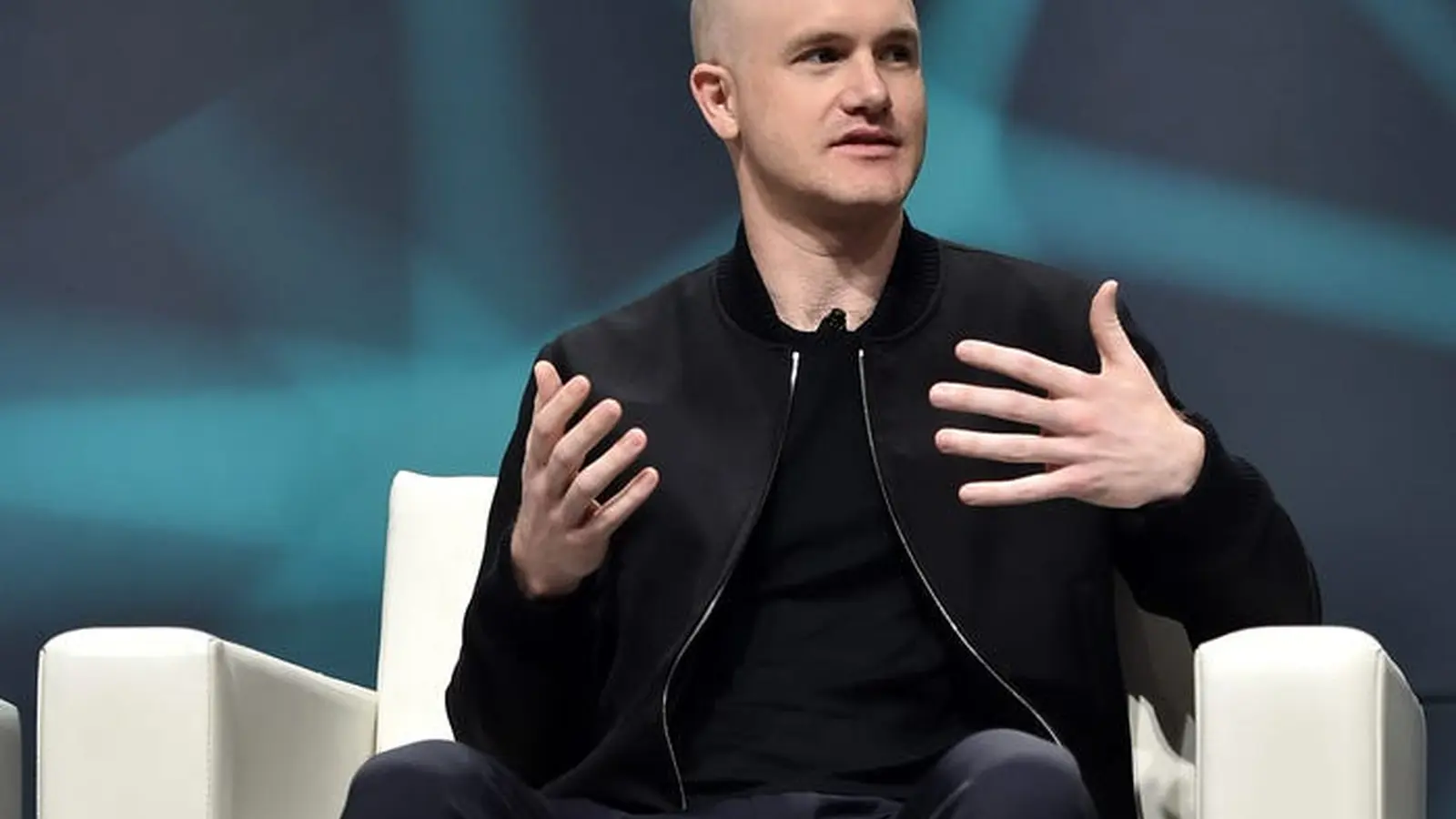
Coinbase CEO Brian Armstrong has fired back at critics who say the exchange is being misread by mainstream financial analysts. In a post on X following an analyst AMA, Armstrong described the firm as facing an innovator's dilemma as traditional banks and legacy financial institutions navigate the disruption posed by digital assets and crypto infrastructure.
Institutional adoption is uneven but growing
Armstrong highlighted that roughly half of major institutions are now engaging with crypto in some form, while others remain reluctant. He pointed to five GSIB banks starting to work with Coinbase, and emphasized that improved regulatory clarity is encouraging broader participation from institutional players. The divide on Wall Street, he argued, is less about Coinbase's fundamentals and more about entrenched incentives inside legacy finance that slow adoption of new asset classes like Bitcoin and Ethereum.
Strong operational metrics despite market headwinds
The CEO underscored a number of growth metrics as evidence that Coinbase is strengthening its market position. The exchange reported a 156% year-over-year increase in trading volume, a doubling of crypto market share in 2025, and a threefold rise in assets held on the platform over three years. Armstrong also noted that Coinbase now has a dozen product lines delivering over $100 million in annualized revenue each, with USDC balances and Coinbase One subscriptions reaching record highs.

He clarified how accounting conventions can cloud earnings headlines, explaining that GAAP net income includes unrealized gains and losses on crypto holdings. On an adjusted basis, he said Coinbase posted profitability last quarter even in a softer macro crypto market, pointing to revenue diversification and a broader set of institutional services as drivers of resilience.
Criticism, stock sales and security questions
Armstrong's remarks on X prompted sharp reactions from some users. Critics questioned the CEO's repeated sales of Coinbase stock, asking why he is not buying shares if he believes the company is undervalued. Others raised concerns about security priorities, product choices, and the firm’s handling of Base sequencer fees and ETH exposure — accusing the company of lacking conviction in the Ethereum ecosystem by monetizing fees rather than staking or holding ETH long term.
One recurring question from users was straightforward: if Coinbase is truly misunderstood by analysts, why isn’t the CEO buying more stock? Such critiques add pressure amid heightened public scrutiny of executive share transactions in listed crypto firms.
How Coinbase frames its competitive edge
Armstrong compared crypto’s disruption of finance to how Uber, Airbnb, and SpaceX changed their industries. He argued Coinbase is positioned to benefit as institutions shift assets and infrastructure toward digital-native solutions. The company’s expanding roster of custody, institutional trading, compliance tooling, and consumer products underpins its pitch to investors that Coinbase is more than a retail exchange — it’s an infrastructure platform for the crypto economy.
What this means for investors and the market
For investors tracking crypto exchanges, the story is twofold: operational momentum and market skepticism. Coinbase’s key performance indicators show tangible growth in trading volumes, market share, and product revenue diversification. Yet persistent concerns on governance, executive behavior, and accounting treatment of crypto holdings continue to shape analyst sentiment.
As regulatory clarity improves and more large institutions pilot or adopt digital asset strategies, Coinbase’s narrative may shift from being misread to widely appreciated — but only if it continues to demonstrate transparent capital allocation, robust security practices, and long-term conviction in the crypto networks it helps service.
Investors should watch upcoming earnings, regulatory developments, and institutional onboarding trends to assess whether Coinbase can translate current operational strength into sustained valuation gains as Wall Street’s divide on crypto gradually narrows.

“I cover automotive innovation, electric vehicles, and the future of mobility — where technology meets sustainability.”

Discussion
Leave a Comment