
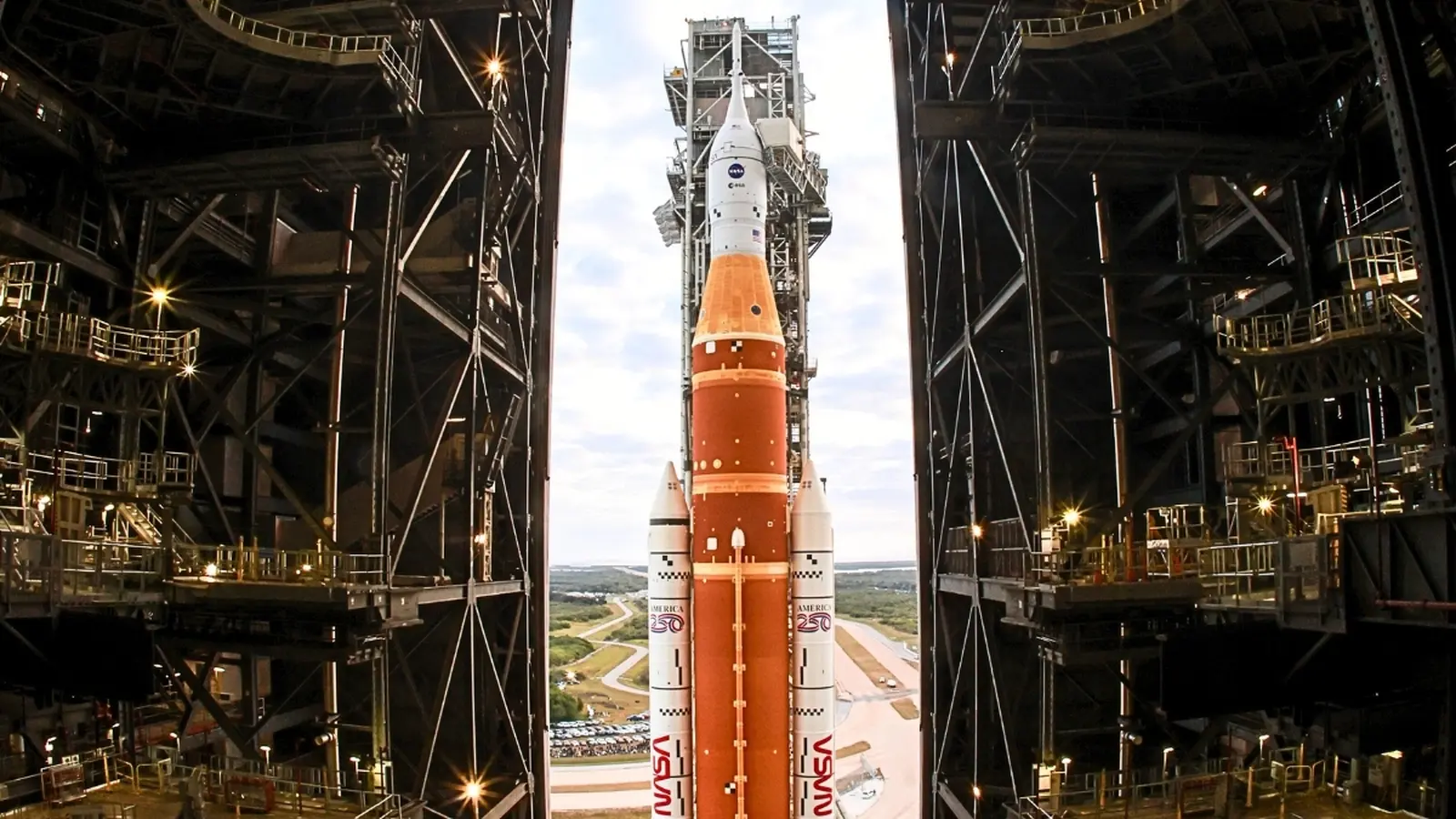
Plans are underway for a crewed touchdown near the Moon's south pole, but the mission won't proceed on a wish. It's still several years away, and leaders are making clear that safety—not schedule—will decide the launch date.
"We will not launch unless we are ready, and the safety of our astronauts will remain the highest priority," Jared Isaacman wrote last week on X. The remark came during a high-profile fueling test that doubled as a reminder: preparation matters, margins matter, and trust must be earned.
Why the south pole matters — and why caution matters more
The lunar south pole is attractive to explorers because of its shadowed craters and potential water ice—resources that could support long-term presence and fuel production. Landing two astronauts there would be a technical milestone, opening new science and exploration pathways. But the terrain is unforgiving. Slopes, extreme lighting contrasts and the need for precise navigation raise the stakes for any crewed descent.

Recent friction surrounding Boeing's Starliner program underscores that danger. Isaacman publicly criticized the company and NASA leadership after a Starliner anomaly left two astronauts aboard the International Space Station for months longer than planned. He warned that the incident could have escalated into a life-or-death situation, a blunt assessment that has refocused attention on system reliability and oversight.
Those are the twin threads running through the project right now: the lure of scientific opportunity at the south pole, and the hard lessons from near-misses in crew transport. Engineers are refining fueling procedures, testing landing systems in simulation, and replaying failure scenarios until responses become instinctive.
There is optimism. There is also caution. The timeline can stretch. Aerospace history shows that when a crewed mission waits for readiness, the result is often not just a safer flight but a more durable program—one that survives its first landing and then goes on to do the science we came for.

“The cosmos has always fascinated me. I write about space missions, astronomy, and the technologies pushing humanity beyond Earth.”

Discussion
Leave a Comment