
3 Minutes
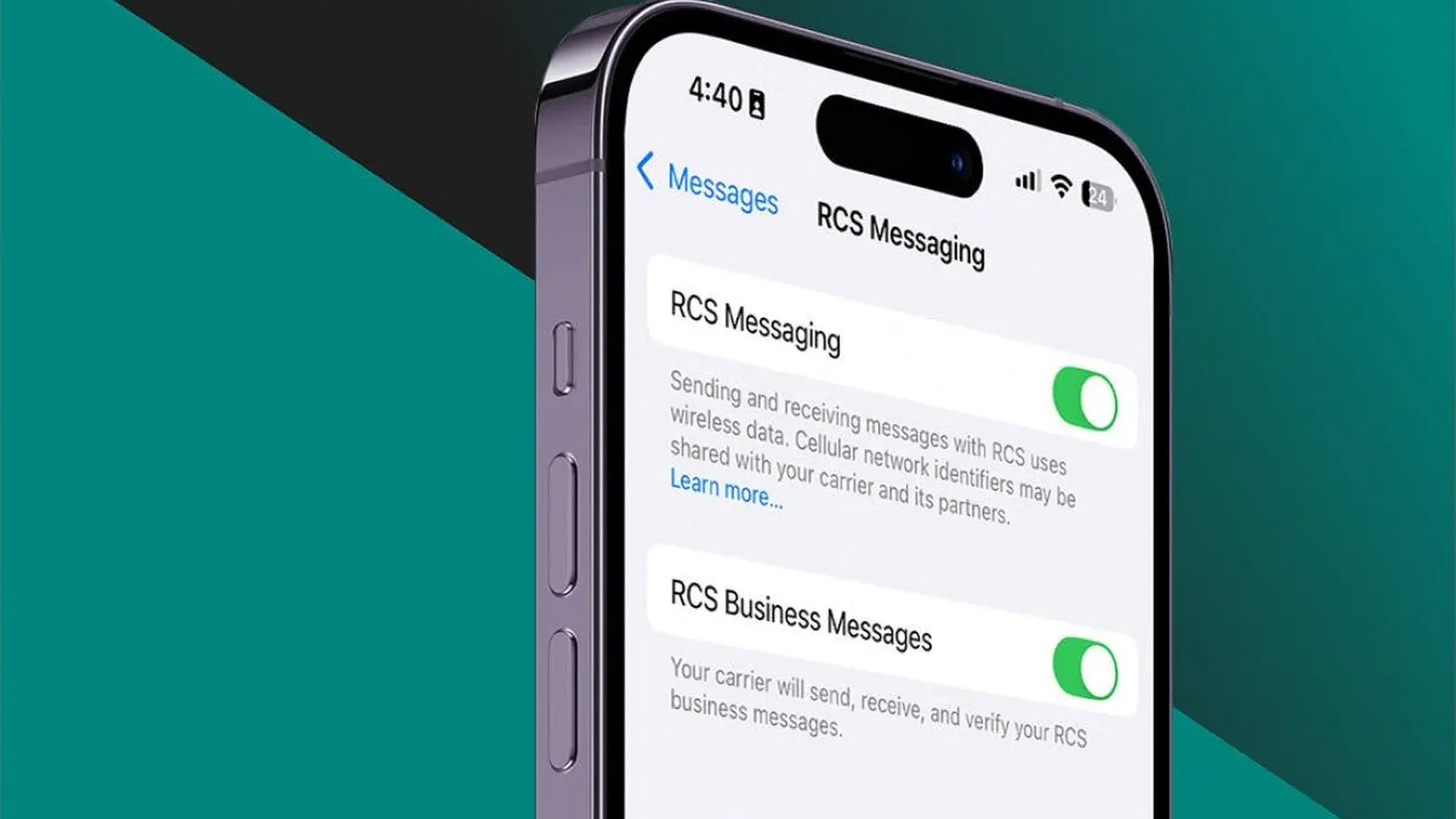
Apple quietly flipped a switch in the iOS 26.4 developer beta: end-to-end encrypted RCS is now present, but the moment feels more like a tease than a full reveal. The toggle lives in Settings. Turn it on and supported chats show a lock symbol, a small signal that conversations are being wrapped in encryption as they move across networks.
For anyone who’s followed the iPhone-versus-Android messaging skirmish, this will sound familiar. RCS—Rich Communication Services—has been pitched as the modern replacement for clunky SMS, a richer, more secure protocol for texting. Apple spent years resisting RCS, arguing the standard lacked robust end-to-end protections, while iPhone owners enjoyed encrypted blue-bubble iMessage threads and Android users gradually migrated toward RCS via Google Messages.
So what changed? Apple added RCS support back in iOS 18, but without the encryption that would matter most to privacy-minded users. The iOS 26.4 developer beta now includes encryption, yet there’s an important caveat: encrypted RCS in this beta only works between Apple devices and only when iMessage is turned off. In plain terms, green-bubble security headaches between iPhone and Android persist.
Yes, Google has offered encrypted RCS in its Messages app for compatible devices for some time. But stitched, cross-platform end-to-end encryption depends on a common implementation that all major players adopt in lockstep. That’s the rub. Apple’s implementation looks like a contained step forward—progress, but clearly fenced within the Apple ecosystem.

There’s an extra wrinkle. If iMessage remains enabled, Apple’s own messaging pipeline takes precedence for conversations between Apple devices. Only by disabling iMessage does encrypted RCS kick in. It’s an awkward handoff. It raises the obvious question: is this about giving users more choice, or preserving Apple’s messaging identity while hedging on interoperability?
Will Android-to-iPhone encrypted texting arrive soon? The beta proves Apple is moving in that direction, but it’s not a guarantee of universal, cross-platform encryption yet. The feature isn’t part of the stable iOS 26.4 roadmap, and no firm timeline has been offered. In practice, arriving at true iPhone-to-Android encryption requires Apple and Google—and any other carriers or vendors involved—to settle on exact specs and roll them out broadly.
For now, think of this update as a checkpoint rather than a finish line. Developers and privacy advocates will dissect the implementation, carriers will test compatibility, and users will watch for the moment when the lock icon finally spans ecosystems. Until then, if you want encrypted RCS with Apple’s beta, toggle thoughtfully and keep an eye on the next releases.
Source: gizmochina



Leave a Comment