
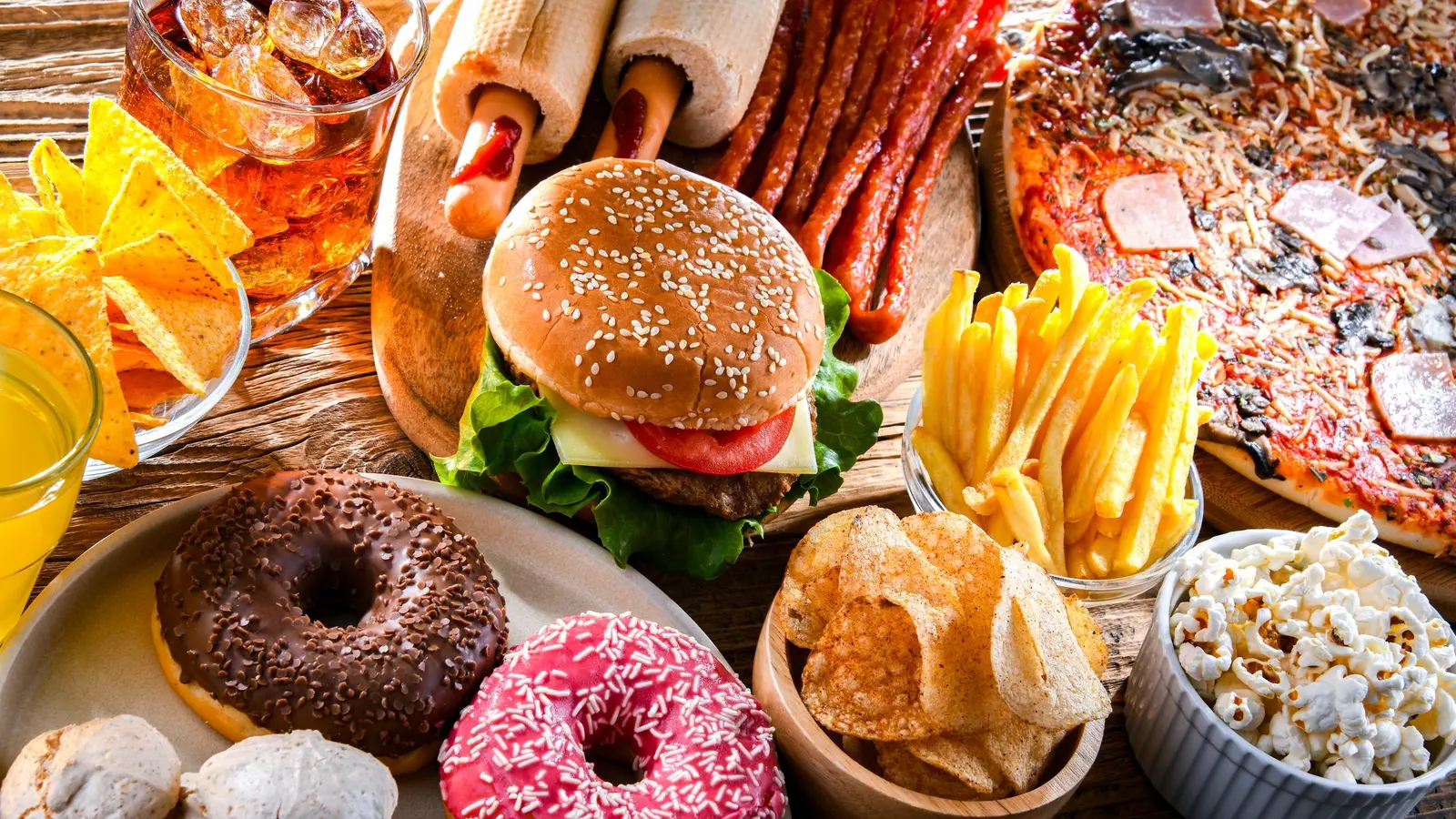
Think a quick snack can’t harm your heart? Think again. A fresh analysis of U.S. dietary data ties heavy consumption of ultra-processed foods to a substantially higher chance of having had a heart attack or stroke — nearly half again as likely for people who eat the most.
How the researchers measured risk
The investigators tapped the National Health and Nutrition Examination Survey (NHANES) records from 2021–2023, working with 4,787 adults who provided detailed two-day dietary recalls. Every item reported was classified by degree of processing using a validated system; researchers then calculated what share of each person’s daily calories came from ultra-processed foods. Participants were sorted into four groups from the lowest to the highest UPF intake and asked whether they had ever experienced a heart attack or stroke.
The headline result was stark. After adjusting for age, sex, race and ethnicity, smoking status and income, those in the highest consumption group showed a 47% greater likelihood of reporting cardiovascular disease — defined in this study as a prior heart attack or stroke — than people in the lowest group. Average participant age sat at 55. A slight majority were women.
Why ultra-processed foods may damage the heart
Ultra-processed foods cover a broad set of industrially manufactured items: soft drinks, packaged snacks, many ready-to-eat meals, processed meats and candy, among others. They are formulated to be hyper-palatable, shelf-stable and cheap. That convenience comes at a cost. Processing strips much of the food’s original matrix and often replaces it with added fats, refined sugars, excess salt, emulsifiers and other additives — ingredients the body didn’t evolve to handle in such concentrated forms.

Decades of research link high UPF intake to metabolic syndrome — the cluster of overweight, high blood pressure, abnormal cholesterol and insulin resistance that foreshadows cardiovascular disease. Biological markers tell a consistent story: frequent consumers often exhibit elevated high-sensitivity C-reactive protein (hs-CRP), a sensitive measure of systemic inflammation and a robust predictor of future heart attacks and strokes. In short, diets heavy in these industrially altered products promote the physiologic conditions that make a heart attack or stroke more likely.
That inflammatory thread also raises broader oncologic concerns. The investigators note growing colorectal cancer rates, particularly among younger adults, and suggest that ultra-processed diets may be part of the explanation. The same mechanisms — chronic inflammation, disrupted gut microbiota, altered metabolic signaling — can influence both cardiovascular and gastrointestinal disease risks.
Public health and clinical implications
Interpretation matters. This study is observational: it cannot prove cause and effect in the strictest sense. However, the effect size — a near 50% higher reported incidence in the highest consumers — is large enough to warrant attention from clinicians and policy makers alike. The researchers emphasize that the pattern of results is consistent with prior trials and cohort work that associate UPF intake with weight gain, higher blood pressure, poorer lipid profiles and inflammation.
If these findings hold in longitudinal and interventional work, the implications resemble past public-health shifts such as the long, fraught journey from widespread smoking acceptance to broad anti-tobacco policies. Changing food environments is harder than changing individual behavior. Corporate marketing, food deserts, price structures and convenience all push many people toward processed options. Turning the tide will require policy, better food labeling, clinical guidance and community-level strategies that make healthy choices easier and more affordable.
Guidance for clinicians and people who cook
Until randomized controlled trials give firmer causal evidence, a pragmatic approach is to reduce reliance on ultra-processed products as part of an overall heart-healthy lifestyle. That means emphasizing whole foods — vegetables, fruits, legumes, whole grains, lean proteins and minimally processed dairy — while minimizing soda, packaged snacks, processed meats, and ready-to-eat microwave meals. Clinicians should frame advice in practical terms: swap one processed snack for a piece of fruit, choose water instead of sugary drinks, or prepare more meals from basic ingredients when feasible. Small, sustainable changes add up.
Expert Insight
Dr. Maya Levine, a public health nutritionist with experience in community food systems, offers a grounded take: 'We don’t need perfect diets. We need environments that nudge people toward better options. If your neighborhood store stocks affordable frozen vegetables instead of sugary drinks, choices follow. Clinical messages carry weight, but they must be backed by policies that change how food is produced, priced and marketed.'
That perspective speaks to the study’s dual message: individual risk and structural responsibility. Clinicians can counsel patients now, even as researchers pursue randomized studies. Policy makers, meanwhile, should treat the ubiquity of UPFs as a modifiable threat to population health rather than an immutable cultural preference.
Future research priorities are clear. Longitudinal cohorts that track diet changes and incident cardiovascular events, randomized feeding trials that substitute whole-food diets for UPF-heavy diets while measuring inflammation and vascular function, and mechanistic studies that examine how additives and altered food matrices affect the gut, metabolism and endothelium — all are needed to move from correlation to confident causal pathways.
For individuals, the practical takeaway is simple: every meal matters. A single ultra-processed item won’t determine fate. But a diet that leans heavily on these products stacks the deck toward inflammation, metabolic strain and vascular damage. The data from NHANES add urgency to a long-running public-health question: can we redesign food systems so the healthy choice is the easy one? If that sounds like a big ask, remember: public health has changed before, one policy and one community at a time.

“The cosmos has always fascinated me. I write about space missions, astronomy, and the technologies pushing humanity beyond Earth.”

Discussion
Leave a Comment