
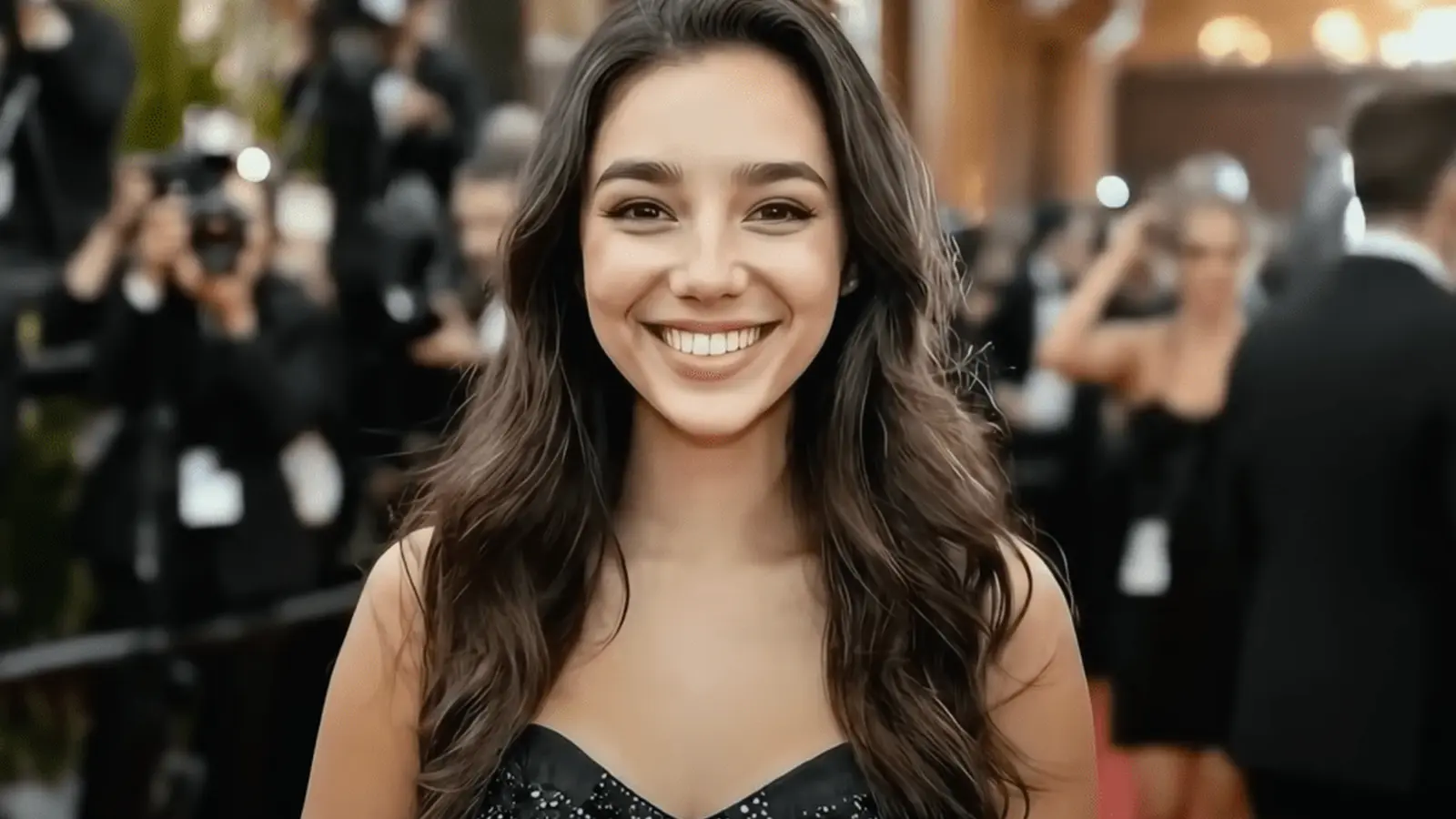
Who really paid for Tilly Norwood?
The story of Tilly Norwood — the AI actress that sparked debate across Hollywood and the UK screen sector — has a new twist. Eline Van Der Velden, the technologist behind the project, has publicly clarified that British Film Institute (BFI) funding was not used to develop the avatar. Instead, she says the work was financed through a separate company, Xicioa, and by her personal investment, while Particle6 — her earlier business — received a distinct BFI grant aimed at international growth.
That distinction matters. When the news first broke, many actors and industry voices worried about public money being used to create technology that could displace performers, especially those earlier in their careers. The debate echoes past controversies: digital resurrection in commercial film projects and the uneasy reception to synthetic likenesses in both advertising and entertainment.
Van Der Velden has explained that Particle6’s £120,000 UK Global Screen Fund grant (awarded in November 2023) was explicitly dedicated to international business development — attending overseas markets, acquiring IP, and hiring international outreach staff — not to AI talent creation. The BFI confirmed that the award to Particle6 was separate from Xicioa’s later formation and the public launch of Tilly Norwood in mid-2025.
Industry context and why this matters
AI actors and virtual influencers are part of a growing trend in entertainment technology. Studios and ad agencies are experimenting with synthetic performers from social campaigns to series promotion. But the stakes are different when public bodies or cultural institutions appear to bankroll these developments. The BFI’s June 2025 report, AI in the Screen Sector: Perspectives and Paths Forward, advocates ethical and transparent AI integration — and that guidance has become central to this discussion.

Compare this moment to earlier industry flashpoints: the digital recreation of deceased performers in blockbuster films, and recent policy moves by technology firms to limit AI-generated likenesses of public figures. Each episode has forced the sector to balance innovation with artists’ rights and job security.
Behind the scenes, Particle6 (founded in 2015 and supported by Channel 4 and Creative UK) now positions itself as an AI production company, while Xicioa markets itself as an AI talent studio. Van Der Velden says the IP for Tilly Norwood belongs to Xicioa, with Particle6 providing services under contract.
"The distinction between grant-funded expansion and privately funded product development is crucial for transparency," says cinema historian Marko Jensen. "Audiences and performers need clear lines of accountability when new technologies enter the production pipeline."
Critics have called for clearer industry standards: who owns an AI performer, how likeness rights are protected, and what safeguards exist for human actors. Supporters argue synthetic talent can open creative possibilities — new genres of storytelling, cost-effective marketing, and round-the-clock virtual performers — if regulated responsibly.
Tilly Norwood has become a lightning rod because she sits at the intersection of art, technology, and public funding. Instead of a simple yes-or-no about who paid for what, the episode reveals how fast startups pivot, how IP is shuffled between entities, and why transparency matters for public trust.
Whether you see AI actors as creative tools or an existential threat to performers, the Tilly Norwood story is a useful case study in governance, ethics, and the future of screen storytelling.
A short note: many questions remain about contracts, consent, and copyright — areas where regulators and the industry will likely need to act sooner rather than later.

"I’m Layla. Series watcher, story-lover, fan of movie. If it’s worth your screen time, I’ll let you know!"

Discussion
Leave a Comment