
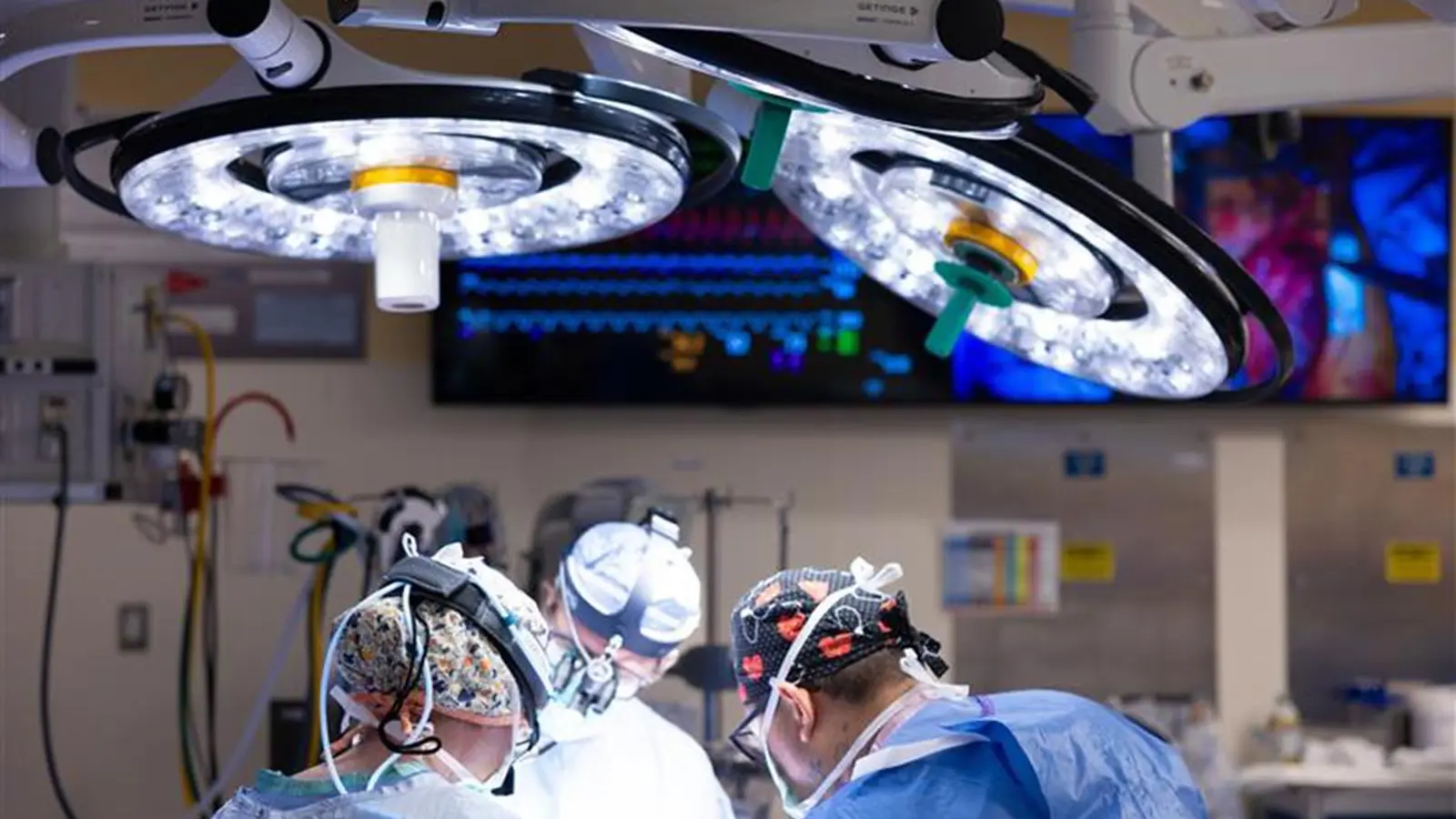
Historic 16-hour operation restores life to an 11-year-old
In a rare medical milestone, Children’s Hospital Colorado completed its first pediatric dual heart and liver transplant—an intricate, 16-hour procedure that saved 11-year-old Gracie Greenlaw. The case required tightly synchronized work from more than two dozen multidisciplinary teams and highlights how modern medicine and logistics converge much like an elite automotive pit crew racing against the clock.
Why this case mattered
Gracie was born with hypoplastic left heart syndrome (HLHS), a congenital condition in which the left side of the heart is underdeveloped. She survived three major staged operations—Norwood, Glenn and Fontan—procedures that have transformed the prognosis for single-ventricle patients. But those lifesaving surgeries can put prolonged strain on other organs, and over time Gracie developed severe liver dysfunction and worsening respiratory symptoms from plastic bronchitis.
Her care team concluded that a combined heart and liver transplant offered the best long-term outcome. Across the United States, only a few dozen pediatric patients have undergone both a heart and liver transplant, making this both a medical and programmatic achievement for the hospital.
Teamwork, planning and clinical engineering
Months of preparation preceded the operation. Surgeons, cardiologists, hepatologists, anesthesiologists, perfusionists and critical care nurses planned every phase, from pre-op stabilization to post-op recovery. That level of cross-disciplinary coordination mirrors how leading automakers prepare for complex launches: engineers, supply chain specialists and technicians run simulations, define contingencies and rehearse timing to reduce risk.

The operation itself was divided by urgency and organ viability. Because donor hearts have a very limited window outside the body, the surgical team prioritized the heart transplant first. During the nine-hour heart procedure, the donor liver was maintained on a TransMedics Organ Care System—a device that perfuses and nourishes the liver outside the body, similar in concept to a mobile life-support system—allowing surgeons to perform the liver transplant after the heart was in place.
Organ transport and the logistics parallel to automotive supply chains
Organ donation and transplant logistics share surprising overlap with automotive concepts: time-sensitive delivery, temperature and perfusion control, and single-window viability that mirrors vehicle range constraints. In automotive terms, the donor heart had limited "range"—it needed to be implanted quickly—while the donor liver benefitted from active preservation technology that extended its viable delivery time.
These parallels matter for readers interested in transport technologies and vehicle engineering:
- Active organ preservation (like the TransMedics system) functions as a mobile microenvironment, akin to advanced refrigerated transport or battery thermal management systems in electric vehicles. Both aim to maintain a critical operating envelope under time pressure.
- Coordination across teams resembles a synchronized pit stop: every second matters, and clear roles plus rehearsed handoffs reduce risk.
- Ground and air ambulance logistics are the "last mile" of organ delivery—optimizing route, speed and environmental control is as important for a donated organ as it is for automotive logistics moving high-value components.
Details of the 16-hour operation
Less than a month after Gracie was listed for a dual transplant, a compatible donor became available. The medical team executed a plan refined over months. The heart transplant—led by the Pediatric Heart Transplant Program—took approximately nine hours. The liver team then completed the seven-hour liver transplant, totaling 16 hours of open-surgery time. Anesthesia and critical care teams monitored volume status, electrolytes and hemodynamics throughout, adapting to physiological changes as surgeons moved between organ systems.
The result: both transplants were successful, and Gracie began the long road of recovery in the cardiac progress care unit.
Recovery, prognosis and long-term outlook
Gracie was discharged a little over a month after surgery and, months on, has returned to school and life at home with her dogs. Pediatric heart transplant recipients typically face the prospect of eventually needing another heart transplant later in life; however, the transplanted liver is expected to function for many decades.
The case underscores how advanced transplant care demands not just surgical skill but also robust post-op follow-up, immunosuppression management and rehabilitation—elements that create a care “platform” comparable to ongoing vehicle maintenance and software updates in modern cars.
"Performing Children’s Colorado’s first dual heart and liver transplant is a milestone for our Pediatric Transplant Program," said Dr. Megan Adams, surgical director of Pediatric Liver and Kidney Transplant Programs. "This level of care reflects years of focused collaboration and institutional investment."
What car enthusiasts and industry watchers can take away
For readers interested in automotive news and technology, this transplant story offers a few transferable lessons:
- Systems thinking matters. Complex outcomes depend on interdisciplinary teams working to a single objective—whether launching a new vehicle platform or performing a dual-organ transplant.
- Innovation in preservation and logistics can change what’s possible. Just as battery cooling or fast-charging technologies shift EV performance, organ perfusion systems extend viable windows and enable more complex surgeries.
- Time-critical operations demand redundancy and rehearsal. In automotive manufacturing and motorsport, teams simulate scenarios to find weak points. The same approach in medicine saves lives.
Key highlights
- First pediatric combined heart and liver transplant at Children’s Hospital Colorado.
- 16-hour operation led by multi-disciplinary teams across 25 specialties.
- Donor liver maintained with a TransMedics Organ Care System while the heart transplant was performed first.
- Successful recovery: Gracie discharged and back to school months after surgery.
This story is a reminder that high-performance teamwork, precise logistics and advanced preservation technologies are central both to cutting-edge medicine and to the automotive world. Whether you follow transplant breakthroughs or the latest EV thermal management, the same principles—speed, reliability and systems engineering—drive progress.
Final note
As medical centers expand their capabilities, cases like Gracie’s will inform best practices and technology investments. For an audience that values engineering, performance and teamwork, the intersection of surgical excellence and transport technology is a compelling area to watch—where innovation can literally mean the difference between life and death.

“The cosmos has always fascinated me. I write about space missions, astronomy, and the technologies pushing humanity beyond Earth.”

Discussion
Leave a Comment