
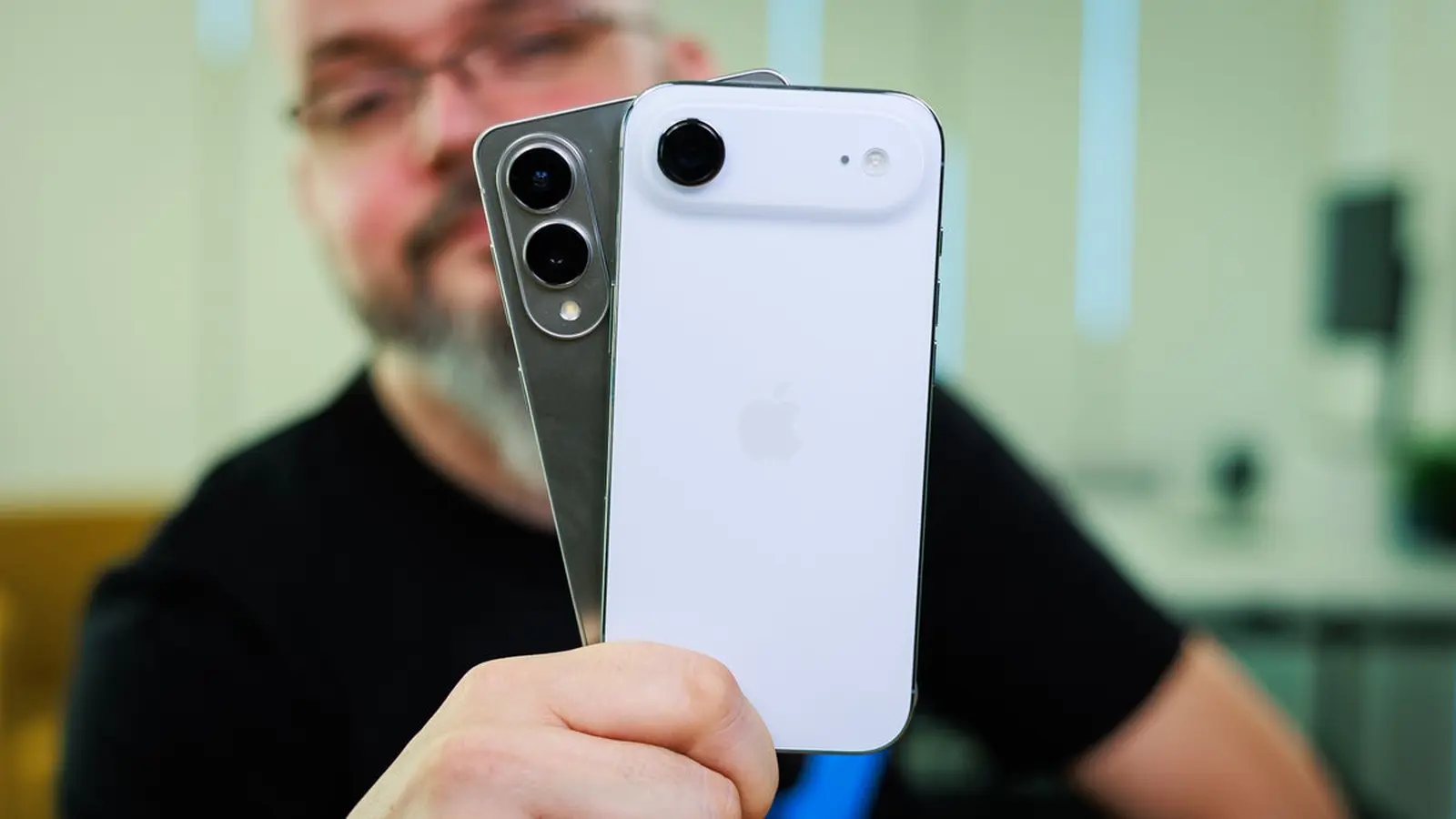
Apple and Samsung both bet on ultra-thin flagships in 2025 — but early signs suggest customers aren’t as thrilled as the brands hoped. The Galaxy S25 Edge and Apple’s iPhone Air launched with fanfare, yet sales reports and production cuts hint the slim-phone trend may have been overestimated.
Slim design didn’t equal mass appeal
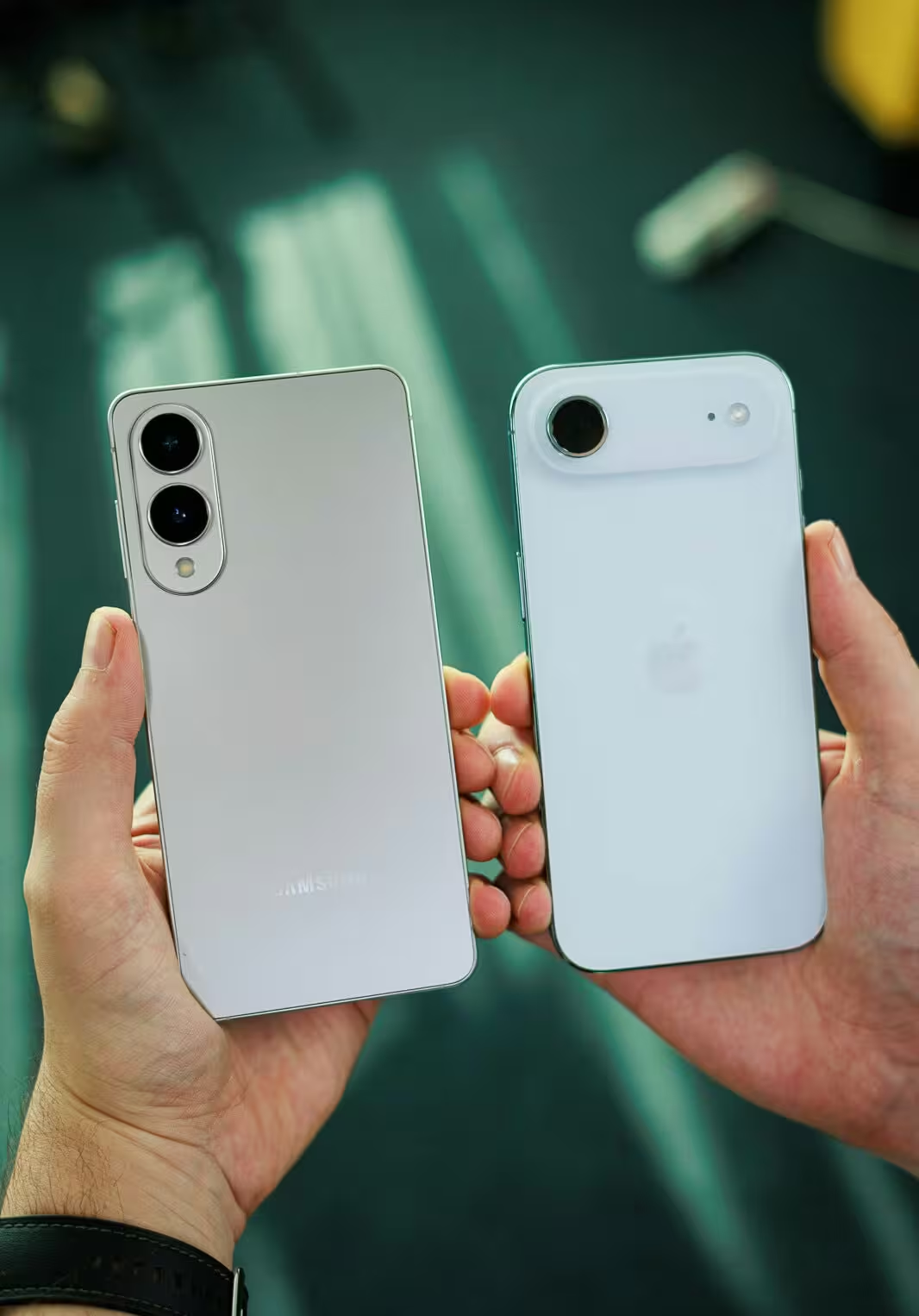
Samsung beat Apple to market with the Galaxy S25 Edge, promoting a sleeker profile as the next big thing. Yet insiders and market watchers reported weaker-than-expected demand. Rumors now say Samsung dropped plans for a Galaxy S26 Edge, potentially making the S25 Edge a one-off experiment rather than a long-term direction.
Apple faces a similar headache
Apple’s iPhone Air arrived just months later, marketed as a lightweight alternative within a lineup dominated by Pro models. But Japan's Mizuho Securities flagged disappointing sales and advised investors that Apple plans to cut iPhone Air production by roughly one million units this year. Meanwhile, the iPhone 17 Pro and Pro Max are performing better, showing that buyers still favor feature-rich flagships over mere thinness.
Why ultra-thin alone isn’t convincing buyers
- Compromises on battery life: Slimmer bodies often mean smaller batteries, and consumers notice shorter endurance.
- Less room for cooling and hardware: High-performance components struggle without adequate space, forcing makers to dial back features.
- Value vs. novelty: Many buyers prioritize cameras, display quality and battery over a thin chassis that looks impressive but offers little daily benefit.
- Price sensitivity: Ultra-thin engineering drives costs up, and not all customers are willing to pay a premium for form factor alone.
Imagine choosing between a phone that lasts all day and one that slips neatly into a pocket but needs a charger by evening. For a growing number of users, the practical choice wins.
What this means for smartphone lineups
Both Apple and Samsung appear to be testing consumer appetite. Samsung may have concluded the Galaxy S25 Edge delivered enough brand value without committing to an ongoing edge-focused series. Apple’s production cut suggests the company is ready to pivot if demand doesn’t pick up.
For rival manufacturers, the lesson is clear: gimmicks won’t replace substance. Several brands have also toyed with ultra-thin designs, but long-term success will hinge on balancing aesthetics with battery life, camera performance and price.
Ultimately, ultra-thin phones made for headlines — and for a stylish minority — but mainstream buyers still prioritize real-world performance. Expect design experiments to continue, but don’t be surprised if future models focus less on wafer-thin profiles and more on practical upgrades that customers can actually feel.

“I love exploring gadgets, apps, and trends that redefine how we connect, work, and play in a digital world.”

Discussion
Leave a Comment