
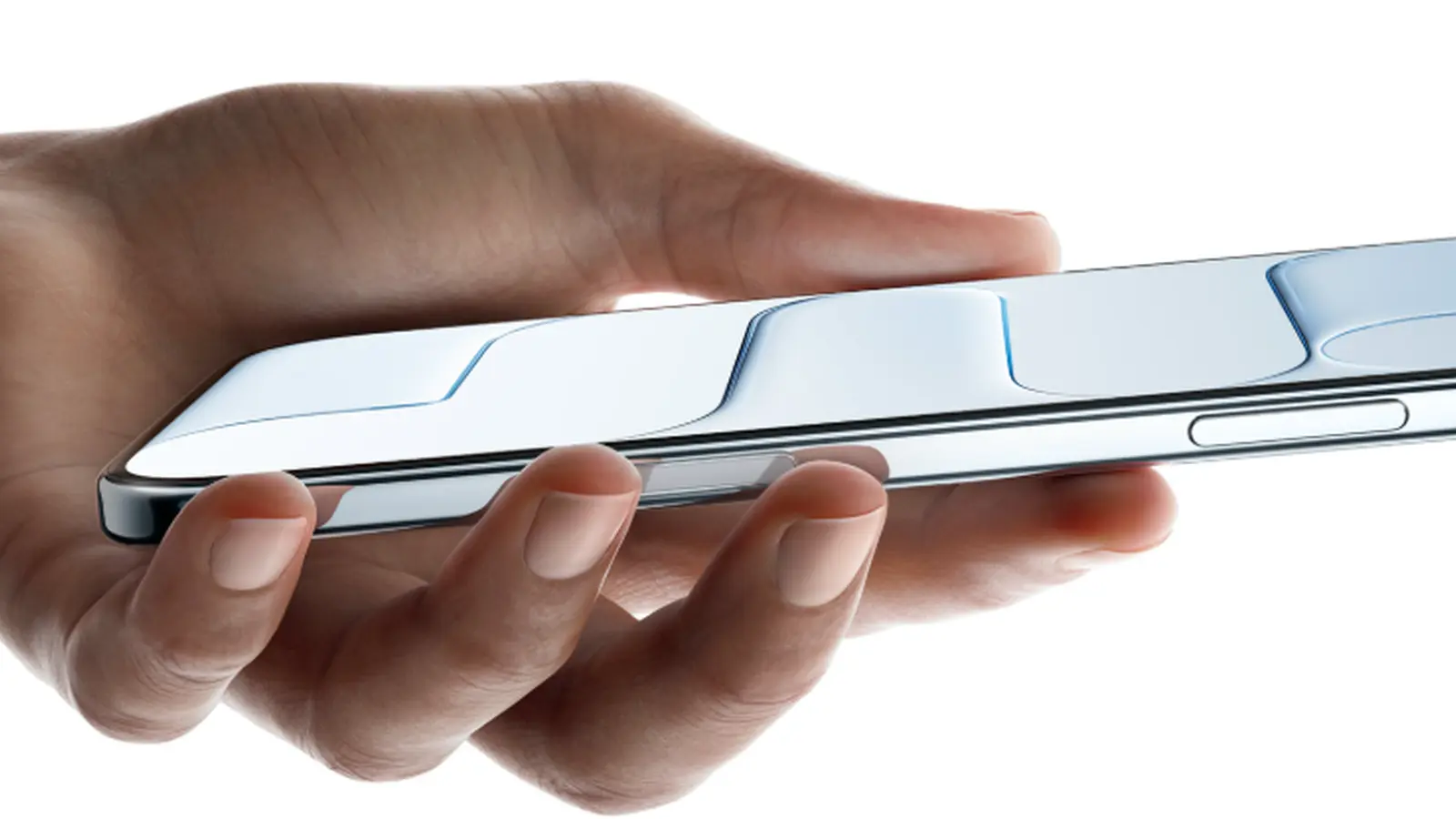
Apple’s newest iPhone, the ultrathin iPhone Air, disappeared from Chinese shelves within minutes of its launch — a dramatic sign that the brand still thrills Chinese consumers even as local rivals sharpen their edge.
Launch day frenzy: pre-orders vanish in five minutes
Pre-sales for the iPhone Air opened after Chinese regulatory approval, with online reservations starting at 8:00 p.m. on Apple’s China site and major platforms like JD.com and Tmall. By 8:05 p.m., listings showed no stock left. Official shipping estimates were immediately pushed back by one to two weeks, and long queues formed outside Apple Stores in Beijing, Shanghai and Tianjin.
Analysts estimate that hundreds of thousands of units moved in the first wave, although Apple hasn’t confirmed exact numbers. The speed of the sell-out underlines two things: strong brand loyalty and carefully timed marketing around a high-profile visit by Apple’s CEO.
Tim Cook’s China visit: more than photo ops
Tim Cook’s trip to China gave the launch extra momentum. He met senior officials, including Vice-Premier He Lifeng and Commerce Minister Wang Wentao, to discuss trade, investment and cooperation with local partners. Cook also met developers, suppliers and students at Tsinghua University, announcing a donation to support environmental leadership programs.
Coverage of Cook’s visit went viral on Chinese social platforms, helping to build buzz ahead of the drop. The combination of diplomatic outreach and on-the-ground engagement reinforced Apple’s message: this is a strategic market where it plans to remain deeply involved.
What’s new in the iPhone Air—and who it’s for
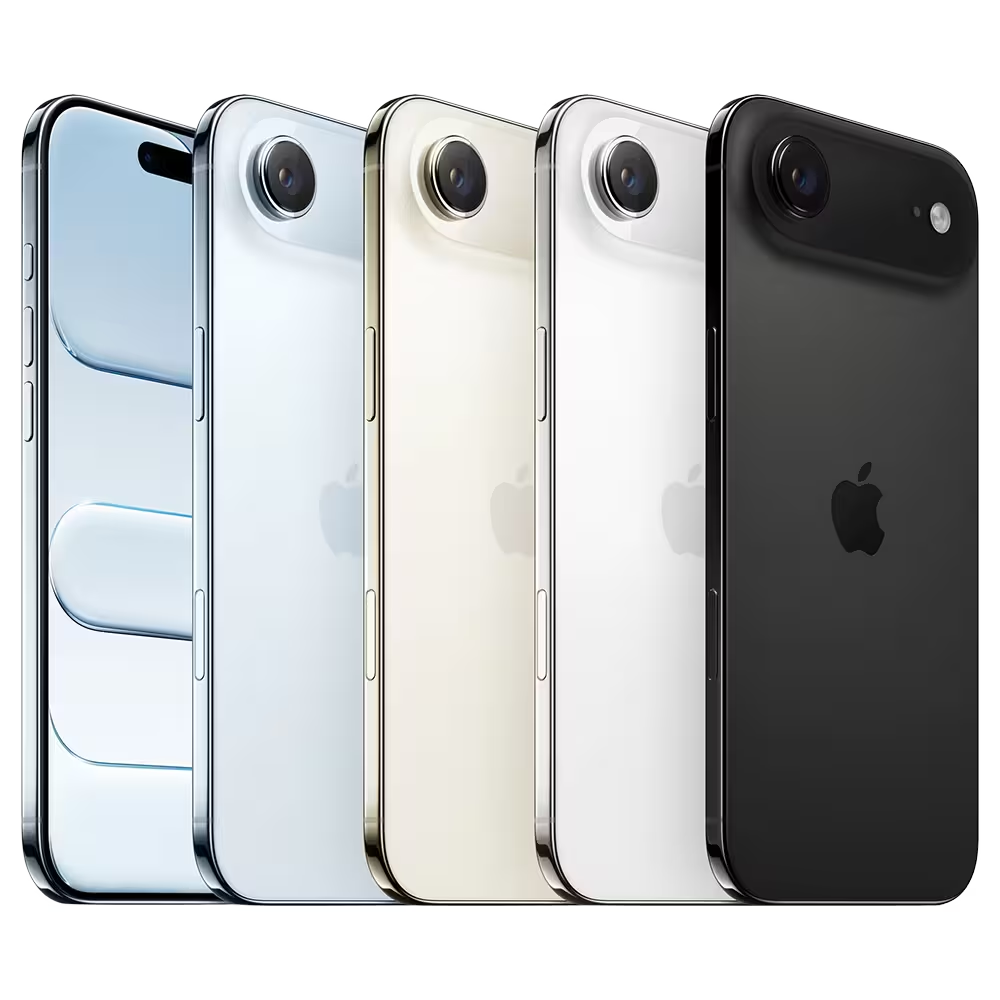
The iPhone Air is Apple’s slimmest phone to date at 5.1 mm. It ships with the upgraded A18 chip, camera improvements and better battery performance, but it’s notable for supporting eSIM only in China — no physical SIM tray. The starting price is 5,999 yuan (about $845), positioning it as a premium, featherweight option for buyers who prioritize design and performance.
- Thickness: 5.1 mm — thinnest iPhone yet
- Processor: A18 chip
- Connectivity: eSIM-only in China
- Price: 5,999 yuan (~$845)
Market context: intense competition, steady demand
Apple holds roughly 15% of China’s smartphone market, trailing Vivo (18%) and Huawei (16%). The broader smartphone market contracted about 3% year-on-year in Q3, and Chinese rivals are pushing hard — Huawei with foldables and Xiaomi with AI-forward devices. Still, the iPhone Air’s instant sell-out shows that Apple’s premium positioning and ecosystem appeal continue to attract buyers.
Deepening local ties: investment and partnerships
Beyond product launches, Apple is strengthening its footprint in China. The company has expanded investments in local supply chains, opened R&D centers — including a new lab in Shenzhen — and announced health partnerships such as collaboration with Beijing Anzhen Hospital to explore Apple Watch-based heart monitoring. These moves signal a longer-term strategy to blend global R&D with local collaboration.
Whether the rapid sell-out will translate into sustained gains against aggressive local brands remains to be seen. For now, Apple has turned a meticulously timed visit and a bespoke device into a major market moment in China.

“I cover emerging technologies, digital innovation, and the intersection of tech and everyday life. My goal is to make complex trends accessible and inspiring.”

Discussion
Leave a Comment